The Essential Differences Between Diabetic Socks and Regular Socks
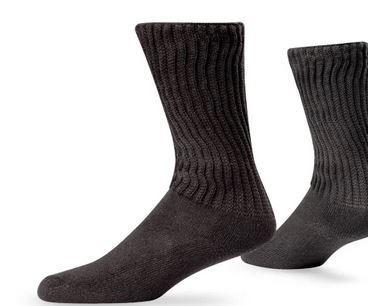
For millions of people living with diabetes, proper foot care isn't just about comfort—it's a critical component of managing their health. Among the various tools and strategies recommended for diabetic foot care, specialized diabetic socks have emerged as an important protective measure. While they may look similar to regular socks at first glance, diabetic socks incorporate specific design features that address the unique challenges faced by people with diabetes. Understanding these differences can help explain why healthcare providers often recommend them as part of a comprehensive diabetes management plan.
The Underlying Need: Why Diabetes Affects the Feet
To appreciate why diabetic socks differ from regular socks, it's essential to understand how diabetes impacts foot health. Diabetes can cause two primary complications that affect the feet: peripheral neuropathy and poor circulation. Peripheral neuropathy is nerve damage that reduces sensation in the feet, making it difficult for people with diabetes to feel injuries, pressure points, or temperature changes. Poor circulation, meanwhile, slows the healing process and increases the risk of infection from even minor wounds. These complications mean that something as seemingly trivial as an ill-fitting sock can lead to serious health consequences, including ulcers, infections, and in severe cases, amputation.
Non-Binding Design: Protecting Circulation
One of the most significant differences between diabetic socks and regular socks lies in their fit around the leg and ankle. Regular socks often feature elastic bands at the top that create a snug fit, leaving visible indentations on the skin. While this tight grip keeps socks in place, it can also restrict blood flow—a particular concern for people with diabetes who already struggle with circulation issues.
Diabetic socks are designed with non-binding tops that stay up without constricting the leg. They use gentler elastic or specially engineered knitting techniques that provide enough tension to prevent slipping without compromising circulation. This seemingly small modification can make a substantial difference in maintaining healthy blood flow to the feet throughout the day.
Seamless Construction: Eliminating Pressure Points
Most regular socks have seams, particularly across the toe area, where different pieces of fabric are joined together. For most people, these seams are barely noticeable. However, for someone with diabetic neuropathy who lacks normal sensation, these raised seams can create pressure points that go unnoticed until they've caused blisters, calluses, or skin breakdown.
Diabetic socks typically feature seamless construction or have seams that are placed strategically and made as flat as possible. Some are knitted in a single continuous piece, eliminating seams entirely. This smooth interior surface reduces friction against the skin and prevents the formation of pressure-related injuries that could become serious complications.
Moisture Management: Creating a Protective Environment
The feet naturally produce moisture throughout the day, and this moisture needs to be managed effectively to maintain skin health. Regular cotton socks tend to absorb moisture and hold it against the skin, creating a damp environment where bacteria and fungi thrive. For people with diabetes, whose compromised immune systems make them more susceptible to infections, this can be particularly dangerous.
Diabetic socks incorporate advanced moisture-wicking materials that pull perspiration away from the skin and allow it to evaporate. Many use specialized synthetic fibers, merino wool, or bamboo blends that maintain a dry environment while still feeling soft and comfortable. Some even include antimicrobial treatments that inhibit bacterial growth. This moisture management not only prevents fungal infections like athlete's foot but also reduces the risk of skin maceration that can lead to ulcers.
Padding and Cushioning: Strategic Protection
While some regular athletic or hiking socks offer cushioning, diabetic socks approach padding with specific therapeutic goals in mind. They provide extra cushioning in high-pressure areas such as the heel and ball of the foot, where people with diabetes are most prone to developing ulcers. This strategic padding helps distribute pressure more evenly across the foot, reducing the stress on any single point.
The cushioning in diabetic socks also serves another purpose: protecting against impact. Since people with neuropathy may not feel when they've stepped on something sharp or bumped their foot, extra padding provides a physical barrier that can prevent minor injuries from occurring in the first place.
Material Considerations: Softness and Stretch
Regular socks come in a wide variety of materials, from basic cotton to synthetic blends, chosen primarily for comfort, durability, or style. Diabetic socks are manufactured with therapeutic-grade materials selected for their gentleness on sensitive skin. They're typically softer and more flexible than standard socks, accommodating foot deformities, swelling, or changes in foot shape that can occur with diabetes.
Many diabetic socks also incorporate some degree of compression—not to be confused with the tight elastic in regular socks. Mild, graduated compression can help improve circulation and reduce swelling without restricting blood flow, offering benefits that go beyond what regular socks provide.
The Practical Reality: When They Matter Most
It's worth noting that not everyone with diabetes needs diabetic socks all the time, and the decision should be made in consultation with healthcare providers. For people with well-controlled diabetes and no complications, regular socks may be perfectly adequate. However, for those with neuropathy, circulation problems, a history of foot ulcers, or deformities, diabetic socks represent an important preventive measure.
The differences between diabetic socks and regular socks reflect a fundamental shift in purpose: from simple comfort and fashion to therapeutic protection. Through non-binding tops, seamless construction, superior moisture management, strategic padding, and carefully selected materials, diabetic socks address the specific vulnerabilities created by diabetes. While they may cost more than regular socks, for many people with diabetes, they're a worthwhile investment in preventing complications that could have serious, even life-threatening consequences. Understanding these differences helps underscore a broader truth about diabetes management: that seemingly small choices in daily care can have profound impacts on long-term health outcomes.
Post Your Ad Here
Comments