Using Splints to Treat Hammer Toe
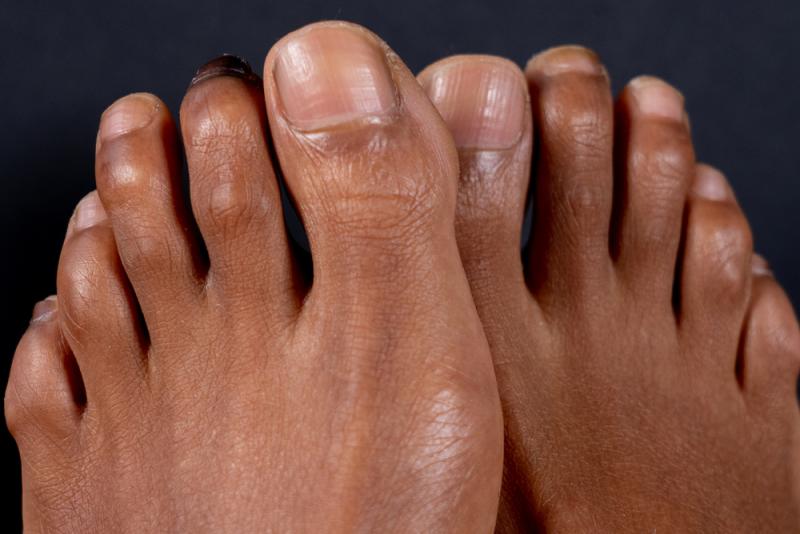
Hammer toe is a common foot deformity that affects millions of people worldwide, causing discomfort, pain, and difficulty with footwear. This condition occurs when one or more of the smaller toes develops an abnormal bend at the middle joint, creating a hammer-like or claw-like appearance. While surgical intervention remains an option for severe cases, conservative treatment methods—particularly the use of splints—have proven effective for many patients, especially when the condition is caught early and the deformity remains flexible.
Understanding Hammer Toe
Before exploring splint therapy, it's essential to understand the nature of hammer toe itself. The condition typically develops gradually, often resulting from an imbalance in the muscles, tendons, and ligaments that normally hold the toe straight. Common contributing factors include wearing ill-fitting shoes, particularly those with narrow toe boxes or high heels, having an unusually high arch or flat foot, arthritis, diabetes, and genetic predisposition. The second toe is most commonly affected, though any of the lesser toes can develop this deformity.
Hammer toe presents in two distinct stages: flexible and rigid. Flexible hammer toe represents the earlier stage, where the affected joint can still be manually straightened. This flexibility makes conservative treatments like splinting particularly effective. As the condition progresses without treatment, the toe may become rigid, with the joint locked in the bent position. At this stage, conservative treatments become less effective, and surgical correction may be necessary.
The Role of Splints in Treatment
Splinting serves as a cornerstone of conservative hammer toe management, particularly for flexible deformities. The primary goal of splint therapy is to gently reposition the affected toe, gradually stretching the contracted tissues and encouraging the joint to return to its natural alignment. By maintaining the toe in a corrected position over extended periods, splints can help reverse mild to moderate deformities and prevent progression to more severe, rigid stages.
Several types of splints are available for hammer toe treatment, each with specific applications and benefits. Toe straightening splints typically wrap around the affected toe and use gentle tension to pull it into proper alignment. These devices often feature adjustable straps or cushioning materials to ensure patient comfort during extended wear. Toe spacers, while technically not splints, work on similar principles by separating the toes and preventing them from overlapping or pressing against each other. Buddy taping, another related technique, involves taping the affected toe to an adjacent healthy toe, using the unaffected toe as a natural splint to guide proper alignment.
Implementing Splint Therapy
Successful splint therapy requires proper application and consistent use. Healthcare providers typically recommend wearing splints for several hours daily, with many patients achieving best results by wearing them overnight when the foot is relaxed and not bearing weight. The duration of treatment varies depending on the severity of the deformity and individual patient factors, but improvement typically requires weeks to months of consistent use.
When beginning splint therapy, patients should start gradually to allow their feet to adjust to the new positioning. Initial wear time might be just an hour or two per day, slowly increasing as tolerance develops. It's normal to experience some mild discomfort as the contracted tissues begin stretching, but sharp pain or excessive pressure indicates improper fit or application and should be addressed immediately with a healthcare provider.
Proper fit is crucial for both effectiveness and safety. A splint that's too tight can restrict circulation, cause pressure sores, or create new problems, while one that's too loose will fail to provide adequate corrective force. Patients should regularly inspect their feet while using splints, watching for signs of skin irritation, discoloration, numbness, or increased pain. Any concerning symptoms warrant immediate consultation with a healthcare professional.
Complementary Treatments
While splints form the foundation of conservative hammer toe treatment, they work best as part of a comprehensive management strategy. Footwear modification plays a critical role—switching to shoes with wider, deeper toe boxes eliminates the cramping that exacerbates hammer toe deformity. Shoes should have adequate arch support and cushioning to reduce pressure on the affected joints.
Stretching exercises complement splint therapy by actively working to restore flexibility to contracted tissues. Toe stretches, where patients manually straighten and flex the affected toes, help maintain joint mobility. Picking up small objects like marbles or towels with the toes strengthens the intrinsic foot muscles and promotes better toe alignment. Physical therapy may be recommended for more structured rehabilitation, combining manual therapy techniques with targeted exercises.
Anti-inflammatory measures help manage pain and swelling associated with hammer toe. Over-the-counter pain relievers, ice application, and padding or cushioning to reduce pressure on the affected joint can all provide symptomatic relief while splint therapy addresses the underlying deformity.
Limitations and Expectations
While splint therapy offers significant benefits, patients should maintain realistic expectations. Splints work best for flexible hammer toes in the early stages of development. Once a deformity becomes rigid, splints can still help manage symptoms and prevent further deterioration, but they're unlikely to fully correct the established deformity. Additionally, splinting addresses the physical positioning of the toe but doesn't eliminate underlying causes—patients must also address contributing factors like improper footwear or biomechanical issues to prevent recurrence.
The timeline for improvement varies considerably among patients. Some individuals notice reduced pain and improved toe position within weeks, while others require months of consistent treatment before seeing significant changes. Patience and compliance with the treatment regimen are essential for success.
Splint therapy represents a valuable, non-invasive approach to managing hammer toe, particularly when implemented early in the condition's development. By gently and consistently encouraging proper toe alignment, splints can reduce pain, improve function, and potentially reverse flexible deformities. When combined with appropriate footwear, exercises, and lifestyle modifications, splinting offers many patients an effective alternative to surgical intervention. However, successful outcomes require proper application, consistent use, and realistic expectations about what conservative treatment can achieve. For individuals experiencing hammer toe symptoms, consulting with a healthcare provider ensures appropriate diagnosis and treatment planning, maximizing the chances of successful conservative management through splinting and complementary therapies.
Post Your Ad Here
Comments