Using Toe Splints to Correct Toe Problems
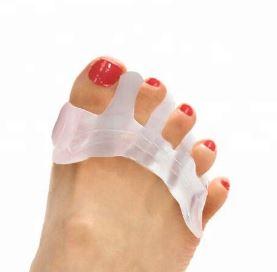
Toe splints are orthopedic devices designed to realign, stabilize, and correct various toe deformities and conditions. These simple yet effective tools have become increasingly popular as non-surgical alternatives for managing common toe problems. Understanding how to properly use toe splints can provide significant relief from pain, prevent progression of deformities, and in some cases, reverse mild to moderate toe misalignments.
Understanding Toe Problems
Before exploring how to use toe splints, it's important to understand the conditions they address. The most common toe problems include hammertoes, which cause toes to bend downward at the middle joint; bunions, characterized by a bony bump at the base of the big toe that forces it to angle inward; overlapping toes, where one toe rests on top of another; and claw toes, which curl downward at both joints. These conditions typically develop from wearing ill-fitting shoes, genetic predisposition, arthritis, injuries, or muscle imbalances in the feet.
Types of Toe Splints
Toe splints come in various designs, each suited for specific conditions. Gel toe separators slip between toes to maintain proper spacing and alignment, making them ideal for preventing toes from overlapping or rubbing together. Toe straighteners typically feature loops that fit around affected toes with a bar or cushion underneath to encourage proper positioning. Bunion splints include a hinged or padded brace that wraps around the foot, gently pulling the big toe back toward its natural alignment. Night splints are more rigid devices worn during sleep to provide extended correction periods when the foot is relaxed. Understanding which type addresses your specific condition is crucial for effective treatment.
Selecting the Right Splint
Choosing an appropriate toe splint requires careful consideration of several factors. First, accurately identify your condition through consultation with a podiatrist or healthcare provider. Different toe problems require different splinting approaches, and using the wrong type may prove ineffective or uncomfortable. Consider the material composition, as splints made from medical-grade silicone, gel, or foam generally offer better comfort and durability than rigid plastic alternatives. Size matters significantly, since splints must fit snugly without cutting off circulation or causing excessive pressure. Many manufacturers provide sizing charts based on shoe size or toe measurements.
Proper Application Techniques
Successfully using toe splints depends largely on correct application. Begin with clean, dry feet to ensure the splint adheres properly and prevents bacterial growth. For gel separators, gently spread your toes and slide the device into place, ensuring each toe sits comfortably in its designated slot. The splint should feel snug but not painful or restricting. When applying straightening splints, position the loops around the affected toes first, then secure any straps or attachments according to manufacturer instructions. Bunion splints typically wrap around the midfoot with a strap or pad positioned against the bunion to apply gentle corrective pressure.
Check your circulation after application by pressing on a toenail until it turns white, then releasing. The color should return within two seconds. If it takes longer, the splint is too tight and needs adjustment. You should be able to wiggle your toes slightly while wearing the device. Never force a splint into position, as excessive pressure can cause nerve damage, reduce blood flow, or create new problems.
Establishing a Wearing Schedule
When beginning toe splint therapy, start gradually to allow your body to adjust. For daytime wear, begin with just one or two hours daily, monitoring for any discomfort, redness, or irritation. If no adverse reactions occur, incrementally increase wearing time by 30 to 60 minutes every few days until reaching the recommended duration. Most experts suggest working up to four to six hours of continuous wear for daytime splints. Night splints often require a similar adjustment period, starting with a few hours before bedtime and eventually wearing throughout the night.
Consistency is more important than duration. Wearing splints regularly for shorter periods typically produces better results than sporadic extended use. Many toe conditions develop over years, so correction requires patient, persistent effort. Most people begin noticing improvements after four to six weeks of consistent use, though significant correction may take several months.
Maximizing Treatment Effectiveness
Toe splinting works best as part of a comprehensive foot care approach. Combine splint use with proper footwear choices, opting for shoes with wide toe boxes, adequate arch support, and low heels. Avoid pointed or narrow shoes that counteract the splint's corrective effects. Incorporate stretching exercises for your toes and feet, such as spreading your toes wide for several seconds, picking up small objects with your toes, or using resistance bands to strengthen foot muscles.
Consider timing your splint wear strategically. Many people find wearing splints during rest periods or sedentary activities most convenient, such as while reading, watching television, or working at a desk. Night splints naturally complement sleep schedules and capitalize on the body's restorative processes during rest.
Maintenance and Hygiene
Proper splint care extends device lifespan and prevents infections. Wash gel and silicone splints daily with mild soap and warm water, rinsing thoroughly and air-drying completely before reuse. Replace splints when they show signs of wear, lose elasticity, or develop tears. Most quality toe splints last three to six months with regular use and proper maintenance.
When to Seek Professional Help
While toe splints effectively address many conditions, some situations require professional intervention. Consult a podiatrist if you experience persistent pain despite splint use, notice increasing deformity, develop skin breakdown or ulceration, or see no improvement after three months of consistent treatment. Severe deformities may ultimately require surgical correction, but even then, splints often play important roles in pre-surgical preparation and post-surgical recovery.
Toe splints offer accessible, affordable, and non-invasive solutions for many common toe problems, empowering individuals to take active roles in their foot health.
Post Your Ad Here
Comments