The Role of Shoe Stiffening Inserts in Managing Foot Pain
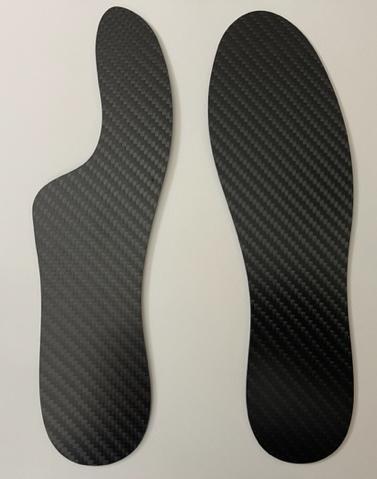
Foot pain affects millions of people worldwide, interfering with daily activities, reducing mobility, and diminishing quality of life. While the causes of foot pain are diverse—ranging from plantar fasciitis and arthritis to structural abnormalities and overuse injuries—one often-overlooked treatment option involves the use of shoe stiffening inserts. These devices, which limit motion in specific parts of the foot, have proven effective for various conditions where excessive movement or flexibility contributes to pain and dysfunction=
Understanding Shoe Stiffening Inserts
Shoe stiffening inserts, sometimes called rigid insoles or orthotic plates, are semi-rigid or rigid devices placed inside footwear to restrict motion at particular joints in the foot. Unlike cushioning inserts that focus primarily on shock absorption, or arch supports that address alignment issues, stiffening inserts work by mechanically limiting range of motion. They're typically made from materials such as carbon fiber, fiberglass, spring steel, or dense thermoplastics, chosen for their ability to resist bending while remaining relatively lightweight.
These inserts can be designed to stiffen the entire foot or target specific areas. Full-length rigid insoles extend from heel to toe, restricting motion throughout the foot's length. Shorter versions, often called Morton's extensions or forefoot extensions, focus on limiting movement at the metatarsophalangeal joints—the connections between the long bones of the foot and the toes. The specific design depends on which anatomical structures need support and which movements should be restricted.
Conditions Benefiting from Stiffening Inserts
Several foot conditions respond particularly well to shoe stiffening interventions. Hallux rigidus, a degenerative arthritis affecting the big toe joint, represents one of the most common applications. This condition causes pain, stiffness, and limited motion when the big toe bends upward during walking. A rigid insert prevents this painful motion, allowing patients to walk more comfortably while the joint is less aggravated by repetitive stress. By offloading the arthritic joint, stiffening inserts can delay or sometimes eliminate the need for surgical intervention.
Metatarsalgia, characterized by pain in the ball of the foot, often improves with stiffening strategies. When metatarsal bones move excessively or bear unequal weight, inflammation and pain develop in the surrounding soft tissues. A rigid forefoot insert redistributes pressure more evenly across the metatarsal heads and limits their motion during push-off, reducing mechanical stress on painful areas.
Turf toe, a sprain of the big toe joint common among athletes, also benefits from temporary stiffening. This injury occurs when the toe is forcefully bent beyond its normal range, damaging ligaments and joint structures. Limiting motion with a rigid insert protects the healing tissues from re-injury while allowing patients to maintain activity levels during recovery.
Midfoot arthritis, whether from osteoarthritis, rheumatoid arthritis, or post-traumatic changes, causes pain when affected joints move under load. Stiffening inserts that span the midfoot can dramatically reduce discomfort by preventing painful motion while preserving the ability to walk. This approach proves especially valuable for people who aren't surgical candidates or who wish to avoid or postpone procedures.
Mechanisms of Pain Relief
Shoe stiffening inserts address foot pain through several complementary mechanisms. The primary effect is motion restriction—by limiting movement at painful joints, the inserts reduce mechanical irritation of inflamed tissues, arthritic surfaces, or injured structures. This protection allows acute injuries to heal and chronic conditions to experience less daily aggravation.
Force redistribution represents another important mechanism. When certain joints are stiffened, the foot's biomechanics change, often spreading weight and pressure across a larger surface area. For example, limiting big toe motion transfers some force that would normally concentrate at the first metatarsophalangeal joint to other structures better able to handle the load. This redistribution can prevent focal overload and its associated pain.
Stiffening inserts also improve efficiency of gait. A foot that moves excessively or collapses during walking requires more muscular effort to stabilize, leading to fatigue and secondary pain. By providing external support, rigid inserts reduce the work muscles must perform, decreasing fatigue-related discomfort in the foot, ankle, and even higher in the leg.
Practical Considerations and Limitations
While shoe stiffening inserts offer significant benefits for appropriate conditions, they're not without limitations. The effectiveness depends heavily on proper fitting and design. Generic inserts may not target the specific joints or foot segments that require stiffening, reducing therapeutic value. Custom-made devices, while more expensive, can be tailored to individual anatomy and pathology, potentially offering superior outcomes.
Footwear compatibility poses another challenge. Rigid inserts require shoes with adequate depth and volume to accommodate them without creating pressure points. Athletic shoes, boots, and some casual footwear work well, but dress shoes—particularly women's fashion footwear—often lack the necessary space. This limitation can reduce compliance and treatment effectiveness.
Adaptation requires time and patience. Initially, stiffening inserts may feel awkward or uncomfortable as the body adjusts to altered foot mechanics. Walking patterns change subtly, and different muscles engage to compensate for restricted motion. Most patients adapt within several weeks, but some never fully adjust to the sensation.
Long-term use raises questions about muscle atrophy and joint stiffness. When motion is chronically restricted, surrounding muscles may weaken from disuse, and joints may lose flexibility. For temporary conditions like turf toe, this isn't problematic—inserts are discontinued once healing occurs. However, for chronic conditions requiring ongoing use, periodic assessment ensures that the benefits continue to outweigh any deconditioning effects.
Shoe stiffening inserts represent a valuable conservative treatment option for various causes of foot pain, particularly conditions where excessive motion contributes to symptoms. By mechanically limiting movement at painful joints, redistributing forces, and improving gait efficiency, these devices can significantly reduce discomfort and improve function. While they require proper fitting, appropriate footwear, and time for adaptation, stiffening inserts offer a non-invasive alternative that may delay or prevent more aggressive interventions. For patients with hallux rigidus, metatarsalgia, turf toe, or midfoot arthritis, these simple devices can make the difference between debilitating pain and comfortable mobility.
Post Your Ad Here
Comments