The Treatment of Bunions
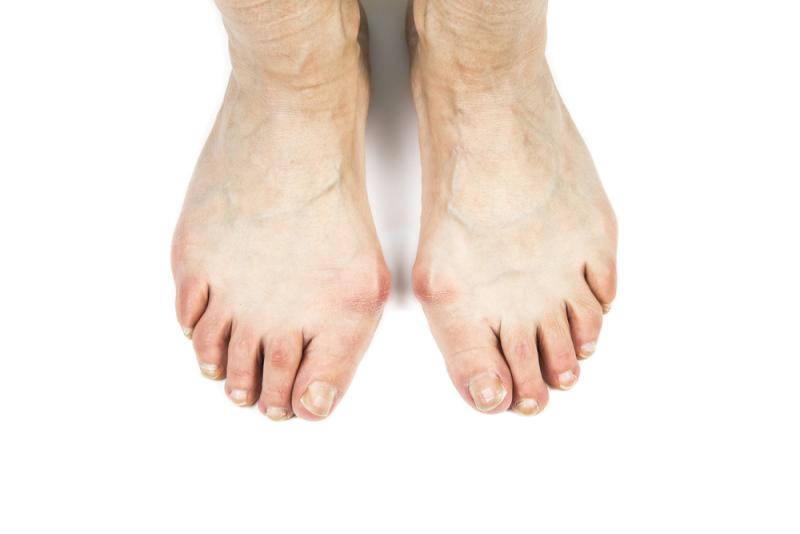
Bunions, medically known as hallux valgus, are one of the most common foot deformities affecting millions of people worldwide. This progressive condition involves a bony bump that forms on the joint at the base of the big toe, causing the toe to deviate toward the smaller toes. While bunions may seem like a minor cosmetic concern, they can lead to significant pain and functional limitations if left untreated. Understanding the various treatment options available is essential for managing this condition effectively and maintaining quality of life.
The development of bunions is multifactorial, involving genetic predisposition, improper footwear, and biomechanical abnormalities. Women are disproportionately affected, partly due to wearing narrow, pointed, or high-heeled shoes that compress the toes. However, heredity plays a crucial role, as bunions often run in families. Certain conditions such as rheumatoid arthritis, gout, and neuromuscular disorders can also contribute to bunion formation. Recognizing the underlying causes helps inform the most appropriate treatment approach for each individual.
Conservative treatment represents the first line of management for most bunions, particularly in early stages or when symptoms are mild to moderate. The primary goals of non-surgical intervention are to relieve pain, slow progression, and improve function. Proper footwear selection is perhaps the most important conservative measure. Patients should choose shoes with a wide toe box, adequate depth, and good arch support. Avoiding high heels and pointed-toe shoes can significantly reduce pressure on the bunion and prevent further deformity. Many people find immediate relief simply by switching to more accommodating footwear.
Orthotic devices play a significant role in conservative bunion management. Custom or over-the-counter shoe inserts can help redistribute pressure across the foot, correct biomechanical imbalances, and provide cushioning to the affected area. Bunion pads or cushions can be placed over the prominence to reduce friction and irritation from shoes. Toe spacers or separators may help maintain proper toe alignment and prevent the big toe from drifting further toward the other toes. While these devices cannot reverse the deformity, they can alleviate symptoms and potentially slow progression.
Physical therapy and specific exercises can strengthen the muscles around the big toe joint and improve flexibility. Range-of-motion exercises help maintain joint mobility, while strengthening exercises target the intrinsic foot muscles. Stretching tight structures, particularly the Achilles tendon and calf muscles, can reduce forces that contribute to bunion progression. Some patients benefit from manual therapy techniques performed by trained physical therapists to improve joint alignment and reduce pain.
Medications provide symptomatic relief for bunion-related discomfort. Non-steroidal anti-inflammatory drugs such as ibuprofen or naproxen can reduce pain and inflammation during acute flare-ups. Topical analgesics may offer localized relief without systemic side effects. In cases of severe inflammation, corticosteroid injections into the bunion area can provide temporary but significant pain reduction, though they do not address the underlying deformity and should be used judiciously.
Ice therapy remains a simple yet effective home remedy for managing bunion pain and swelling. Applying ice packs for fifteen to twenty minutes several times daily can reduce inflammation, particularly after extended periods of standing or walking. Some patients find warm soaks helpful for relaxing tight muscles and improving circulation, though ice is generally preferred for acute inflammation.
When conservative measures fail to provide adequate relief, or when the deformity causes severe pain and functional impairment, surgical intervention may be necessary. Bunion surgery, known as bunionectomy, encompasses various procedures designed to realign the bones, ligaments, and tendons of the big toe. The specific surgical technique depends on the severity of the deformity, the patient's age and activity level, and the presence of arthritis in the joint.
Less severe bunions may be treated with minimally invasive procedures that involve removing the bony prominence and realigning soft tissues. Moderate deformities often require osteotomy, where the bone is cut and repositioned to correct the alignment. Severe bunions with significant joint damage may necessitate arthrodesis, a fusion procedure that eliminates joint motion but provides stability and pain relief. In some cases, joint replacement may be considered, particularly in older patients with advanced arthritis.
Recovery from bunion surgery varies depending on the procedure performed. Most patients can expect several weeks to months of healing, with restrictions on weight-bearing and activities. Physical therapy often plays an important role in post-operative rehabilitation, helping restore strength, flexibility, and normal gait patterns. While surgical outcomes are generally favorable, with most patients experiencing significant pain relief and improved function, complications can occur, including infection, nerve damage, recurrence of the deformity, or transfer of pressure to other areas of the foot.
Prevention and early intervention remain the best strategies for managing bunions. Wearing properly fitted shoes from an early age, maintaining a healthy weight to reduce stress on the feet, and addressing biomechanical issues promptly can help prevent bunion formation or slow progression. Regular foot examinations, particularly for those with a family history of bunions, allow for early detection and timely intervention.
The treatment of bunions requires a personalized, multifaceted approach tailored to each patient's specific circumstances. Conservative measures should always be exhausted before considering surgery, as many people can manage their symptoms effectively without invasive procedures. However, when conservative treatment fails and quality of life is significantly impaired, surgical correction offers excellent results for most patients. Working closely with healthcare providers, including podiatrists, orthopedic surgeons, and physical therapists, ensures comprehensive care and optimal outcomes for this common but manageable foot condition.
Post Your Ad Here
Comments