Why People with Diabetes Should Wear Special Diabetic Socks
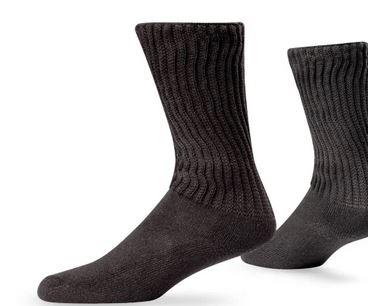
Diabetes affects millions of people worldwide, creating a complex web of health challenges that extend far beyond blood sugar management. Among the many complications that arise from this chronic condition, foot health stands out as particularly critical yet often overlooked. For individuals living with diabetes, something as seemingly simple as their choice of socks can make a profound difference in preventing serious complications, maintaining comfort, and preserving their quality of life. Diabetic socks, specifically designed to address the unique needs of diabetic feet, represent an essential component of comprehensive diabetes care.
The fundamental reason diabetic socks are so important lies in understanding how diabetes affects the feet. High blood sugar levels over time can cause significant nerve damage, a condition known as peripheral neuropathy. This nerve damage diminishes sensation in the feet, making it difficult or impossible for people with diabetes to feel minor injuries, blisters, or pressure points that would immediately alert someone without diabetes to a problem. Additionally, diabetes impairs circulation, reducing blood flow to the extremities. This combination of reduced sensation and poor circulation creates a dangerous scenario where small foot injuries can go unnoticed and unhealed, potentially progressing into serious infections or ulcers.
Traditional socks, while perfectly adequate for people without diabetes, can actually contribute to foot problems in diabetic individuals. Standard socks often have tight elastic bands around the top that restrict circulation, seams that can create pressure points and friction, and materials that trap moisture against the skin. For someone with diabetes, these seemingly minor issues can have major consequences. A tight elastic band can further compromise already poor circulation. A seam rubbing against the skin can create a blister that goes unnoticed due to neuropathy. Moisture trapped by non-breathable fabric can create an environment where fungal infections thrive.
Diabetic socks are engineered to address these specific concerns. One of their most important features is the absence of restrictive elastic bands. Instead, these socks use non-binding tops that stay up without constricting the leg or ankle, allowing for optimal blood flow to the feet. This improved circulation is crucial for healing and maintaining healthy tissue. Many diabetic socks also feature seamless construction or have seams positioned away from pressure points, eliminating the friction that can lead to blisters and sores. This smooth interior surface protects vulnerable diabetic feet from unnecessary irritation.
Moisture management represents another critical feature of quality diabetic socks. These specialized socks typically use advanced moisture-wicking materials that pull perspiration away from the skin, keeping feet dry throughout the day. Maintaining dry feet is essential for preventing fungal infections like athlete's foot, which can be particularly dangerous for people with diabetes. A fungal infection that might be a minor nuisance for someone else can become a serious medical issue for a diabetic patient whose immune system may already be compromised and whose wounds heal more slowly.
The padding in diabetic socks serves multiple protective purposes. Extra cushioning in high-pressure areas like the heel and ball of the foot helps distribute weight more evenly, reducing the risk of developing pressure ulcers. This padding also provides shock absorption during walking, protecting feet from impact-related injuries. Some diabetic socks include additional arch support, which can help with overall foot stability and comfort, particularly important for individuals whose proprioception may be affected by neuropathy.
Temperature regulation is another often-overlooked benefit of diabetic socks. Many are designed with materials that help maintain an appropriate foot temperature, preventing both excessive heat and cold. For people with diabetes who may have impaired temperature sensation in their feet, this regulation helps prevent burns from hot surfaces or frostbite from cold exposure—injuries they might not feel occurring.
The antimicrobial properties found in many diabetic socks provide an additional layer of protection. These treatments help prevent bacterial growth, reducing odor and, more importantly, decreasing the risk of infections. Given that infections in diabetic feet can escalate rapidly and may even lead to amputation in severe cases, any measure that reduces infection risk is valuable.
Beyond the medical benefits, diabetic socks contribute significantly to overall quality of life. The enhanced comfort they provide can make daily activities more enjoyable and less painful. For individuals dealing with the constant challenges of diabetes management, this improved comfort represents one area where they can experience tangible relief. The peace of mind that comes from knowing they're taking proactive steps to protect their feet can also reduce anxiety about potential complications.
It's worth noting that not all diabetic socks are created equal. People with diabetes should look for socks that are specifically designed for diabetic feet, bearing appropriate labels and certifications. Consulting with a healthcare provider, podiatrist, or certified diabetes educator can help individuals select the most appropriate socks for their specific needs, as different people may require different features based on their particular complications and lifestyle.
The cost of diabetic socks may initially seem higher than regular socks, but this investment pales in comparison to the potential costs of treating foot ulcers, infections, or worse complications. Medicare and many insurance plans recognize this value and often provide coverage for diabetic socks when prescribed by a physician, acknowledging their role in preventive care.
Diabetic socks are far more than a luxury or marketing gimmick—they are a legitimate medical intervention that addresses the specific vulnerabilities of diabetic feet. By promoting circulation, preventing injury, managing moisture, and providing comfort, these specialized socks serve as a frontline defense against the serious foot complications that too often accompany diabetes. For anyone living with diabetes, incorporating proper diabetic socks into their daily routine represents a simple yet powerful way to protect their health and maintain their independence. When it comes to diabetes management, attention to every detail matters, and the choice of socks is one detail that can make a genuine difference.
Post Your Ad Here
Comments