Choosing the Right Socks for Cold Feet and Chilblains
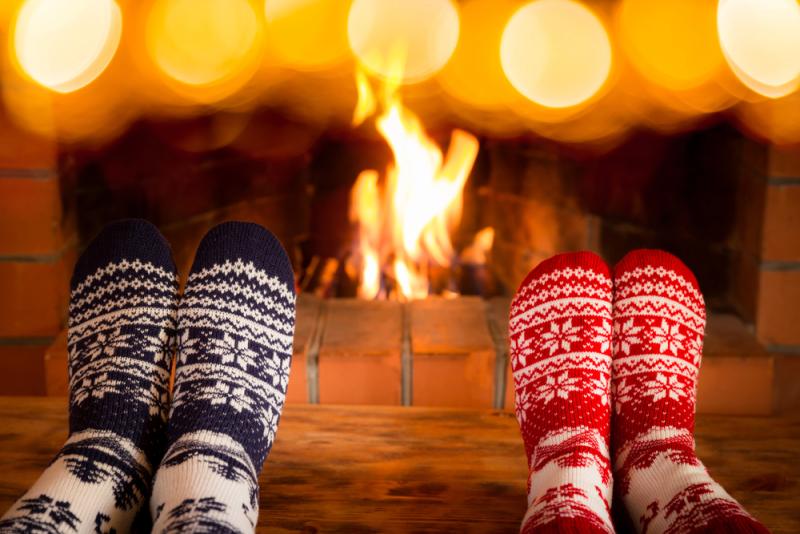
Cold feet are more than just an uncomfortable inconvenience—for many people, they're a persistent problem that can lead to chilblains, a painful condition that affects the small blood vessels in the skin. When temperatures drop, selecting appropriate socks becomes not merely a matter of comfort but a crucial preventive health measure. Understanding the relationship between proper foot insulation and circulation can make the difference between healthy, warm feet and the red, itchy, swollen patches characteristic of chilblains.
Chilblains, also known as pernio, develop when skin is exposed to cold temperatures and then rewarmed too quickly. This causes the small blood vessels under the skin to expand faster than the nearby larger vessels can handle, leading to blood leakage into surrounding tissues. The resulting inflammation produces burning, itching sensations and discoloration that can persist for weeks. While chilblains typically affect the toes, they can also appear on fingers, nose, and ears. People with poor circulation, those living in damp climates, and individuals with low body weight or certain autoimmune conditions face higher risk. The key to prevention lies in maintaining consistent warmth and avoiding rapid temperature changes—goals that proper sock selection can substantially support.
The material composition of your socks represents the most critical factor in managing cold feet. Merino wool stands out as the gold standard for thermal foot protection. Unlike synthetic materials or cotton, merino wool possesses unique properties that make it ideal for preventing chilblains. Its crimped fibers trap air efficiently, creating insulating pockets that maintain warmth even when moisture is present. This moisture-wicking capability proves essential because damp feet lose heat rapidly, increasing chilblain risk. Merino wool can absorb up to thirty percent of its weight in moisture while still feeling dry to the touch, pulling perspiration away from skin and allowing it to evaporate externally. Additionally, merino wool regulates temperature naturally, preventing overheating that might cause sweating followed by chilling—the temperature fluctuation cycle that triggers chilblains.
For those seeking alternatives to wool, perhaps due to allergies or personal preference, synthetic materials like polypropylene or specialized acrylic blends can provide adequate protection. These engineered fibers wick moisture effectively and dry quickly, though they generally lack wool's superior temperature regulation. Bamboo fiber represents another natural option, offering softness and reasonable insulation, though it doesn't match wool's performance in cold, damp conditions. What you should categorically avoid is cotton socks in cold weather. Cotton absorbs moisture readily but releases it slowly, keeping feet damp and cold for extended periods—a recipe for chilblain development.
Sock thickness and construction method significantly influence thermal protection. Cushioned socks with terry-loop construction on the interior provide enhanced insulation by increasing the volume of trapped air around your feet. However, thickness must be balanced against fit—socks so thick they make shoes tight can restrict circulation, paradoxically increasing chilblain risk despite added insulation. Compression should be gentle and consistent rather than binding. Look for socks with non-restrictive cuffs that won't dig into your calves and impede blood flow. Some specialized thermal socks feature graduated compression designed to promote circulation, which can be beneficial for people prone to cold feet.
Layering represents an advanced strategy for extreme cold or for individuals particularly susceptible to chilblains. This approach involves wearing a thin, moisture-wicking liner sock beneath a thicker insulating outer sock. The liner pulls moisture away from skin to the outer layer, where greater surface area facilitates evaporation. This system maintains dryness more effectively than a single thick sock while providing superior insulation. When layering, ensure the liner is smooth and wrinkle-free, as bunching can create pressure points that restrict circulation and cause discomfort.
Sock height deserves consideration beyond mere style preference. Crew-length or knee-high socks provide additional leg insulation, which helps maintain core body temperature and consequently supports better circulation to the extremities. Since the body prioritizes keeping vital organs warm, maintaining overall warmth helps ensure adequate blood flow reaches your feet. Conversely, ankle socks offer minimal protection and expose lower legs to cold, potentially compromising circulation.
Special features can enhance sock performance for cold-weather protection. Some thermal socks incorporate silver threads or antimicrobial treatments that prevent bacterial growth, particularly important since layers of warm socks can create environments conducive to foot problems if worn for extended periods. Seamless toe construction eliminates pressure points and reduces friction that might damage skin already vulnerable due to cold exposure. Reinforced heels and toes increase durability without necessarily adding bulk.
Beyond selecting appropriate socks, complementary practices enhance chilblain prevention. Never warm cold feet rapidly by placing them near heaters, in hot water, or under electric blankets—gradual warming is essential. Keep indoor temperatures moderate and consistent rather than alternating between very cold and very warm environments. If your feet do get cold, warm them gradually through gentle movement, room-temperature environments, and perhaps lukewarm (never hot) water. Stay active to promote circulation, and avoid tight footwear that restricts blood flow. If you're prone to chilblains, consider keeping feet covered even indoors during cold weather, wearing your quality socks with loose, comfortable slippers.
Proper sock care extends their effective lifespan and maintains their protective properties. Wash thermal socks according to manufacturer instructions, typically using gentle cycles and avoiding fabric softeners that can coat fibers and reduce moisture-wicking ability. Air-drying preserves elasticity and structure better than machine drying at high heat.
Investing in quality socks specifically designed for cold-weather protection pays dividends through improved comfort, foot health, and chilblain prevention. While premium merino wool or technical synthetic socks cost more initially than basic cotton varieties, their superior performance and durability make them cost-effective over time. For individuals prone to cold feet or chilblains, appropriate socks aren't a luxury but a health necessity that can prevent painful conditions and maintain quality of life throughout winter months.
Post Your Ad Here
Comments