How to Permanently Fix Cracked Skin Around the Heels
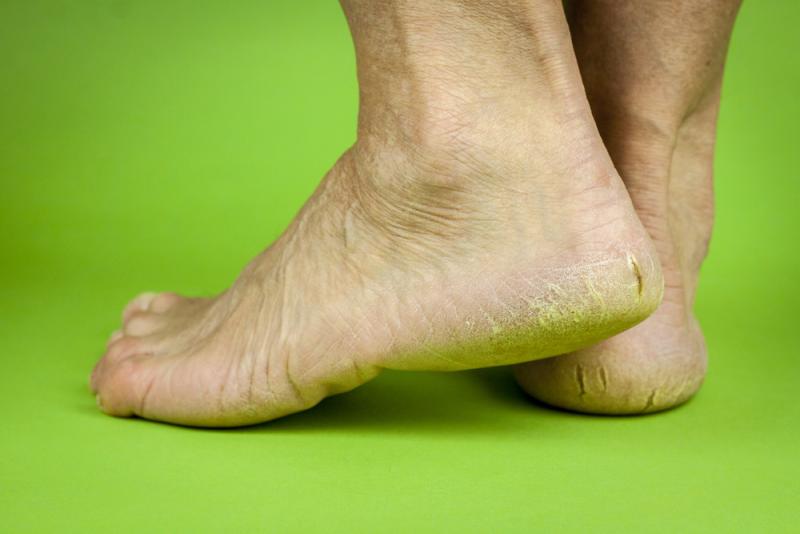
Cracked heels are more than just a cosmetic concern. For many people, they represent a persistent problem that causes discomfort, pain, and even embarrassment. The skin around the heels can become so dry and damaged that it develops deep fissures, which may bleed and become infected if left untreated. While quick fixes and temporary solutions abound, achieving a permanent resolution requires understanding the underlying causes and implementing a comprehensive, sustained approach to foot care.
The primary cause of cracked heels is excessive dryness, which occurs when the skin loses moisture faster than it can be replenished. Unlike other parts of the body, the skin on our feet lacks oil glands, making it naturally predisposed to dryness. When the thick skin around the heels becomes dehydrated, it loses its flexibility and elasticity. As we walk and put pressure on our feet, this inflexible skin cannot stretch adequately, causing it to crack and split. Additional factors that contribute to this condition include prolonged standing, walking barefoot on hard surfaces, wearing open-backed shoes, obesity, diabetes, thyroid disorders, and certain skin conditions like eczema or psoriasis.
The foundation of permanently fixing cracked heels lies in establishing a consistent and comprehensive foot care routine. This begins with regular exfoliation to remove dead, hardened skin that accumulates on the heels. Two to three times per week, soak your feet in warm water for ten to fifteen minutes to soften the skin. Adding Epsom salt or a mild soap to the water can enhance the softening effect. After soaking, use a pumice stone or foot file to gently remove the thickened, dead skin. The key word here is gently—aggressive scrubbing can actually cause more harm by triggering the skin to produce even thicker layers as a protective response. Work in circular motions and avoid filing wet skin too vigorously, as this can lead to over-exfoliation and potential injury.
Following exfoliation, thorough moisturization becomes essential. The best time to moisturize is immediately after bathing or soaking, when the skin is still slightly damp and most receptive to absorbing products. Choose a thick, emollient-rich moisturizer specifically formulated for feet, or opt for products containing ingredients like urea, salicylic acid, alpha-hydroxy acids, shea butter, or glycerin. These components work by either drawing moisture into the skin or helping to break down the proteins that hold dead skin cells together. Apply the moisturizer liberally to your heels and the entire foot, then put on cotton socks to lock in the moisture. For severe cases, consider performing this intensive treatment nightly before bed, essentially giving your feet an overnight moisture treatment.
Hydration from within plays an equally important role in maintaining healthy skin. Drinking adequate water throughout the day helps keep all your skin, including your feet, properly hydrated from the inside out. While topical treatments address the external symptoms, internal hydration supports the skin's natural ability to maintain its moisture barrier. Aim for at least eight glasses of water daily, and more if you're physically active or live in a dry climate.
Your choice of footwear significantly impacts heel health. Open-backed shoes, flip-flops, and sandals allow the fat pad under the heel to expand sideways, increasing the likelihood of cracking. Instead, wear shoes that provide proper support and have a closed back to hold the heel in place. Ensure your shoes fit properly—too tight or too loose can both cause problems. If you must wear open-backed shoes, apply a thick moisturizer beforehand and try to limit the duration. For those who work in environments requiring prolonged standing, invest in cushioned insoles or heel cups to provide additional support and reduce pressure on the heels.
Addressing any underlying medical conditions is crucial for achieving permanent results. If you have diabetes, thyroid problems, or skin conditions, work with your healthcare provider to manage these issues effectively, as they can significantly impact skin health. Diabetes, in particular, can reduce circulation to the feet and impair healing, making professional medical care essential. Similarly, nutritional deficiencies in vitamins A, C, E, and essential fatty acids can contribute to dry skin, so consider whether your diet provides adequate nutrition or if supplementation might be beneficial.
For severely cracked heels with deep fissures, home remedies alone may not suffice. A podiatrist can provide professional treatment, including debridement of thickened skin, prescription-strength moisturizers, and advice tailored to your specific situation. They can also identify and address any biomechanical issues with your gait that might be contributing to excessive pressure on your heels. In some cases, they may recommend special strapping techniques to hold together deep cracks while they heal, or prescribe medicated creams to treat infections if they've developed.
Natural remedies can complement your routine, though they should not replace proven treatments. Coconut oil, honey, and petroleum jelly are all effective moisturizers. Some people find success with overnight treatments using these natural products under socks. Apple cider vinegar soaks may help soften skin due to their mild acidity, while oils like olive or almond oil can provide deep nourishment.
The key to permanent resolution is consistency and patience. Severely cracked heels didn't develop overnight, and they won't heal overnight either. Commit to your foot care routine daily, even after you see improvement. Many people make the mistake of abandoning their regimen once their heels look better, only to have the problem return. Instead, view foot care as an ongoing practice similar to brushing your teeth—a necessary part of personal hygiene rather than a temporary fix.
Prevention is ultimately easier than treatment. Once you've healed your cracked heels, maintain them through regular moisturization, appropriate footwear, gentle exfoliation, and attention to your overall health. By addressing both the symptoms and underlying causes with dedication and consistency, you can achieve and maintain smooth, healthy heels permanently.
Post Your Ad Here
Comments