Improving Shock Absorption Under the Foot
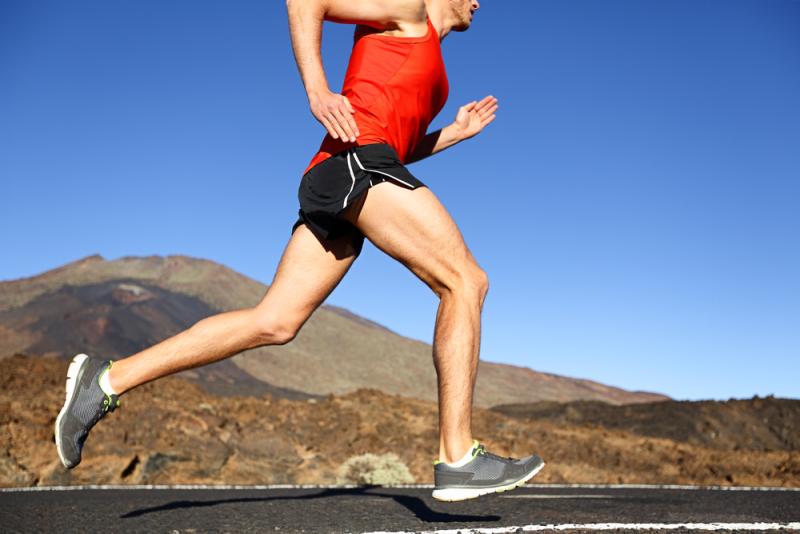
The human foot endures tremendous forces during daily activities. With each step, impact forces reaching two to three times body weight surge through the skeletal structure, while running can generate forces exceeding five times body weight. Given that the average person takes between 4,000 and 6,000 steps daily, the cumulative stress on feet is substantial. Poor shock absorption can lead to a cascade of problems, from plantar fasciitis and stress fractures to knee pain and lower back issues. Fortunately, multiple strategies exist to enhance the foot's natural shock-absorbing capabilities and reduce injury risk.
The foot itself is an engineering marvel designed for shock absorption. Its 26 bones, 33 joints, and intricate network of muscles, tendons, and ligaments work together to dissipate impact forces. The plantar fat pad beneath the heel acts as a natural cushion, while the arch functions as a spring-loading mechanism. However, modern lifestyles, aging, and various pathologies can compromise these natural systems, necessitating interventions to restore or enhance shock absorption.Footwear Selection and Technology
The most immediate and accessible method for improving shock absorption is appropriate footwear. Modern running and walking shoes incorporate various technologies specifically designed to attenuate impact forces. Midsole materials have evolved considerably, with companies developing proprietary foams that offer superior energy return and cushioning. EVA (ethylene-vinyl acetate) foam remains popular due to its lightweight properties and shock-absorbing capacity, while newer materials like polyurethane and advanced polymers provide enhanced durability and responsiveness.
Maximalist shoes, featuring extra-thick midsoles, have gained popularity among runners seeking maximum cushioning. Research suggests these shoes can reduce peak impact forces, though the biomechanical trade-offs remain debated. Conversely, some evidence supports minimalist footwear for strengthening intrinsic foot muscles, which may improve the foot's natural shock absorption over time. The key lies in matching footwear to individual biomechanics, activity level, and specific needs rather than following trends blindly.
Shoe selection should also consider the heel-to-toe drop, the difference in height between the heel and forefoot. A higher drop may benefit heel strikers, while a lower drop encourages midfoot or forefoot striking patterns that may distribute forces more effectively. Additionally, the outsole material and tread pattern influence shock absorption, with softer rubber compounds providing better impact attenuation at the cost of durability.
Orthotic Interventions
Custom and over-the-counter orthotics represent another powerful tool for enhancing shock absorption. These devices can redistribute plantar pressures, support the arch, and incorporate shock-absorbing materials in strategic locations. Soft orthotics made from materials like EVA, silicone, or gel excel at shock absorption and are particularly useful for individuals with arthritis, diabetic neuropathy, or plantar fat pad atrophy.
Heel cups and cushions specifically target the heel, where impact forces concentrate during heel-strike walking and running. These simple inserts can significantly reduce peak pressures and have proven effective in managing plantar fasciitis and heel pain. More sophisticated orthotics may combine rigid support structures with shock-absorbing layers, providing both biomechanical correction and impact protection.
Strengthening and Conditioning
The foot's intrinsic muscles play a crucial role in shock absorption, yet modern footwear and flat surfaces allow these muscles to weaken. Targeted exercises can rebuild strength and improve the foot's natural shock-absorbing capacity. Toe curls, marble pickups, and short foot exercises strengthen the small muscles that support the arch and control foot motion during impact.
The plantar fascia and Achilles tendon also contribute to shock absorption through their elastic properties. Eccentric exercises, where muscles lengthen under tension, can enhance these structures' ability to store and release energy. Calf raises performed slowly during the lowering phase strengthen the Achilles tendon and improve its shock-absorbing function. Similarly, controlled toe walking and heel walking exercises can improve overall foot and ankle strength.
Proprioceptive training on unstable surfaces activates stabilizing muscles and improves the foot's ability to adapt to varying impact forces. Balance board exercises, single-leg stands, and barefoot walking on sand or grass challenge the foot's sensory systems and promote adaptive responses that enhance shock absorption.
Surface Considerations
The surfaces we walk and run on dramatically affect the forces transmitted through the foot. Concrete and asphalt, the predominant surfaces in urban environments, offer minimal shock absorption and amplify impact forces. Whenever possible, choosing softer surfaces like grass, dirt trails, or rubberized tracks can reduce stress on the feet and lower extremities.
For those who cannot avoid hard surfaces, anti-fatigue mats in standing work environments can significantly reduce cumulative stress. These mats, made from foam, gel, or rubber, encourage subtle movements and provide cushioning that protects feet during prolonged standing.
Body Weight and Biomechanics
Reducing excess body weight directly decreases the forces experienced by the feet. Even modest weight loss can substantially reduce peak plantar pressures and associated pain. Combined with appropriate footwear and strengthening exercises, weight management represents a foundational approach to protecting the feet.
Gait retraining may also improve shock absorption by altering impact patterns. Transitioning from heel striking to midfoot or forefoot striking can reduce peak impact forces, though this change requires gradual adaptation and professional guidance to avoid injury. Similarly, increasing cadence (steps per minute) while running has been shown to reduce vertical loading rates and may decrease injury risk.
Improving shock absorption under the foot requires a multifaceted approach tailored to individual needs and circumstances. Appropriate footwear forms the foundation, but complementary strategies including orthotics, strengthening exercises, surface selection, and biomechanical modifications can significantly enhance protection against repetitive impact forces. As our understanding of foot biomechanics continues to evolve, new technologies and interventions will undoubtedly emerge. However, the fundamental principle remains constant: protecting the feet from excessive forces prevents a cascade of problems throughout the kinetic chain, preserving mobility and quality of life for years to come.

Post Your Ad Here
Comments