Do Bunion Correctors Work? A Critical Examination
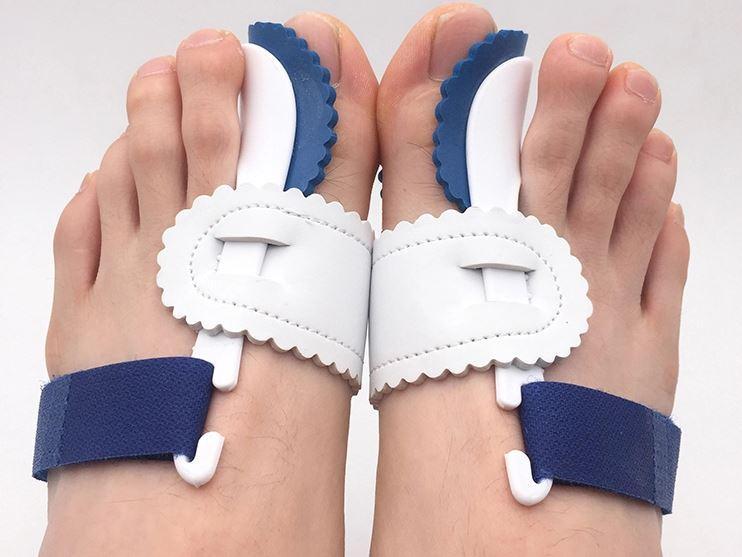
Bunions, medically known as hallux valgus, affect millions of people worldwide, causing pain, discomfort, and difficulty finding properly fitting shoes. As this common foot deformity becomes increasingly prevalent, particularly among women, the market has flooded with bunion correctors promising to realign the big toe and eliminate the painful bony bump without surgery. But do these devices actually work, or are they simply offering false hope to desperate sufferers
Understanding Bunions
Before evaluating the effectiveness of bunion correctors, it's essential to understand what bunions are and how they develop. A bunion forms when the big toe pushes against the second toe, forcing the joint of the big toe to protrude outward. Over time, the metatarsophalangeal (MTP) joint becomes enlarged and painful, creating the characteristic bump on the side of the foot.
Bunions develop gradually due to various factors including genetics, improper footwear, foot injuries, and certain medical conditions like arthritis. The condition involves not just soft tissue displacement but actual bone misalignment and structural changes to the joint. This fundamental fact is crucial when considering whether external corrective devices can reverse the deformity.
Types of Bunion Correctors
The bunion corrector market offers several types of devices, each claiming to address the problem differently. Toe spacers wedge between the big toe and second toe to create separation. Splints and braces hold the big toe in a straightened position, often used during sleep. Sleeves and pads provide cushioning and mild corrective pressure. Some products combine multiple features, offering both separation and stabilization.
These devices range from simple foam wedges costing a few dollars to sophisticated hinged splints priced at fifty dollars or more. Despite the variety and price differences, they all share a common promise: to correct the bunion deformity and alleviate pain without invasive surgery.
The Evidence: What Research Shows
The scientific evidence regarding bunion correctors presents a nuanced picture that often contradicts marketing claims. Multiple studies have examined the effectiveness of these devices, and the consensus among podiatrists and orthopedic specialists is sobering: bunion correctors cannot permanently reverse or correct the structural bone deformity that characterizes bunions.
Research published in orthopedic journals demonstrates that while some patients experience temporary symptom relief when using bunion correctors, the devices do not alter the underlying bone structure or stop progression of the deformity. Once a bunion has formed, the bone has shifted position, and no external splint or spacer can permanently reposition bone without surgical intervention.
A critical limitation of these devices is biomechanics. When you stand, walk, or bear weight on your feet, the forces involved far exceed what any external brace can counteract. Your body weight, combined with the mechanics of walking, creates pressures that override the gentle repositioning pressure from correctors. This explains why any temporary improvement disappears once the device is removed and normal activities resume.
Potential Benefits: Pain Management and Progression
Despite their inability to cure bunions, correctors may offer legitimate benefits for some users. Many people report reduced pain when wearing these devices, particularly at night when pressure on the joint is minimized. The cushioning and spacing provided can decrease friction and inflammation, making daily activities more comfortable.
Some evidence suggests that bunion correctors might slow progression in very early-stage bunions, though this remains controversial. By encouraging better toe alignment during rest periods and reducing pressure on the joint, these devices could potentially delay worsening of mild deformities. However, this doesn't constitute correction or reversal of existing bunions.
Bunion correctors may also serve as useful pain management tools for people who aren't ready for surgery or whose medical conditions make surgery inadvisable. When combined with proper footwear, orthotic inserts, and anti-inflammatory measures, these devices can be part of a comprehensive conservative treatment approach.
Realistic Expectations and Alternatives
Anyone considering bunion correctors should maintain realistic expectations. These devices won't eliminate bunions, won't permanently straighten the toe, and won't reverse bone changes that have already occurred. What they might do is provide temporary comfort, slightly slow progression, and serve as part of a broader pain management strategy.
For effective bunion management without surgery, podiatrists recommend several evidence-based approaches. Wearing shoes with wide toe boxes and avoiding high heels reduces pressure on the joint. Custom orthotic inserts can redistribute weight and improve foot mechanics. Physical therapy exercises strengthen surrounding muscles and improve flexibility. Anti-inflammatory medications manage pain during flare-ups.
When conservative measures fail and bunions cause significant pain or interfere with daily activities, surgical correction remains the only definitive treatment. Modern bunion surgery has evolved considerably, with various procedures available depending on deformity severity. While surgery involves recovery time and potential risks, it's the only method proven to permanently correct the structural problem.
The Bottom Line
Bunion correctors occupy a complicated space between medical device and wishful thinking. They cannot deliver on their implicit promise to correct bunions, which would require reversing actual bone misalignment. The structural nature of bunions, combined with the biomechanical forces constantly acting on feet, makes external correction through braces or spacers impossible.
However, dismissing these devices entirely would be unfair. For symptom management, temporary relief, and possibly slowing progression in early cases, bunion correctors may provide value. The key is approaching them with appropriate expectations: they're tools for managing a chronic condition, not cures for a structural deformity.
If you're considering bunion correctors, consult with a podiatrist first to understand your specific situation and develop a comprehensive treatment plan. Understanding what these devices can and cannot do empowers you to make informed decisions about managing your bunion pain while avoiding the disappointment of expecting miracles from products that, while potentially helpful, cannot reverse bone deformities through external pressure alone.
Post Your Ad Here
Comments