The Foot File: An Essential Tool for Managing Hard Skin on the Feet
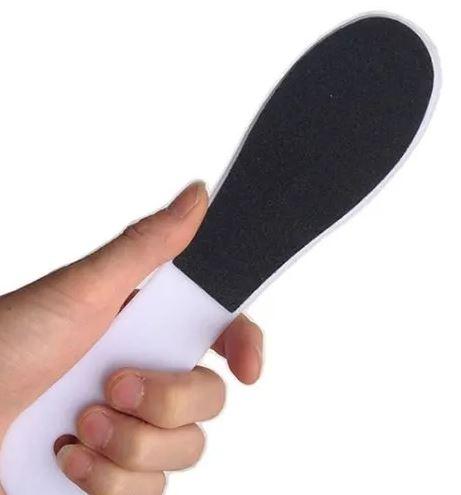
Hard, thickened skin on the feet is a common condition that affects millions of people worldwide. This buildup of dead skin cells, medically known as hyperkeratosis or calluses, typically develops on pressure points such as the heels, balls of the feet, and sides of the toes. While often painless in its early stages, untreated hard skin can become uncomfortable, unsightly, and in severe cases, even painful or prone to cracking. Among the various tools available for managing this condition at home, the foot file has emerged as one of the most effective, accessible, and user-friendly options for maintaining smooth, healthy feet.
Understanding Hard Skin Formation
Before exploring the use of foot files, it's important to understand why hard skin develops. The feet bear the entire weight of our bodies and endure constant friction from walking, running, and standing. In response to this repeated pressure and friction, the skin naturally thickens as a protective mechanism. While this is a normal physiological response, the accumulation can become excessive, particularly in individuals who spend long hours on their feet, wear ill-fitting shoes, walk barefoot frequently, or have naturally dry skin. Factors such as age, obesity, and certain medical conditions like diabetes can also contribute to increased callus formation.
What Is a Foot File?
A foot file is a handheld grooming tool specifically designed to remove dead, hardened skin from the feet through gentle abrasion. These files typically feature a flat or slightly curved surface covered with an abrasive material, similar to sandpaper but specifically calibrated for use on skin. The most common types include metal files with perforated or etched surfaces, and files covered with emery boards or ceramic grit. The abrasive surface may be coarse on one side for removing thick calluses and finer on the other for smoothing and finishing. Modern foot files come in various designs, from traditional paddle-shaped versions to ergonomic models with comfortable grips and even electric rotating versions for those seeking more automated care.
The Benefits of Using a Foot File
Regular use of a foot file offers numerous benefits beyond mere aesthetics. Removing hard skin helps prevent the development of painful cracks or fissures, particularly on the heels, which can become entry points for infection. Smooth feet are more comfortable in shoes and less likely to snag on socks or bedding. Additionally, addressing calluses early prevents them from growing thicker and more difficult to manage over time. For many people, the simple act of foot care provides a sense of wellbeing and self-care that extends beyond the physical benefits. Maintaining soft, healthy feet can boost confidence, particularly during warmer months when feet are more visible in sandals and open-toed shoes.
Proper Technique for Using a Foot File
The effectiveness and safety of a foot file depend largely on proper technique. The ideal time to use a foot file is after bathing or soaking the feet, when the skin is softened but not overly saturated. Feet should be soaked in warm water for approximately ten to fifteen minutes to achieve the right level of softness. Adding Epsom salts or a mild soap can enhance the soaking experience and further soften the skin.
Once the feet are prepared, they should be patted dry, leaving them slightly damp. Working on one foot at a time, the file should be held at a slight angle and moved in one direction across the hardened areas using gentle, even strokes. It's crucial to avoid aggressive scrubbing or back-and-forth sawing motions, which can irritate the skin or remove too much tissue. The process should be gradual, with regular pauses to feel the skin and assess progress. The goal is not to remove all hardened skin in a single session, but rather to reduce it gradually over multiple treatments.
After filing, the feet should be rinsed to remove loosened skin particles, thoroughly dried, and immediately moisturized with a rich cream or lotion. This locks in hydration and helps prevent the rapid reformation of hard skin. For enhanced results, wearing cotton socks after moisturizing helps the cream penetrate more effectively.
Safety Considerations and Precautions
While foot files are generally safe for home use, certain precautions are essential. Over-filing can damage healthy skin, leading to soreness, tenderness, or even open wounds. It's important to stop if any discomfort, redness, or bleeding occurs. Individuals with diabetes, poor circulation, or neuropathy should consult healthcare providers before using foot files, as reduced sensation can prevent them from noticing injury, and compromised healing can lead to serious complications.
Hygiene is paramount when using foot files. The tool should be cleaned after each use with soap and water, allowed to dry completely, and stored in a clean, dry place. Metal files can be disinfected with rubbing alcohol. Files should never be shared between individuals to prevent the spread of fungal infections or other conditions. Additionally, disposable files should be replaced regularly, and permanent files should be inspected for wear and replaced when the abrasive surface becomes smooth or damaged.
Integrating Foot Files into a Comprehensive Foot Care Routine
A foot file is most effective when used as part of a broader foot care regimen. Regular filing—typically once or twice weekly for maintenance—prevents excessive buildup. Between filing sessions, daily moisturizing keeps skin supple and less prone to thickening. Wearing properly fitted shoes, using cushioned insoles, and alternating footwear helps reduce pressure points that contribute to callus formation. During summer months, protecting feet with sunscreen and limiting barefoot walking on rough surfaces helps maintain healthy skin.
The humble foot file represents a simple yet powerful tool in the pursuit of healthy, comfortable feet. By understanding the causes of hard skin, mastering proper filing technique, observing necessary safety precautions, and incorporating regular filing into a comprehensive foot care routine, individuals can effectively manage calluses and maintain smooth, attractive feet. While professional podiatric care may be necessary for severe cases or individuals with specific health conditions, for most people, the foot file offers an accessible, cost-effective solution for this common concern. With patience, consistency, and proper technique, anyone can achieve and maintain the soft, healthy feet they deserve.
Post Your Ad Here
Comments