The Essential Role of Arch Supports in Foot Health and Function
The human foot is a remarkable piece of evolutionary engineering, containing 26 bones, 33 joints, and over 100 muscles, tendons, and ligaments working in concert to support our body weight and enable bipedal locomotion. At the heart of this complex structure lies the arch, a curved formation that serves as the foundation for how we stand, walk, and run. When this natural architecture requires assistance, arch supports become invaluable tools for maintaining foot health, alleviating pain, and enhancing overall quality of life.
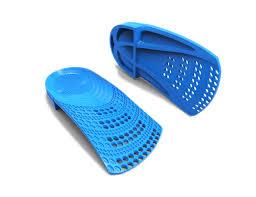
Arch supports, also known as arch inserts or orthotic insoles, are devices designed to provide additional support to the longitudinal arch of the foot. The foot actually contains three arches: the medial longitudinal arch (the prominent inner arch), the lateral longitudinal arch (the outer arch), and the transverse arch (running across the width of the foot). These arches function as natural shock absorbers, distributing body weight and the impact forces generated during movement. They also provide the springy elasticity that makes human gait efficient and allows us to adapt to uneven terrain.
The primary purpose of arch supports is to maintain proper foot alignment and biomechanics when the natural arch structure is compromised or insufficient. Flat feet, or fallen arches, represent one of the most common conditions requiring arch support intervention. In this condition, the medial arch collapses toward the ground, causing the entire sole of the foot to make contact with the floor. This misalignment can trigger a cascade of biomechanical problems throughout the lower body. When arches collapse, feet tend to roll inward excessively during walking, a motion called overpronation. This altered gait pattern can strain muscles and tendons in the feet and ankles, and may contribute to knee, hip, and even lower back pain.
Conversely, people with abnormally high arches also benefit from arch supports, though their needs differ. High arches, or pes cavus, result in inadequate shock absorption because less of the foot contacts the ground. This concentrates pressure on the heel and ball of the foot, potentially causing discomfort and increasing injury risk. Arch supports for high arches typically include cushioning to distribute pressure more evenly and prevent excessive stress on specific foot regions.
Plantar fasciitis, one of the most prevalent causes of heel pain, represents another major application for arch supports. The plantar fascia is a thick band of tissue running along the bottom of the foot from the heel to the toes, and it plays a crucial role in maintaining the arch structure. When this tissue becomes inflamed due to overuse, improper footwear, or biomechanical issues, it causes stabbing pain typically felt with the first steps in the morning. Arch supports help treat plantar fasciitis by reducing strain on the plantar fascia, supporting the arch to prevent excessive stretching and micro-tearing of the tissue during movement.
Athletes and active individuals frequently use arch supports to enhance performance and prevent injuries. Running, jumping, and lateral movements place tremendous stress on the feet, and proper arch support can improve shock absorption, stability, and energy return during athletic activities. Many professional athletes customize their footwear with specialized orthotic inserts tailored to their sport's specific demands and their individual biomechanical needs.
People who spend long hours standing at work—nurses, teachers, retail workers, and factory employees—often find arch supports essential for preventing foot fatigue and discomfort. Standing for extended periods on hard surfaces can stress foot structures, and proper support helps maintain the arch's shock-absorbing function throughout the workday. This can reduce end-of-day foot pain and may prevent the development of chronic conditions resulting from prolonged standing.
Arch supports also play an important role in managing certain systemic conditions affecting the feet. Diabetes, for instance, can cause peripheral neuropathy, reducing sensation in the feet and increasing the risk of unnoticed injuries. Proper arch support helps distribute pressure evenly, reducing hotspots that could develop into dangerous ulcers. Similarly, people with arthritis in their feet may find that arch supports reduce joint stress and provide cushioning that makes walking more comfortable.
The effectiveness of arch supports depends significantly on proper fitting and selection. Over-the-counter inserts available at pharmacies and sporting goods stores work well for many people with mild to moderate arch issues. These come in various arch heights and materials, from firm plastic to cushioned gel. However, individuals with more severe biomechanical problems or complex foot conditions often benefit from custom orthotics prescribed by podiatrists or orthopedic specialists. These custom devices are molded to the individual's foot anatomy and can address specific imbalances or deformities.
Modern arch supports incorporate advanced materials and design principles. Some feature rigid plastics or carbon fiber for maximum support and motion control, while others use softer materials like EVA foam or memory foam for cushioning and comfort. Some designs include metatarsal pads to support the transverse arch or heel cups to improve stability. The choice depends on the individual's condition, activity level, and footwear.
It's worth noting that arch supports work best as part of a comprehensive approach to foot health. Proper footwear with adequate room for the toes, appropriate heel height, and good construction provides the foundation for effective arch support. Strengthening exercises for the foot and ankle muscles can improve natural arch function over time, potentially reducing dependence on external supports.
Arch supports serve multiple vital functions in maintaining foot health and overall musculoskeletal wellness. They correct biomechanical imbalances, alleviate pain from various conditions, prevent injuries, and improve comfort during daily activities. Whether addressing flat feet, high arches, plantar fasciitis, or simply providing support for demanding occupations, these devices represent an accessible and effective intervention for millions of people seeking to keep their feet healthy and pain-free.
Post Your Ad Here
Comments