Healing Cracked Heels: A Guide to Treatment Tools and Methods
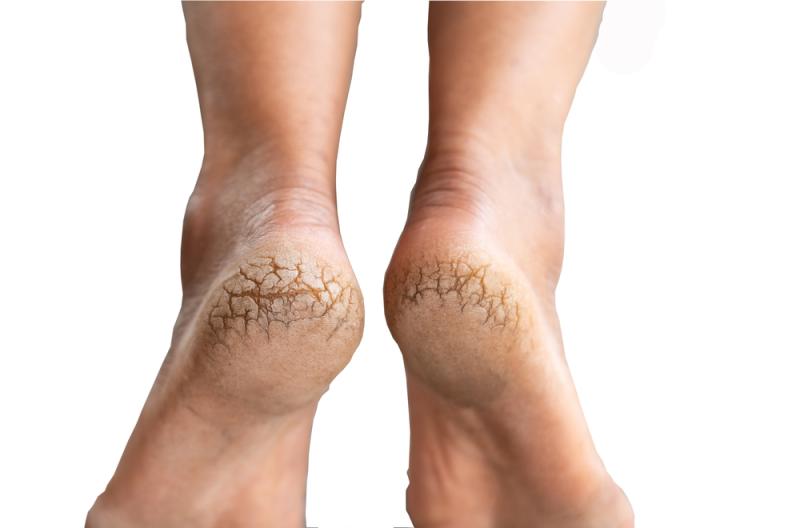
Cracked heels are a common dermatological concern that affects millions of people worldwide, causing discomfort, pain, and sometimes embarrassment. Also known as heel fissures, these splits in the skin occur when the thick, dry skin around the heel becomes so dehydrated that it loses its elasticity and begins to crack under pressure. While often dismissed as merely a cosmetic issue, severely cracked heels can lead to infections and significant pain that interferes with daily activities. Fortunately, a wide array of tools and treatments exists to address this condition effectively, ranging from simple home remedies to specialized medical devices.
The foundation of treating cracked heels lies in understanding the underlying causes. The skin on our heels naturally contains fewer oil glands than other parts of the body, making it prone to dryness. When combined with factors like prolonged standing, walking barefoot, wearing open-backed shoes, obesity, or certain medical conditions such as diabetes and thyroid disease, the risk of developing heel fissures increases substantially. Addressing cracked heels requires a multi-faceted approach that involves exfoliation, intense moisturization, and protective measures.
Exfoliation tools form the first line of defense in heel care. The pumice stone remains one of the most traditional and effective implements for removing dead, hardened skin. This porous volcanic rock gently abrades the thickened skin when used on damp feet, typically after soaking. The key to using a pumice stone effectively lies in gentle, consistent application rather than aggressive scrubbing, which can damage healthy skin and worsen the problem. An alternative to pumice stones is the foot grinder, which comes in various forms including metal files with fine graters and emery board-style files. These tools offer more controlled exfoliation and can reach specific problem areas more precisely than pumice stones.
Electric callus grinders have gained popularity in recent years, offering a powered solution for removing dead skin. These battery-operated or rechargeable devices feature rotating heads with abrasive surfaces that efficiently buff away hardened skin. Many models include multiple attachment heads with varying coarseness levels, allowing users to customize their treatment intensity. While electric removers work quickly and require less physical effort than manual tools, they demand careful use to avoid over-exfoliation, which can leave skin vulnerable and raw.
For those seeking professional-grade results at home, foot peeling masks have emerged as an innovative solution. These chemical exfoliant treatments contain alpha hydroxy acids (AHAs) or beta hydroxy acids (BHAs) that dissolve dead skin cells without mechanical scrubbing. Users wear the mask-like booties for a specified period, then over the following week, dead skin gradually peels away to reveal softer skin underneath. While dramatic in their effects, these masks should be used sparingly and not on severely cracked or bleeding heels.
Once exfoliation has removed the dead skin barrier, intensive moisturization becomes crucial. While not a tool in the traditional sense, the right moisturizing products applied with proper technique can transform heel health. Thick, emollient creams containing urea, salicylic acid, alpha-hydroxy acids, or shea butter work by drawing moisture into the skin and creating a protective barrier. Urea-based creams are particularly effective, as urea acts as both a humectant and a keratolytic agent, simultaneously hydrating skin and breaking down hardened tissue.
To maximize the effectiveness of moisturizers, heel balm applicators and silicone heel socks serve as valuable tools. Silicone gel heel sleeves fit over the foot like a sock, creating an occlusive barrier that locks in moisture while providing cushioning. These sleeves work excellently when worn overnight with a thick layer of moisturizer underneath, essentially creating a mini spa treatment while you sleep. Some versions include openings for toes and straps for secure fitting, making them comfortable for extended wear.
Foot spas and soaking basins represent another category of helpful tools. While a simple basin of warm water suffices for softening skin before exfoliation, dedicated foot spas offer additional benefits through features like bubbling massage, heat maintenance, and sometimes built-in rollers for stimulation. Soaking feet in warm water for ten to fifteen minutes before treatment softens the hardened skin, making exfoliation more effective and less abrasive. Adding Epsom salts or essential oils to foot soaks can provide additional therapeutic benefits.
For severe cases of cracked heels, medical-grade tools and treatments become necessary. Heel balm applicators with prescription-strength ingredients containing higher concentrations of urea (up to 40%) or lactic acid require medical supervision but deliver powerful results. Liquid bandages and crack sealants serve as temporary tools for protecting deep fissures while they heal, creating a flexible, protective coating that keeps bacteria out and prevents the crack from widening with movement.
Preventive tools also play an important role in long-term heel health. Heel cups and cushions provide shock absorption and pressure distribution, reducing the force that contributes to skin cracking. These inserts fit inside shoes and are particularly beneficial for people who spend long hours standing or walking. Additionally, specialized heel repair balms designed for daily maintenance help sustain the improvements achieved through intensive treatment.
The systematic approach to healing cracked heels involves regular use of these tools in combination. A typical weekly routine might include soaking feet two to three times, followed by gentle exfoliation with a pumice stone or foot file, then immediate application of a thick moisturizer sealed in with silicone socks overnight. Consistency proves more important than intensity; gentle daily care yields better results than sporadic aggressive treatment.
Understanding when to seek professional help remains important. Podiatrists can debride severely thickened skin safely, prescribe stronger treatments, and identify underlying conditions contributing to the problem. Diabetics especially should consult healthcare providers before undertaking aggressive foot care, as their reduced sensation and healing capacity create higher risks of complications.
Healing cracked heels requires patience, consistency, and the right combination of tools. From traditional pumice stones to modern electric callus removers, from intensive moisturizers to protective silicone sleeves, each tool serves a specific purpose in the journey toward healthier, smoother heels. By understanding how to use these implements effectively and establishing a regular care routine, anyone can transform dry, cracked heels into soft, comfortable skin that supports them comfortably through their daily activities.
Post Your Ad Here
Comments