The Silicone Gel Heel Protector: A Look at Function, Benefits, and Applications
The human heel, despite its robust structure, remains surprisingly vulnerable to a variety of conditions that can cause discomfort, pain, and reduced mobility. From pressure ulcers in bedridden patients to the friction-induced blisters experienced by athletes, heel-related problems affect millions of people worldwide. Enter the silicone gel heel protector—a simple yet remarkably effective device that has become an essential tool in both medical and everyday settings. This essay explores the multifaceted uses of silicone gel heel protectors, examining their design principles, therapeutic applications, and the science behind their effectiveness.
Understanding the Design
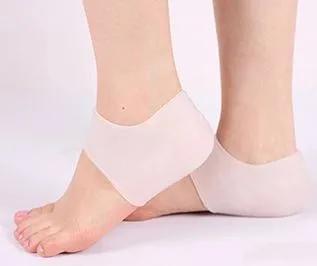
Silicone gel heel protectors are typically sleeve-like devices made from medical-grade silicone that slip over the heel and surrounding foot area. The material itself is key to the product's effectiveness. Medical-grade silicone possesses several properties that make it ideal for this application: it is hypoallergenic, breathable, durable, and capable of providing both cushioning and compression. The gel component within the silicone matrix creates a soft, pliable barrier that conforms to the unique contours of each individual's heel.
Most heel protectors feature a horseshoe or cup-shaped gel pad positioned precisely where the heel bone makes contact with external surfaces. This strategic placement ensures maximum protection at the point of highest pressure. The sleeve design allows the protector to stay securely in place without the need for adhesives or straps, which could themselves cause irritation or restrict circulation.
Medical Applications
In healthcare settings, silicone gel heel protectors serve critical functions in wound prevention and management. Pressure ulcers, also known as bedsores or decubitus ulcers, represent a significant concern for patients with limited mobility. The heel is one of the most common sites for these ulcers to develop, second only to the sacral region. When a patient remains in one position for extended periods, the sustained pressure on the heel reduces blood flow to the tissue, potentially leading to tissue breakdown and ulcer formation.
Heel protectors address this problem through pressure redistribution. By cushioning the heel and spreading the load over a larger surface area, these devices reduce the concentrated pressure on bony prominences. The gel component absorbs and dissipates forces that would otherwise be transmitted directly to the skin and underlying tissue. Studies have demonstrated that consistent use of heel protectors can significantly reduce the incidence of heel pressure ulcers in at-risk populations, including elderly patients, those recovering from surgery, and individuals with diabetes or circulatory problems.
Beyond pressure ulcer prevention, heel protectors aid in the management of existing heel wounds. By creating a protective barrier, they shield damaged tissue from further trauma while maintaining an environment conducive to healing. The silicone material's moisture-wicking properties help prevent maceration—the softening and breakdown of skin due to prolonged moisture exposure—which can impede the healing process.
Athletic and Active Use
Athletes and physically active individuals face different but equally challenging heel problems. Runners, hikers, and dancers frequently experience heel blisters, caused by repetitive friction between the heel and footwear. While traditional solutions like adhesive bandages or moleskin provide some protection, they often shift or lose adhesion during extended activity. Silicone gel heel protectors offer superior performance in these scenarios.
The cushioning effect of gel protectors absorbs impact forces during high-intensity activities like running and jumping. This shock absorption can help prevent or alleviate conditions such as heel spurs, plantar fasciitis, and Achilles tendonitis. By reducing the repetitive stress on the heel's connective tissues, these protectors allow athletes to train more consistently and comfortably.
Additionally, the anti-friction properties of silicone help prevent the hot spots and blisters that plague many active individuals. The smooth surface of the gel creates a slip plane that allows some movement between the heel and the protector, rather than between the heel and the shoe, significantly reducing the shearing forces that cause blisters.
Everyday Comfort and Foot Conditions
Beyond medical and athletic applications, silicone gel heel protectors address various everyday foot concerns. People who spend long hours standing—such as retail workers, nurses, teachers, and factory employees—often experience heel pain and fatigue. Heel protectors provide additional cushioning that can make prolonged standing more tolerable.
Individuals with specific foot conditions benefit substantially from these devices. Those with cracked heels, a common condition caused by dry skin and pressure, find that silicone heel protectors help retain moisture and protect the affected area while cracks heal. The occlusive properties of silicone create a micro-environment that supports skin repair. Some heel protectors are infused with moisturizing agents like vitamin E or mineral oil, which gradually release into the skin, accelerating the healing of dry, cracked heels.
People with heel pain syndrome or fat pad atrophy—a condition where the natural cushioning pad under the heel thins with age—rely on gel protectors to supplement their diminished natural padding. This artificial cushioning can restore comfort and function that would otherwise be lost.
Considerations and Proper Use
While silicone gel heel protectors offer numerous benefits, proper selection and use are essential for optimal results. Users should ensure the protector fits snugly without being overly tight, as excessive compression can restrict circulation. The devices should be cleaned regularly according to manufacturer instructions to maintain hygiene and material integrity.
It is important to note that heel protectors are not suitable for all situations. Individuals with open wounds should consult healthcare providers before use, and those with known silicone allergies should seek alternative materials. In medical settings, heel protectors should be part of a comprehensive pressure ulcer prevention strategy that includes regular repositioning and skin assessment.
The silicone gel heel protector represents a convergence of material science, biomechanics, and practical design that addresses a wide range of heel-related problems. From preventing pressure ulcers in vulnerable patients to enhancing athletic performance and providing everyday comfort, these devices have earned their place as valuable tools in healthcare, sports, and daily life. Their effectiveness lies in the unique properties of medical-grade silicone gel, which provides cushioning, pressure redistribution, and protection in a comfortable, reusable format. As our understanding of foot biomechanics and material science continues to advance, we can expect further innovations in heel protection technology, but the fundamental principles embodied in today's silicone gel heel protectors will likely remain relevant for years to come.
Post Your Ad Here
Comments