The Rise of Bunion Correctors: Understanding Their Use and Effectiveness
Bunions, medically known as hallux valgus, affect millions of people worldwide, causing not only cosmetic concerns but also significant pain and mobility issues. As this common foot deformity continues to plague individuals across age groups, bunion correctors have emerged as a popular non-surgical intervention. These devices, available in various forms and designs, promise relief and correction without the need for invasive procedures. Understanding their use, effectiveness, and limitations is essential for anyone considering this treatment option.
A bunion develops when the big toe progressively angles toward the second toe, causing the metatarsophalangeal joint at the base of the big toe to protrude outward. This creates the characteristic bony bump that defines a bunion. The condition often results from a combination of genetic predisposition, improper footwear, foot structure abnormalities, and biomechanical issues. Women are disproportionately affected, largely due to the historical and ongoing use of narrow, high-heeled shoes that compress the toes and alter natural foot mechanics.
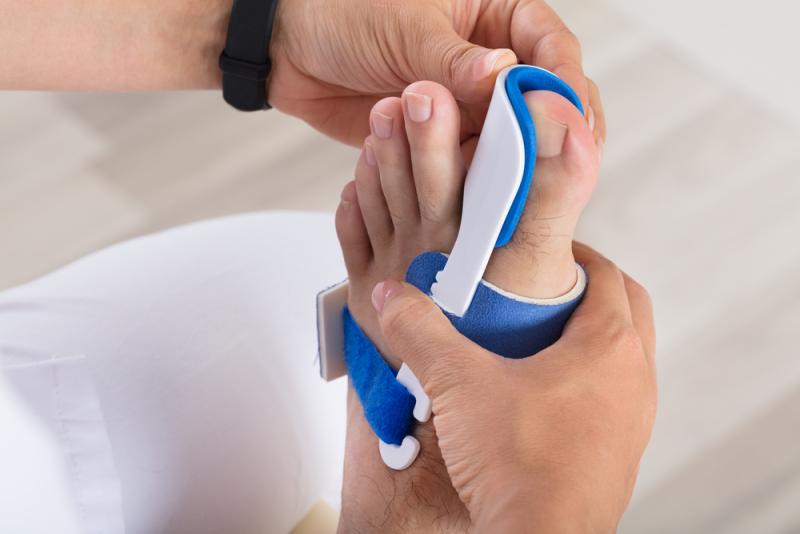
Bunion correctors come in several varieties, each designed with specific mechanisms and usage patterns. Splints and braces represent the most rigid category, typically featuring adjustable hinges and straps that hold the big toe in proper alignment. These devices are generally worn at night when the foot is at rest, allowing for sustained correction pressure without interfering with daily activities. Toe spacers and separators offer a gentler approach, fitting between the toes to gradually encourage proper spacing and alignment. These can often be worn during the day with appropriately sized footwear. Sleeves and pads provide cushioning and mild corrective pressure while protecting the bunion from friction against shoes. Finally, orthotic insoles work indirectly by addressing biomechanical issues that may contribute to bunion formation or progression.
The proposed mechanism behind bunion correctors is straightforward in theory: by applying consistent pressure to realign the big toe, these devices aim to reverse or halt the progression of the deformity. Proponents argue that consistent use, particularly in the early stages of bunion development, can reshape the soft tissues around the joint, reduce inflammation, and prevent further deterioration. The corrective pressure theoretically encourages the joint capsule and ligaments to adapt to a more natural position over time.
However, the reality of bunion corrector effectiveness is more nuanced than marketing claims might suggest. Research on these devices presents mixed results, with many studies indicating that while bunion correctors can provide symptomatic relief, their ability to permanently correct the structural deformity is limited. The bony changes and joint misalignment that characterize established bunions cannot be reversed through external pressure alone. The skeletal structure, once significantly altered, requires surgical intervention to truly correct.
Despite these limitations, bunion correctors do offer legitimate benefits for many users. Pain reduction stands as the most consistently reported positive outcome. By reducing pressure on the bunion, preventing toe overlap, and improving weight distribution across the foot, these devices can significantly decrease daily discomfort. Many users report reduced inflammation and irritation, particularly when using protective sleeves that cushion the bunion from shoe friction. For individuals with mild to moderate bunions, correctors may slow progression, though this effect requires consistent, long-term use.
The psychological benefit of taking proactive action should not be underestimated either. For individuals who dread surgical intervention or cannot afford it, bunion correctors provide a sense of agency and hope. This psychological relief, combined with actual pain reduction, can meaningfully improve quality of life.
Optimal use of bunion correctors requires realistic expectations and proper application. These devices work best when implemented early in bunion development, before significant skeletal changes have occurred. Consistency is crucial; sporadic use yields minimal results. Most experts recommend wearing rigid splints for several hours nightly, while softer spacers might be worn throughout the day. Combining correctors with other interventions enhances effectiveness. Proper footwear with adequate toe box space, exercises to strengthen foot muscles, weight management, and anti-inflammatory measures all complement corrector use.
Certain individuals should approach bunion correctors with particular caution or avoid them entirely. Those with severe bunions causing significant functional impairment likely need surgical evaluation rather than relying on correctors. People with diabetes, circulatory problems, or neuropathy should consult healthcare providers before using any device that applies pressure to the feet, as they may not detect excessive pressure or developing wounds. Individuals experiencing severe pain, signs of infection, or rapidly progressing deformity should seek professional medical evaluation promptly.
The bunion corrector market has exploded in recent years, with countless products making bold claims about correction and cure. Consumers should approach these claims critically, recognizing that no external device can reverse established bony deformities. Reading reviews, consulting podiatrists, and starting with less expensive options can help individuals find appropriate solutions without wasting money on ineffective products.
Looking forward, bunion correctors occupy an important but limited space in bunion management. They serve best as part of a comprehensive conservative approach for mild to moderate bunions, focusing primarily on symptom management and potentially slowing progression. For many patients, they bridge the gap between doing nothing and pursuing surgery, providing comfort and functionality during that interim period.
Bunion correctors represent a valuable tool in the non-surgical management of hallux valgus, though they are not the miracle cure that marketing might suggest. Their greatest strength lies in providing pain relief, reducing inflammation, and potentially slowing progression when used consistently and early. Users must maintain realistic expectations, understanding that true structural correction of established bunions requires surgical intervention. When combined with proper footwear, targeted exercises, and other conservative measures, bunion correctors can meaningfully improve comfort and foot function for many individuals suffering from this common condition.

Post Your Ad Here
Comments