The Therapeutic Applications of Urea Cream in Dermatological Care
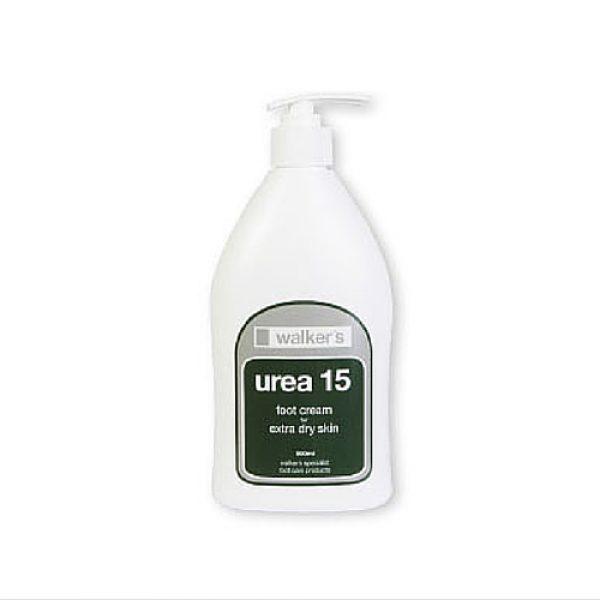
Urea cream has established itself as a versatile and effective therapeutic agent in dermatology, offering solutions for numerous skin conditions that affect millions of people worldwide. This naturally occurring compound, which was first synthesized in 1828 by Friedrich Wöhler, has found its place as a staple ingredient in modern skincare formulations. Understanding the multifaceted uses of urea cream provides insight into why dermatologists and skincare professionals continue to recommend it for a wide array of skin concerns.
At its core, urea is a humectant and keratolytic agent that occurs naturally in the skin as part of the natural moisturizing factor. In topical formulations, urea concentrations typically range from 2% to 40%, with different concentrations serving distinct therapeutic purposes. Lower concentrations, between 2% and 10%, primarily function as moisturizers, while higher concentrations of 20% to 40% provide more aggressive exfoliating and penetration-enhancing properties. This concentration-dependent versatility makes urea cream adaptable to various dermatological needs.
The primary mechanism of action that makes urea cream so valuable is its ability to attract and retain moisture in the skin. As a humectant, urea draws water from the deeper layers of the skin and from the surrounding environment, binding it to the stratum corneum, the outermost layer of the epidermis. This hydration process is crucial for maintaining skin barrier function and preventing the cascade of problems that arise from dehydrated skin. Additionally, urea demonstrates keratolytic properties at higher concentrations, meaning it can break down the protein bonds that hold dead skin cells together, facilitating their removal and promoting skin renewal.
One of the most common applications of urea cream is in the treatment of xerosis, or dry skin. This condition affects people of all ages and can result from environmental factors, aging, or underlying medical conditions. Urea cream provides relief by replenishing moisture levels and restoring the skin's natural barrier function. Patients with xerosis often experience itching, flaking, and tightness, all of which improve significantly with regular application of urea-based moisturizers. The cream's ability to penetrate deeply into the skin makes it particularly effective for severe dryness that doesn't respond to conventional moisturizers.
Individuals suffering from ichthyosis, a group of genetic disorders characterized by dry, thickened, scaly skin, benefit substantially from urea cream therapy. The condition results from abnormal skin cell production or shedding, leading to accumulation of scales. Higher concentration urea creams, typically 10% to 40%, help soften and remove these scales while simultaneously moisturizing the underlying skin. Regular use can dramatically improve the appearance and comfort of affected skin, though treatment must be maintained consistently as ichthyosis is a chronic condition.
Psoriasis patients also find relief with urea cream, particularly for managing the thick, scaly plaques characteristic of this inflammatory condition. While urea doesn't address the underlying immune dysfunction that causes psoriasis, it serves as an excellent adjunct therapy. The keratolytic action helps remove scales, allowing other prescribed medications to penetrate more effectively. Furthermore, the moisturizing properties reduce the itching and discomfort associated with psoriatic lesions. Many dermatologists recommend urea cream as part of a comprehensive psoriasis management plan.
Keratosis pilaris, commonly known as "chicken skin," responds well to urea cream treatment. This benign condition causes small, rough bumps on the skin, typically on the upper arms, thighs, and buttocks, resulting from keratin buildup in hair follicles. Urea cream's exfoliating properties help clear these keratin plugs while moisturizing the skin, leading to smoother texture and improved appearance. Consistent application, usually twice daily, yields the best results for this stubborn condition.
The feet, which endure significant daily stress and commonly develop thick, calloused skin, represent another area where urea cream proves invaluable. Podiatrists frequently recommend urea cream concentrations of 20% to 40% for treating calluses, corns, and cracked heels. The cream softens hardened skin, making it easier to remove mechanically and preventing the painful fissures that can develop in severely dry heels. Athletes and individuals who spend long hours on their feet particularly benefit from incorporating urea cream into their foot care routine.
Eczema and atopic dermatitis management often includes urea cream as a maintenance therapy. While acute flares may require prescription medications, urea cream helps maintain skin hydration between episodes, potentially reducing flare frequency and severity. The cream's ability to strengthen the skin barrier is particularly important for eczema patients, whose compromised barrier function contributes to their condition. Many patients find that regular use of urea cream reduces their dependence on stronger medications.
Elderly individuals, whose skin naturally becomes drier and more fragile with age, benefit from the gentle yet effective moisturizing properties of lower concentration urea creams. Age-related changes in skin structure reduce natural moisturizing factor content, making supplementation through topical urea cream particularly appropriate. Regular use can improve skin texture, reduce itching, and help prevent complications like skin tears and infections that occur more readily in dry, compromised elderly skin.
Despite its many benefits, urea cream should be used appropriately. Higher concentrations may cause stinging or burning sensations, particularly on sensitive or broken skin. Starting with lower concentrations and gradually increasing as tolerated is often recommended. Application to open wounds or severely inflamed skin should be avoided unless specifically directed by a healthcare provider.
Urea cream represents a scientifically validated, cost-effective solution for numerous dermatological conditions. Its dual action as both humectant and keratolytic agent, combined with its excellent safety profile, explains its enduring popularity in dermatological care. From common dry skin to chronic conditions like psoriasis and ichthyosis, urea cream continues to provide relief and improve quality of life for countless individuals dealing with skin concerns.

Post Your Ad Here
Comments