Toe Foams: Versatile Solutions for Common Toe Disorders
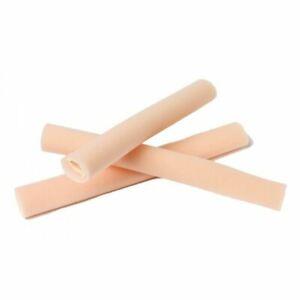
The toes, despite their relatively small size, play a crucial role in balance, gait mechanics, and overall foot function. When toe problems develop—whether from structural deformities, pressure injuries, or biomechanical abnormalities—they can significantly impact mobility, comfort, and quality of life. Among the numerous conservative treatment options available, toe foams have emerged as versatile, accessible, and effective tools for managing a wide array of toe-related conditions. These simple devices, available in various shapes, sizes, and densities, offer cushioning, protection, alignment, and pain relief without the need for invasive interventions. Understanding the applications, benefits, and proper use of toe foams can empower individuals to address their toe problems effectively and prevent future complications.
What Are Toe Foams?
Toe foams encompass a broad category of foam-based products designed to address specific toe problems. These devices are typically manufactured from medical-grade polyurethane foam, silicone-infused foam, or other soft, compressible materials that provide cushioning while maintaining their shape under pressure. The foam density varies depending on the intended application—softer foams offer maximum comfort and gentle cushioning, while firmer foams provide more substantial support and alignment correction.
Common types of toe foams include toe caps and sleeves that encase individual toes, toe separators and spacers that fit between adjacent toes, toe crests and hammertoe cushions that support the underside of bent toes, and various specialized designs targeting specific conditions. Many toe foams feature a tubular or sleeve design that slides over the affected toe, while others are wedge-shaped or cylindrical pieces positioned strategically to address particular problems.
The popularity of toe foams stems from their numerous advantages: they are inexpensive and widely available, easy to use without professional fitting in most cases, non-invasive and removable at any time, washable and reusable for extended periods, and compatible with most types of footwear when properly sized.
Applications for Specific Toe Conditions
Hammertoes and Claw Toes
Hammertoes, characterized by abnormal bending at the proximal interphalangeal joint, and claw toes, which involve contractures at multiple toe joints, represent some of the most common indications for toe foam use. For these conditions, toe crests—foam pieces that nestle beneath the bent toes—provide crucial support. By supporting the toes from below and encouraging them toward a more extended position, toe crests reduce pressure on the prominent joints that press against shoe uppers, alleviate pain in the ball of the foot where hammertoes can create excessive pressure, and help prevent or reduce corn formation on the tops of the toes.
Hammertoe straightener pads, which combine a foam crest with a loop or strap system, offer more substantial correction by actively pulling the toe toward proper alignment while providing cushioning. These devices are particularly useful for flexible hammertoes that can still be manually straightened, though they offer limited benefit for rigid, arthritic deformities.
Corns and Calluses
Corns—thickened areas of skin that develop in response to repeated friction or pressure—commonly form on and between the toes. Hard corns typically appear on the tops or tips of toes, while soft corns develop between toes where moisture accumulates. Toe foams address these painful lesions through multiple mechanisms.
Toe sleeves and caps encase affected toes in soft, protective foam, creating a cushioned barrier between the corn and the shoe. This reduces friction and pressure, allowing existing corns to heal while preventing new ones from forming. For interdigital corns between the toes, foam toe separators keep the toes apart, eliminating the skin-to-skin contact that creates these painful soft corns.
The cushioning effect of toe foams distributes pressure across a larger surface area rather than concentrating forces on a small, vulnerable point. This pressure redistribution is fundamental to corn treatment and prevention, as corns develop specifically in response to focal pressure concentrations.
Overlapping and Underlapping Toes
When toes rest on top of or beneath adjacent toes, the abnormal contact creates friction, pressure, and discomfort. Foam toe separators, whether simple wedges or more elaborate multi-toe spacers, physically maintain separation between affected digits. With consistent use, these devices can gradually stretch contracted soft tissues and encourage toes toward better alignment.
For mild to moderate cases, particularly when started early, regular use of foam separators can produce meaningful improvement in toe position. The foam provides gentle, constant force that encourages tissue remodeling without the discomfort of rigid splints or aggressive manipulation.
Ingrown Toenails
While not a primary treatment for ingrown toenails, toe caps and sleeves can provide valuable symptomatic relief during healing. The foam cushioning reduces pressure on the affected nail border, protecting the tender area from shoe contact and minor trauma. This protection can make the difference between tolerating normal activities and experiencing debilitating pain during the treatment process.
Bunions and Bunionettes
Although toe foams cannot reverse the bony deformities characteristic of bunions, they offer meaningful symptomatic relief. Foam toe separators help maintain space between the great toe and second toe, potentially slowing the progressive angulation seen in bunion development. Bunion sleeves, featuring extra padding over the prominent medial first metatarsal head, cushion the bunion and reduce friction against footwear.
For bunionettes affecting the fifth toe, similar principles apply. Small foam pads or fifth toe sleeves protect the lateral prominence while cushioning the affected area during weight-bearing activities.
Post-Surgical Protection
Following toe surgery for various conditions, foam products provide gentle protection during the healing phase. Toe sleeves cushion surgical sites, prevent friction against bandages, and offer a measure of padding against accidental bumps. Many podiatric surgeons recommend toe foams as part of post-operative care protocols.
Proper Selection and Use
Choosing the appropriate toe foam requires consideration of several factors. The specific condition being treated determines the basic type needed—separators for overlapping toes, crests for hammertoes, sleeves for corns, and so forth. Size matters significantly; toe foams that are too small provide inadequate protection and may slip off, while oversized foams feel bulky, interfere with footwear fit, and may create new pressure points.
Most manufacturers offer toe foams in small, medium, and large sizes, with some providing extra-small and extra-large options. Toe sleeve diameter should match the toe circumference, fitting snugly without constricting circulation. When uncertain between sizes, starting with the smaller option is often preferable, as foam materials typically stretch slightly with use.
Foam density represents another consideration. Softer foams offer maximum cushioning and work well for sensitive, painful conditions where comfort is paramount. Firmer foams provide more substantial support and alignment, making them suitable for structural problems requiring greater corrective force.
Application technique, though generally straightforward, influences effectiveness. Toe sleeves should be positioned to cover the affected area completely without bunching or twisting. Separators must be placed between the correct toes and positioned securely to prevent migration during activity. Some individuals apply a small amount of powder to facilitate sliding foam sleeves over toes, particularly when skin is moist.
Hygiene remains important for successful long-term use. Toe foams should be washed regularly with mild soap and water, rinsed thoroughly, and allowed to air dry completely before reuse. Most foam products last several weeks to months with proper care, though they eventually compress, tear, or lose their cushioning properties and require replacement.
Limitations and Precautions
While toe foams offer numerous benefits, they have limitations. They cannot reverse established structural deformities or bony changes, providing symptomatic relief and potentially slowing progression rather than correcting underlying problems. For severe, rigid deformities causing significant functional impairment, surgical intervention may ultimately be necessary.
Individuals with diabetes, peripheral vascular disease, or neuropathy should exercise caution when using toe foams. Reduced sensation may prevent detection of pressure points, skin irritation, or circulation compromise. These individuals should inspect their feet carefully when using any toe products and consult with healthcare providers about appropriate use.
Toe foams should never be applied to open wounds, infected areas, or severely inflamed tissues. Signs that toe foams are not fitting properly or causing problems include increased pain, numbness, tingling, color changes in the toes, skin breakdown, or new areas of irritation.
Toe foams represent valuable tools in the conservative management of numerous toe disorders. Their versatility, accessibility, and effectiveness make them appropriate first-line interventions for many common conditions. While not suitable for every situation and unable to replace more aggressive treatments when necessary, toe foams offer millions of people meaningful relief from toe pain and dysfunction. When selected appropriately, used correctly, and combined with proper footwear and other conservative measures, these simple foam devices can significantly enhance foot comfort and function.
Post Your Ad Here
Comments