Toe Separator Socks: A Modern Approach to Foot Health and Problem Prevention
The human foot, a marvel of engineering containing 26 bones, 33 joints, and more than 100 muscles, tendons, and ligaments, bears the weight of our entire body throughout our lives. Despite its importance, the foot remains one of the most neglected parts of our anatomy, often confined in restrictive footwear that compromises its natural structure and function. In recent years, toe separator socks have emerged as a simple yet innovative solution for addressing various foot problems, promoting natural toe alignment, and enhancing overall foot health. These specialized garments combine the therapeutic benefits of toe spacers with the comfort and convenience of everyday socks, offering a practical approach to both treating existing conditions and preventing future problems.
Understanding Toe Separator Socks
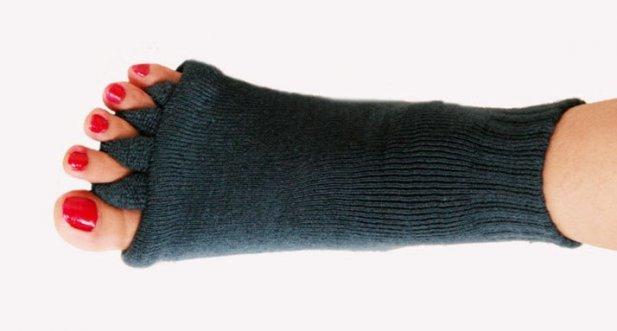
Toe separator socks, also known as toe spacer socks or alignment socks, feature individual compartments for each toe, similar to gloves for the feet. The key distinguishing feature is the built-in spacing material between the toe pockets, which gently encourages the toes to spread apart and maintain their natural position. These socks are typically constructed from stretchy, breathable materials such as cotton, bamboo, or synthetic blends that provide both comfort and the necessary structural support to keep toes separated.
The design philosophy behind toe separator socks draws from the observation that many foot problems stem from years of wearing conventional footwear that squeezes toes together into unnatural positions. Traditional shoes, particularly those with narrow or pointed toe boxes, force the toes to overlap, crowd together, and deviate from their anatomically correct alignment. Over time, this chronic compression can lead to various deformities, pain syndromes, and functional impairments. Toe separator socks aim to counteract these effects by restoring natural toe splay and promoting proper foot mechanics.
Conditions Addressed by Toe Separator Socks
Toe separator socks have demonstrated utility in managing numerous foot conditions. One of the primary applications is in treating and preventing bunions and bunionettes. These painful bony prominences develop when the big toe or little toe angles toward the other toes, creating a protruding joint. The gentle separation provided by these socks helps realign the affected toe toward its proper position, potentially slowing progression of mild deformities and reducing associated discomfort. While toe separator socks cannot reverse established bony changes, they can address the soft tissue components and prevent worsening.
Overlapping toes, a condition where one or more toes rest on top of or beneath adjacent toes, responds particularly well to toe separator sock intervention. This problem often results from genetic predisposition combined with years of wearing cramped footwear. By physically maintaining space between the toes, these socks train the soft tissues to adapt to proper alignment. With consistent use, many individuals experience gradual improvement in toe position and reduced pain from friction between overlapping digits.
Hammertoes and claw toes, characterized by abnormal bending of the toe joints, benefit from the stretching effect of toe separator socks. While these socks primarily address horizontal spacing rather than vertical deformities, the improved alignment can reduce pressure points, decrease corn and callus formation, and enhance overall foot function. The separation prevents toes from rubbing against each other, a common source of irritation in these conditions.
Morton's neuroma, a painful condition involving thickening of tissue around nerves between the toes, particularly between the third and fourth toes, may find relief through toe separator socks. By creating space between metatarsal heads and reducing compression on the affected nerve, these socks can alleviate symptoms including burning, tingling, and sharp pain in the ball of the foot.
Athletes, particularly runners and dancers, utilize toe separator socks to address various overuse injuries and to enhance performance. The improved toe splay can contribute to better balance, more efficient push-off during gait, and enhanced proprioception—the body's awareness of foot position and movement in space. Some athletes report reduced incidence of blisters, black toenails, and general foot fatigue when incorporating these socks into their training regimen.
Mechanism of Action and Benefits
The therapeutic effects of toe separator socks operate through several mechanisms. First, they provide passive stretching of contracted soft tissues, including tendons, ligaments, and the joint capsules that have adapted to crowded toe positions. This gentle, prolonged stretching can gradually increase tissue flexibility and restore range of motion.
Second, toe separator socks enhance circulation. Compressed, overlapping toes can impede blood flow, contributing to coldness, numbness, and impaired healing. By allowing proper spacing, these socks facilitate better vascular function throughout the foot and toes. Improved circulation delivers more oxygen and nutrients to tissues while efficiently removing metabolic waste products.
Third, these socks promote better biomechanics during weight-bearing activities. When toes can spread naturally, they create a wider, more stable base of support. This enhanced stability can positively influence alignment throughout the entire kinetic chain, potentially benefiting not just the foot but also the ankles, knees, hips, and even the lower back. Proper toe splay allows for more effective distribution of ground reaction forces during walking and running, reducing stress on individual structures.
Fourth, toe separator socks can enhance sensory feedback. The skin on the plantar surface of the toes contains numerous mechanoreceptors that provide important information about ground contact and weight distribution. When toes are cramped together, this sensory function is compromised. Separated toes can better perceive and respond to variations in terrain and weight-bearing demands, contributing to improved balance and coordination.
Practical Application and Considerations
For optimal results, toe separator socks should be introduced gradually. Individuals unaccustomed to toe separation may initially find the sensation unusual or even uncomfortable, particularly if significant deformities or tissue tightness exists. Beginning with 15 to 30 minutes of daily wear and progressively increasing duration allows the feet to adapt without excessive discomfort. Many users eventually wear these socks for several hours daily or even overnight.
The socks can be worn during various activities depending on individual comfort and footwear compatibility. Some people wear them around the house, during yoga or pilates, or while sleeping. Others incorporate them into athletic activities, though this requires footwear with adequately wide toe boxes to accommodate the separated toes. Combining toe separator socks with barefoot or minimalist shoes can provide synergistic benefits, as both approaches emphasize natural foot function.
Material selection matters for comfort and effectiveness. Moisture-wicking fabrics are preferable for athletic use, while softer, cozier materials suit relaxation and sleep. The thickness of the separator material should match the individual's needs and tolerance—thicker separators provide more aggressive spacing but may be less comfortable initially.
It's important to recognize that toe separator socks are not appropriate for everyone. Individuals with severe circulatory problems, advanced diabetes with neuropathy, or acute foot infections should consult healthcare providers before use. Those with rigid, arthritic changes in toe joints may find limited benefit, as these socks primarily affect flexible deformities.
Toe alignment socks represent an accessible, non-invasive tool for addressing common foot problems and promoting natural foot health. While not a panacea for all foot conditions, they offer meaningful benefits for many individuals when used appropriately and consistently. By encouraging natural toe alignment, enhancing circulation, and improving biomechanics, these simple garments can contribute to reduced pain, improved function, and better overall foot wellness. As with any therapeutic intervention, realistic expectations, proper technique, and patience are essential for achieving optimal outcomes.
Post Your Ad Here
Comments