The Therapeutic Potential of Toe Yoga for Foot Problems
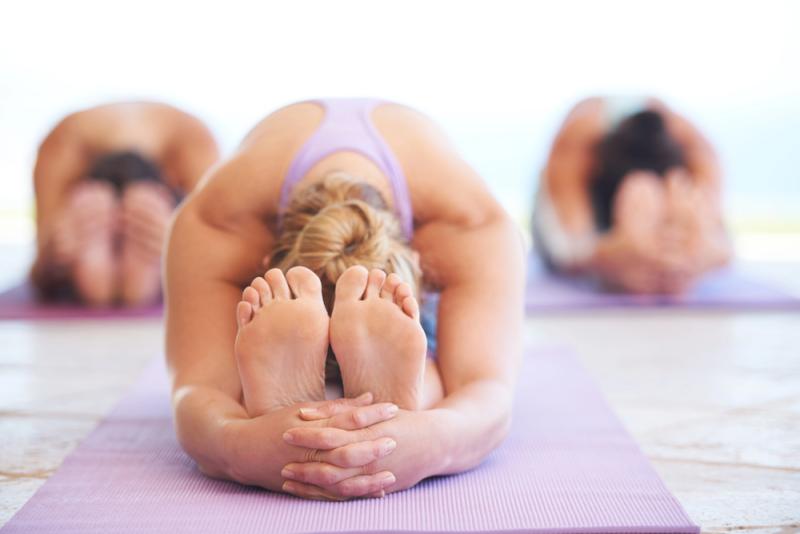
The human foot is a remarkable feat of biomechanical engineering, containing 26 bones, 33 joints, and over 100 muscles, tendons, and ligaments. Yet despite this complex architecture, modern lifestyles often leave our feet neglected and weakened. Enter toe yoga—a deceptively simple practice that involves isolating and moving individual toes to strengthen intrinsic foot muscles. This emerging therapeutic approach has gained attention among physical therapists, podiatrists, and movement specialists as a potential intervention for various foot problems, from plantar fasciitis to bunions.
Understanding Toe Yoga
Toe yoga refers to exercises that focus on controlled, isolated movements of the toes, particularly the ability to lift the big toe independently while keeping the other toes down, and vice versa. This seemingly simple task is surprisingly difficult for many people, revealing a common disconnect between the brain and the small muscles of the feet. The practice draws its name from the mindful, deliberate attention required—much like traditional yoga—to perform these movements with precision and awareness.
The exercises typically begin with basic movements: attempting to lift just the big toe while keeping the smaller toes grounded, then reversing the action by pressing the big toe down while lifting the remaining four toes. As practitioners develop control, they can progress to more complex variations, such as spreading the toes apart, creating space between each digit, or even learning to move individual toes in isolation.
The Biomechanical Rationale
The effectiveness of toe yoga lies in its ability to activate and strengthen the intrinsic muscles of the foot—the small muscles that originate and insert entirely within the foot structure. Modern footwear, particularly shoes with narrow toe boxes and elevated heels, often immobilizes these muscles, leading to atrophy and dysfunction. When intrinsic foot muscles weaken, the foot loses its ability to properly distribute forces, maintain its natural arch, and adapt to varied terrain.
Research in biomechanics has shown that strong intrinsic foot muscles play a crucial role in maintaining the medial longitudinal arch, which acts as the foot's primary shock absorption system. When these muscles function optimally, they work in concert with the plantar fascia to control pronation and provide dynamic stability during the gait cycle. Conversely, weakness in these muscles can contribute to excessive pronation, altered loading patterns, and compensatory stress on the plantar fascia and other structures.
Applications for Common Foot Problems
Plantar Fasciitis
Plantar fasciitis, characterized by heel pain and inflammation of the thick band of tissue running across the bottom of the foot, affects millions of people annually. Traditional treatments often focus on stretching the plantar fascia and calf muscles, but toe yoga offers a complementary approach. By strengthening the intrinsic muscles that support the arch, toe yoga can reduce the load on the plantar fascia. When the small muscles of the foot properly engage, they help lift and support the arch from within, potentially reducing the tensile stress on the fascia that leads to inflammation and pain.
Bunions and Toe Deformities
Bunions, or hallux valgus, involve the progressive deviation of the big toe toward the smaller toes, creating a bony prominence at the base of the big toe. While severe cases may require surgical intervention, toe yoga can be valuable for mild to moderate bunions or as a preventive measure. The practice helps maintain the strength and flexibility of the muscles that control big toe movement, potentially slowing progression. Additionally, exercises that promote toe spreading can help counteract the cramping effects of narrow footwear that contribute to bunion formation.
Balance and Proprioception
The feet are rich in sensory receptors that provide crucial information about body position and ground contact. Toe yoga enhances proprioception—the body's awareness of its position in space—by reestablishing neural connections between the brain and feet. This improved sensory feedback can enhance balance, particularly important for older adults at risk of falls or athletes seeking to optimize performance. Studies have demonstrated that individuals with better intrinsic foot muscle strength show improved balance and postural stability.
Integration with Modern Rehabilitation
Progressive physical therapists and sports medicine practitioners have begun incorporating toe yoga into comprehensive foot rehabilitation programs. The practice aligns well with the "short foot exercise," a similar intervention that involves shortening the foot by drawing the ball of the foot toward the heel without curling the toes. Together, these exercises form a foundation for rebuilding foot function from the ground up.
The beauty of toe yoga lies in its accessibility. Unlike many therapeutic interventions requiring equipment or clinical settings, toe yoga can be practiced anywhere—while sitting at a desk, watching television, or during dedicated exercise sessions. This convenience promotes consistent practice, which is essential for neuromuscular retraining and strength development.
Limitations and Considerations
While promising, toe yoga is not a panacea for all foot problems. Structural deformities, severe injuries, or conditions requiring medical intervention should be evaluated by healthcare professionals. Additionally, learning to isolate toe movements can be frustratingly difficult initially, and some individuals may require months of consistent practice before achieving basic control.
Patience and realistic expectations are crucial. Like learning any new motor skill, toe yoga requires regular practice and gradual progression. Some practitioners recommend starting with just a few minutes daily, using visual feedback from a mirror to aid learning, and accepting that initial attempts may produce little visible movement.
Toe yoga represents a shift in how we approach foot health—moving from passive interventions toward active engagement and strengthening. By reconnecting with the intrinsic muscles of our feet, we can potentially address the root causes of many common foot problems rather than merely treating symptoms. As research continues to validate the biomechanical principles underlying this practice, toe yoga may become an increasingly standard component of foot rehabilitation protocols. For those willing to invest time and attention in their feet, this simple yet challenging practice offers a promising path toward stronger, more resilient, and pain-free feet.


Post Your Ad Here
Comments (1)
Meds4Go6
Buy Generic Medicine Online
toe yoga can be practiced anywhere