The Use of Tuli's Heel Cups for Foot Pain
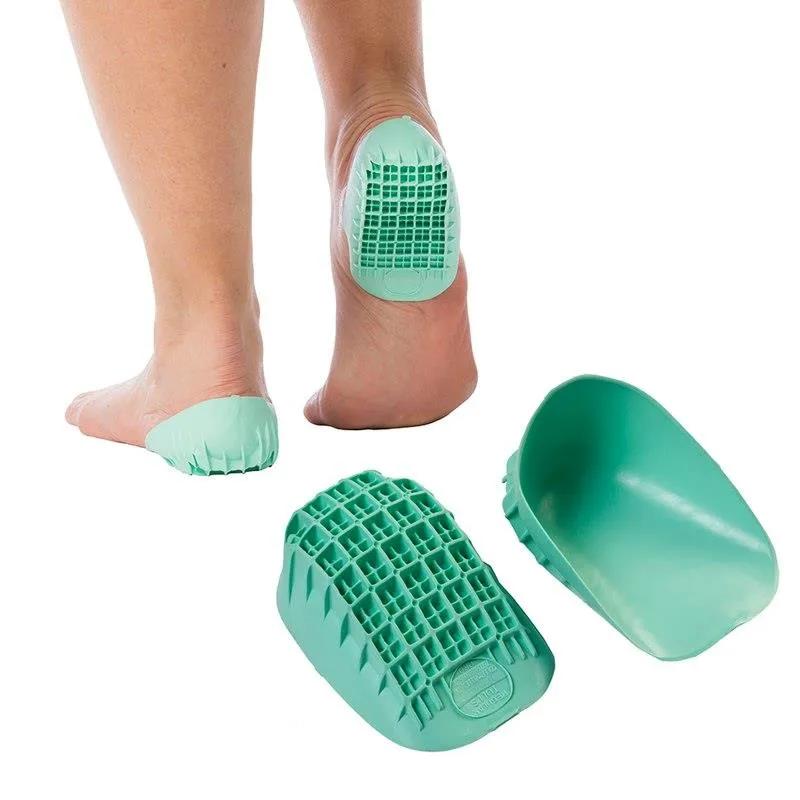
Foot pain affects millions of people worldwide, significantly impacting their quality of life, mobility, and ability to participate in daily activities. Among the various treatment options available, heel cups have emerged as a popular, non-invasive solution for addressing heel and foot discomfort. Tuli's heel cups, in particular, have gained recognition as an effective over-the-counter device for managing various types of foot pain. Understanding how these products work, their benefits, and their appropriate applications can help individuals make informed decisions about managing their foot health.
Tuli's heel cups are designed based on biomechanical principles that address the root causes of heel pain. The company, founded by Milt Tuli, developed these products with a focus on mimicking the natural shock-absorbing properties of the heel's fat pad. As we age or engage in repetitive impact activities, the natural cushioning in our heels can become compressed and less effective at absorbing shock. This deterioration often leads to conditions such as plantar fasciitis, heel spurs, and general heel pain. Tuli's heel cups aim to restore this lost cushioning and provide additional support to alleviate discomfort.
The design of Tuli's heel cups incorporates a waffle-pattern construction made from a proprietary material that provides multi-cell, multi-layer shock absorption. This unique design allows the heel cup to compress and rebound with each step, absorbing impact forces that would otherwise be transmitted through the heel and into the rest of the body. The waffle pattern creates multiple points of contact that distribute pressure more evenly across the heel, reducing concentrated stress on any single area. This distribution is particularly beneficial for individuals suffering from conditions where localized pressure causes pain.
One of the primary conditions that Tuli's heel cups address is plantar fasciitis, an inflammation of the thick band of tissue that runs across the bottom of the foot connecting the heel bone to the toes. This condition typically causes stabbing pain that is most severe with the first steps in the morning. The heel cup works by providing cushioning that reduces the impact on the plantar fascia with each step, while also helping to maintain proper foot positioning. By elevating the heel slightly and providing support, the device can help reduce tension on the plantar fascia, allowing it to heal while the user continues their daily activities.
Heel spurs, another common source of heel pain, can also benefit from the use of Tuli's heel cups. Heel spurs are calcium deposits that cause bony protrusions on the underside of the heel bone. While the spurs themselves may not always cause pain, the surrounding soft tissue inflammation often does. The cushioning provided by heel cups helps to reduce the pressure and friction on these sensitive areas, providing relief and preventing further irritation. The shock-absorbing properties also help minimize the repetitive trauma that can exacerbate heel spur symptoms.
Beyond specific conditions, Tuli's heel cups can benefit anyone who spends extended periods on their feet or engages in high-impact activities. Athletes, particularly runners and basketball players, often use heel cups to prevent injury and reduce fatigue. Workers in occupations that require prolonged standing, such as healthcare professionals, retail workers, and food service employees, may also find significant relief from incorporating heel cups into their footwear. The preventive benefits of using heel cups can be just as valuable as their therapeutic applications.
The effectiveness of Tuli's heel cups is supported by their ease of use and versatility. Unlike custom orthotics that require professional fitting and can be expensive, heel cups are available in various sizes and can be purchased over the counter. They fit easily into most types of footwear, including athletic shoes, work boots, and casual shoes. The low-profile design ensures that they don't significantly alter the fit of shoes, making them a practical solution for everyday use. Additionally, the durable materials used in their construction mean that heel cups can last for several months with regular use, making them a cost-effective option for managing chronic foot pain.
However, it's important to recognize that while Tuli's heel cups can provide significant relief for many individuals, they are not a universal solution for all types of foot pain. Proper diagnosis of the underlying cause of foot pain is essential before beginning any treatment regimen. Some conditions may require more comprehensive interventions, such as physical therapy, medication, custom orthotics, or in severe cases, surgical intervention. Heel cups work best as part of a holistic approach to foot health that may also include stretching exercises, proper footwear selection, weight management, and modifications to activity levels.
Users should also be aware that there may be an adjustment period when first using heel cups. Some individuals experience initial discomfort as their feet adapt to the new support and cushioning. Starting with shorter periods of use and gradually increasing wear time can help ease this transition. Additionally, ensuring proper sizing is crucial for maximizing the benefits and comfort of heel cups.
Tuli's heel cups represent a valuable tool in the management of heel and foot pain. Their innovative design, based on sound biomechanical principles, provides effective shock absorption and pressure distribution that can alleviate symptoms associated with plantar fasciitis, heel spurs, and general heel discomfort. The accessibility, affordability, and ease of use make them an attractive first-line treatment option for many individuals suffering from foot pain. While they may not solve every foot problem, for many people, Tuli's heel cups offer a simple yet effective means of reducing pain, improving mobility, and enhancing quality of life. As with any health concern, individuals experiencing persistent or severe foot pain should consult with a healthcare professional to ensure proper diagnosis and comprehensive treatment planning.
Post Your Ad Here
Comments