The Role of Toe Straighteners in Addressing Foot Deformities
Foot health is often overlooked until discomfort or pain becomes unbearable. Among the various foot ailments that affect millions of people worldwide, toe deformities such as hammertoes, bunions, and overlapping toes represent some of the most common and troublesome conditions. These problems not only cause physical discomfort but can also lead to difficulties in walking, finding appropriate footwear, and maintaining an active lifestyle. In recent years, toe straighteners have emerged as a popular non-invasive solution for managing and potentially correcting these conditions. These devices, available in various forms and materials, offer an accessible first-line treatment option for individuals seeking relief from toe-related problems.
Understanding Common Toe Deformities
Before examining the role of toe straighteners, it's essential to understand the conditions they aim to address. Hammertoes occur when the middle joint of a toe bends abnormally, creating a hammer-like appearance. This condition typically affects the second, third, or fourth toes and can result from wearing ill-fitting shoes, arthritis, or genetic predisposition. Bunions, characterized by a bony bump at the base of the big toe, develop when the big toe pushes against adjacent toes, forcing the joint to protrude outward. Overlapping toes, another common deformity, occur when one toe rests on top of an adjacent toe, often caused by tight footwear or inherited foot structure.
These conditions share common symptoms including pain, inflammation, corns, calluses, and difficulty walking. Left untreated, they can progress from flexible deformities, where the toe can still be manually straightened, to rigid deformities that may eventually require surgical intervention. This progression underscores the importance of early intervention, where toe straighteners can play a crucial preventive and therapeutic role.
Types and Mechanisms of Toe Straighteners
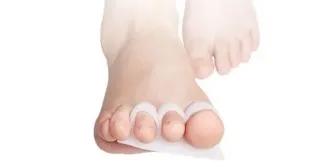
Toe straighteners come in various designs, each tailored to address specific deformities. Toe spacers, made from silicone or gel materials, fit between toes to prevent overlap and reduce friction. These devices are particularly effective for addressing bunions and overlapping toes by maintaining proper toe alignment and spacing. Toe splints and braces provide more structured support, typically featuring loops or straps that wrap around affected toes to hold them in a straightened position. These are commonly used for hammertoes and can be worn during the day or night depending on the severity of the condition.
Toe sleeves combine cushioning with corrective pressure, encasing the entire toe while incorporating built-in spacers or pads that encourage proper alignment. Meanwhile, bunion correctors specifically target the big toe joint, using hinged mechanisms or cushioned splints to gradually guide the toe back toward its natural position. The materials used in these devices range from medical-grade silicone and gel, which offer flexibility and comfort, to more rigid plastics that provide stronger corrective force for stubborn deformities.
Effectiveness and Treatment Outcomes
The effectiveness of toe straighteners varies depending on several factors, including the severity and rigidity of the deformity, the consistency of use, and whether they're part of a comprehensive treatment approach. Research and clinical experience suggest that toe straighteners work best for mild to moderate, flexible deformities where the joint hasn't yet become fixed in an abnormal position. When used consistently over extended periods, these devices can help realign toes, reduce pain, and prevent progression of the deformity.
For hammertoes in the early stages, regular use of toe splints can help retrain the toe muscles and ligaments, gradually reducing the bend in the affected joint. Bunion correctors, while unable to eliminate the bony prominence entirely, can slow progression and significantly reduce pain by decreasing pressure on the affected joint. Studies indicate that patients who wear toe straighteners regularly, particularly during rest periods or sleep, report notable improvements in comfort and function.
However, it's important to maintain realistic expectations. Toe straighteners are most effective as preventive tools or for managing early-stage deformities. Rigid, longstanding deformities often require more aggressive interventions, and toe straighteners in these cases serve primarily to manage symptoms rather than correct the underlying structural problem. Additionally, the benefits of toe straighteners are typically sustained only with continued use; discontinuing their use may result in gradual return of the deformity.
Integration with Comprehensive Foot Care
For optimal results, toe straighteners should be part of a broader foot care strategy. This includes selecting appropriate footwear with adequate toe box space, which prevents crowding and reduces pressure on vulnerable areas. Shoes with low heels and good arch support complement the corrective action of toe straighteners by promoting natural foot alignment. Foot exercises and stretches strengthen the intrinsic muscles of the foot and improve flexibility, enhancing the effectiveness of external support devices.
Physical therapy may be recommended for more severe cases, combining manual manipulation with strengthening exercises. Some practitioners advocate for taping techniques that work synergistically with toe straighteners to maintain proper alignment. In cases where inflammation is present, anti-inflammatory medications or ice therapy can reduce pain and swelling, making it more comfortable to wear corrective devices.
Considerations and Limitations
While toe straighteners offer numerous benefits, they're not suitable for everyone. Individuals with certain medical conditions, particularly diabetes or peripheral neuropathy, should consult healthcare professionals before using these devices, as reduced sensation can mask pressure points or skin irritation. Those with poor circulation should also exercise caution, as toe straighteners can potentially restrict blood flow if too tight.
Proper sizing and gradual acclimation are crucial for successful use. Beginning with short wearing periods and gradually increasing duration helps the foot adjust to the corrective pressure. Users should monitor for signs of excessive pressure, including numbness, increased pain, or skin breakdown, which indicate the need for adjustment or discontinuation.
Toe straighteners represent a valuable tool in the conservative management of common foot deformities. Their non-invasive nature, accessibility, and relative affordability make them an attractive first-line treatment option for many individuals experiencing toe problems. While not a universal solution and unlikely to reverse advanced deformities, these devices can effectively manage symptoms, slow progression, and in some cases, correct early-stage misalignments. Success depends on early intervention, consistent use, and integration into a comprehensive foot care program. For those experiencing toe discomfort or noticing early signs of deformity, consulting a podiatrist or foot specialist can help determine whether toe straighteners are appropriate and which type would be most beneficial for their specific condition.
Post Your Ad Here
Comments