Toe Spacers for Bunion Treatment: A Conservative Approach to Hallux Valgus Management
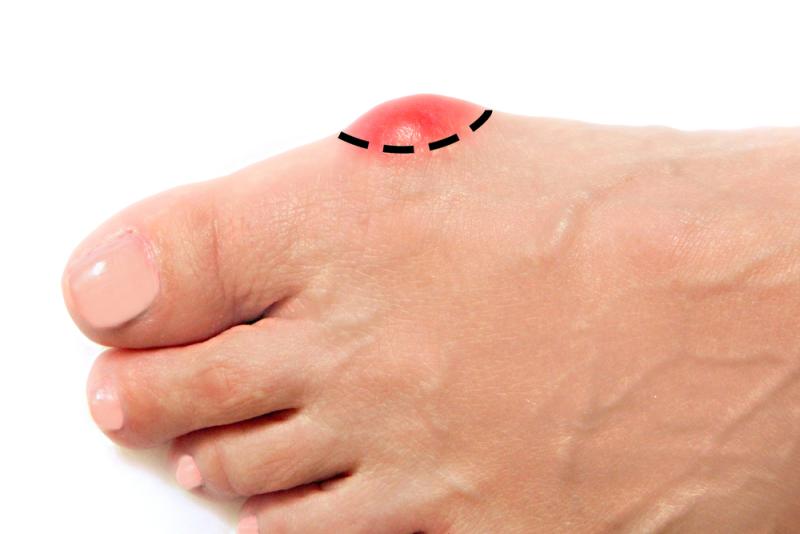
Bunions, medically termed hallux valgus, represent one of the most prevalent foot deformities affecting millions of people worldwide. Characterized by the progressive lateral deviation of the great toe toward the lesser toes and the medial prominence of the first metatarsal head, bunions cause not only cosmetic concerns but also significant pain, functional limitations, and difficulty with footwear. While surgical correction remains the definitive treatment for severe, symptomatic bunions, conservative management approaches have gained increasing attention for their potential to alleviate symptoms, slow progression, and delay or avoid surgical intervention. Among these conservative options, toe spacers have emerged as particularly popular and accessible devices. This essay explores the rationale, application, effectiveness, and limitations of toe spacers in bunion treatment, providing a comprehensive understanding of their role in managing this common condition.
Understanding Bunion Pathophysiology
Before examining how toe spacers address bunions, understanding the underlying pathophysiology proves essential. Bunions develop through a complex interplay of genetic predisposition, biomechanical factors, and environmental influences, particularly footwear. The deformity involves multiple structural changes including lateral deviation of the hallux at the metatarsophalangeal joint, medial deviation and rotation of the first metatarsal, progressive subluxation of the sesamoid bones beneath the first metatarsal head, and soft tissue imbalances with contracture of lateral structures and stretching of medial tissues.
As the great toe angles toward the second toe, several consequences follow. The medial aspect of the first metatarsal head becomes increasingly prominent, creating the visible bunion bump that rubs against footwear. The bursa overlying this prominence often becomes inflamed, causing painful bursitis. Pressure between the great toe and second toe can lead to crowding, overlapping, and secondary deformities. The altered biomechanics affect the entire forefoot, potentially causing metatarsalgia and transfer pain to other metatarsal heads.
Multiple factors contribute to bunion development. Hereditary predisposition plays a significant role, with bunions often running in families. Women develop bunions far more frequently than men, likely related to hormonal factors affecting ligamentous laxity and higher rates of narrow footwear use. Foot structure abnormalities including excessive pronation, hypermobility of the first metatarsal-cuneiform joint, and various inflammatory arthropathies increase bunion risk. However, footwear remains the most modifiable risk factor, with tight, narrow, pointed shoes and high heels consistently associated with bunion formation and progression.
The Rationale for Toe Spacers
Toe spacers address bunions by targeting the soft tissue component of the deformity. While the bony deviation and structural changes cannot be reversed without surgery, the soft tissues surrounding the joint remain amenable to conservative intervention, particularly in early or moderate cases with retained flexibility.
The primary mechanism by which toe spacers work involves counteracting the deforming forces that pull the great toe laterally. In bunion formation, structures on the lateral side of the great toe, including the adductor hallucis muscle, lateral joint capsule, and lateral collateral ligaments, become progressively contracted and tight. These shortened tissues create constant tension pulling the toe toward the lesser toes. Simultaneously, medial structures including the abductor hallucis muscle and medial joint capsule become overstretched and weakened, losing their ability to maintain proper alignment.
Toe spacers inserted between the great toe and second toe create a physical barrier preventing further medial drift while providing sustained, gentle stretching force to the contracted lateral tissues. This prolonged low-load stretching, when applied consistently over time, can encourage tissue remodeling and gradual lengthening of shortened structures. The principle mirrors therapeutic approaches used throughout musculoskeletal rehabilitation, where gentle, sustained stretching proves more effective than aggressive manipulation for producing lasting tissue changes.
Additionally, toe spacers improve proprioception and body awareness regarding toe position. Many individuals with bunions unconsciously maintain their great toe in the deviated position even when barefoot, as this has become the default position their nervous system recognizes as normal. Spacers provide constant sensory feedback, reminding the neuromuscular system of proper alignment and potentially facilitating better motor control and active correction.
Types and Selection of Toe Spacers for Bunions
Various toe spacer designs exist specifically for bunion management, each with distinct characteristics. Simple wedge spacers represent the most basic type, featuring a single piece of material that fits between the great toe and second toe. These are typically made from silicone gel or foam and focus exclusively on maintaining separation. Loop-style spacers incorporate a loop that fits around one or both toes, providing more secure positioning and preventing migration during use.
Bunion-specific spacers often include additional features beyond simple separation. Many incorporate a padded section that sits over the medial bunion prominence, providing cushioning between the bunion and footwear. Some designs feature adjustable spacing, allowing users to gradually increase the separation distance as their tissues adapt. Others include textured or ribbed surfaces that provide additional sensory stimulation and prevent slipping.
Material composition significantly influences comfort, durability, and effectiveness. Medical-grade silicone offers excellent durability, maintains its shape well, resists compression, and cleans easily, making it ideal for regular, long-term use. Gel materials provide softer, more cushioned separation that many users find more comfortable initially, though they may compress more under load and have shorter lifespans. Foam spacers offer lightweight, breathable options suitable for sensitive skin but typically require more frequent replacement due to material degradation.
Selecting the appropriate spacer requires consideration of several factors. The severity of the bunion influences the optimal spacing distance, with mild bunions tolerating more aggressive separation while severe, rigid deformities requiring gentler initial spacing. Skin sensitivity and tolerance vary among individuals, with some preferring softer materials despite reduced durability. The intended use context matters as well, with different spacers better suited for wearing during rest, inside wide shoes, or during specific activities.
Application and Treatment Protocols
Successful bunion treatment with toe spacers requires proper application technique and adherence to progressive protocols. For individuals new to toe spacers, gradual introduction prevents excessive discomfort and encourages long-term compliance. Beginning with brief sessions of 10 to 15 minutes once or twice daily allows the soft tissues to adapt without overwhelming discomfort. Over several weeks, duration can progressively increase to 30 minutes, one hour, or even several hours as tolerance develops.
Many practitioners recommend wearing toe spacers during low-impact activities or rest periods initially. Sitting while reading, watching television, or working at a desk provides ideal opportunities for spacer use. As adaptation occurs, spacers can be incorporated into more active pursuits including walking around the home, performing stretching exercises, or practicing yoga. Some individuals eventually wear spacers inside shoes during daily activities, though this requires footwear with genuinely wide toe boxes that accommodate the increased toe splay without creating new pressure points.
Nighttime wear represents another option that some bunion patients find beneficial. Wearing spacers during sleep provides prolonged stretching over six to eight hours without interfering with daytime activities. However, not everyone tolerates spacers comfortably during sleep, particularly initially, so this approach works better for some individuals than others.
For optimal results, toe spacers should be combined with other conservative interventions. Footwear modification remains paramount, requiring shoes with wide, deep toe boxes that allow natural toe splay and avoid compressing the bunion prominence. Strengthening exercises targeting the intrinsic foot muscles and the abductor hallucis can improve active control and support passive stretching gains. Toe mobilization exercises that involve manually moving the great toe through its range of motion complement spacer use. Anti-inflammatory measures including ice application and oral medications can address acute bursitis episodes.
Regular assessment allows treatment adjustment based on response. Individuals should monitor several indicators including pain levels during and after spacer use, progressive improvement in passive toe alignment when the spacer is removed, ability to tolerate longer duration or firmer spacers, changes in the bunion prominence or associated inflammation, and improvements in footwear comfort and function.
Evidence and Realistic Expectations
Research examining toe spacer effectiveness for bunions remains somewhat limited compared to surgical outcome studies, though growing evidence supports their role in conservative management. Several studies have demonstrated that consistent toe spacer use combined with appropriate footwear and exercises can reduce bunion-associated pain, improve hallux valgus angle measurements in flexible deformities, and enhance overall foot function scores. Most improvements occur over months rather than weeks, emphasizing the need for patient persistence.
However, maintaining realistic expectations remains crucial. Toe spacers cannot reverse established bony deformities or reposition subluxated sesamoid bones. The structural changes that define moderate to severe bunions require surgical correction if reversal is desired. What toe spacers can accomplish includes slowing or halting progression in early bunions with good flexibility, reducing pain and inflammation through improved alignment and reduced friction, improving toe function and strength through better positioning, and potentially delaying or avoiding surgical intervention in appropriate cases.
Certain characteristics predict better outcomes with conservative spacer treatment. Flexible bunions that can be manually straightened respond better than rigid deformities with significant arthritis. Earlier intervention produces superior results compared to treating long-standing, severe deformities. Younger patients with better tissue quality generally respond more favorably. Individuals willing to make comprehensive changes including footwear modification and exercise achieve better outcomes than those relying solely on spacers.
Precautions and Contraindications
While generally safe, toe spacers require precautions in certain populations. Individuals with diabetes or peripheral neuropathy face increased risk because reduced sensation may prevent detection of excessive pressure, skin irritation, or circulation compromise. These patients should inspect their feet carefully when using spacers and consult healthcare providers regarding appropriate use. Those with peripheral vascular disease should ensure spacers do not impede already-compromised circulation.
Active infections, open wounds, or severe acute inflammation represent temporary contraindications until these conditions resolve. Extremely rigid bunions with advanced arthritis may tolerate spacers poorly and derive minimal benefit. Individuals with significant hallux rigidus, where the primary problem involves limited joint motion rather than lateral deviation, require different treatment approaches.
Toe spacers represent valuable tools in the conservative management of bunions, offering accessible, non-invasive intervention for this common deformity. While unable to reverse established structural changes, spacers can meaningfully reduce symptoms, slow progression, and improve function when used appropriately as part of comprehensive conservative care. Success requires realistic expectations, proper selection and application, consistent long-term use, and integration with other conservative measures including appropriate footwear and therapeutic exercises. For many individuals with mild to moderate bunions, toe spacers provide sufficient relief to maintain comfortable, active lifestyles without surgical intervention.
Post Your Ad Here
Comments