Toe Spacers: Therapeutic Tools for Restoring Natural Toe Alignment and Function
The modern foot exists in a state of compromise. Centuries of footwear evolution have prioritized fashion, protection, and cultural norms over anatomical integrity, resulting in shoes that fundamentally alter the natural structure and function of our feet. Perhaps nowhere is this compromise more evident than in the toes, which are routinely compressed, overlapped, and forced into unnatural positions by conventional footwear. This chronic compression contributes to a cascade of problems including bunions, hammertoes, neuromas, and general foot pain. Toe spacers, simple devices designed to restore natural spacing between the toes, have gained recognition as effective conservative treatments for these conditions. By counteracting the compressive forces of footwear and encouraging toes to return to their anatomically correct positions, toe spacers offer a non-invasive approach to improving foot health, reducing pain, and enhancing overall function.
Understanding Toe Spacers
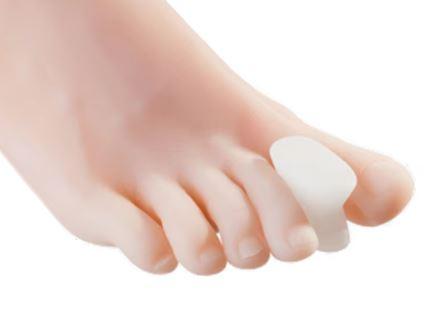
Toe spacers are devices inserted between the toes to create and maintain space, promoting natural toe splay and alignment. They are manufactured from various materials including medical-grade silicone, gel, foam, and flexible plastics. Each material offers distinct properties: silicone spacers provide durability, flexibility, and easy cleaning; gel spacers offer soft, cushioned separation with excellent shock absorption; foam spacers are lightweight and breathable but less durable; and rigid plastic spacers provide firm, aggressive correction but may be less comfortable initially.
Toe spacers come in numerous designs. Single-loop spacers fit between two adjacent toes, typically addressing problems between specific digits. Multi-toe spacers feature connected sections that separate all five toes simultaneously, providing comprehensive alignment correction. Some designs include additional features such as gel padding over bunions, adjustable spacing width, or textured surfaces to prevent migration during use.
The fundamental principle underlying toe spacer therapy is simple yet profound: by maintaining proper spacing between toes, these devices allow soft tissues to gradually adapt to correct alignment, reduce abnormal pressure points, improve biomechanics, and restore natural foot function. Unlike surgical interventions that forcibly reposition bones and joints, toe spacers work gradually through consistent, gentle encouragement of the body's adaptive capabilities.
The Biomechanical Rationale
To appreciate how toe spacers work, one must understand normal toe anatomy and the consequences of chronic compression. In their natural state, toes should spread apart during weight-bearing, creating a wide, stable base of support. Each toe should align relatively straight, extending forward from its corresponding metatarsal bone without significant deviation or overlap. This configuration optimizes weight distribution, balance, and propulsive efficiency during walking and running.
Conventional footwear, particularly shoes with narrow or pointed toe boxes, forces toes into a compressed, triangular configuration. Over time, the soft tissues surrounding the toe joints—including ligaments, joint capsules, and tendons—adapt to this position through a process called adaptive shortening. The toes begin to default toward the compressed position even when not in shoes. This maladaptive change sets the stage for various pathologies.
Toe spacers reverse this process through prolonged, low-load stretching. When inserted between the toes, spacers create gentle tension on the contracted soft tissues. With regular use over weeks and months, these tissues gradually lengthen and remodel, allowing the toes to assume more natural positions. This therapeutic mechanism mirrors principles used throughout orthopedic rehabilitation, where sustained, gentle stretching proves more effective than aggressive, forceful manipulation.
Clinical Applications
Bunions and Hallux Valgus
Bunions represent one of the most common and well-known applications for toe spacers. In hallux valgus, the great toe angles toward the lesser toes while the first metatarsal head protrudes medially, creating the characteristic bunion prominence. While established bony changes cannot be reversed non-surgically, toe spacers can address the soft tissue component of the deformity.
By maintaining space between the great toe and second toe, spacers counteract the deforming forces that encourage progressive angulation. Research suggests that consistent use of bunion toe spacers, particularly when combined with appropriate footwear and strengthening exercises, can slow bunion progression, reduce associated pain, and improve toe function. The spacers stretch the contracted lateral structures pulling the great toe toward the lesser toes while allowing shortened medial tissues to gradually lengthen.
Overlapping and Underlapping Toes
Toe spacers excel in treating overlapping toes, where one digit rests on top of an adjacent toe, and underlapping toes, where one toe slides beneath another. These positional abnormalities often result from hereditary factors combined with years of wearing cramped footwear. The constant friction between overlapping toes causes pain, corns, and difficulty with shoe fit.
Spacers physically separate the affected toes, eliminating the abnormal contact while encouraging gradual realignment. For flexible deformities without rigid bony changes, consistent spacer use can produce remarkable improvement. Many patients report that toes gradually migrate toward better positions, with overlapping becoming less pronounced over months of dedicated use.
Hammertoes and Claw Toes
While hammertoes primarily involve abnormal flexion at the interphalangeal joints rather than medial-lateral deviation, toe spacers still offer benefits. Hammertoes often drift medially or laterally as the deformity progresses, with adjacent toes beginning to overlap. Spacers prevent this lateral drift and can reduce the tendency of hammertoes to crowd against neighboring digits.
Additionally, by improving overall toe alignment and reducing crowding, spacers may indirectly benefit hammertoes by optimizing force distribution across the forefoot. Some specialized toe spacers incorporate vertical components that provide support beneath hammertoes, combining spacing with gentle straightening forces.
Morton's Neuroma
Morton's neuroma involves painful thickening of tissue around the digital nerves, most commonly between the third and fourth toes. The condition results from chronic compression and irritation of the nerve as it passes beneath the transverse metatarsal ligament. Symptoms include burning pain, tingling, numbness, and the sensation of walking on a pebble.
Toe spacers can alleviate Morton's neuroma symptoms by reducing compression on the affected nerve. By separating the metatarsal heads and the corresponding toes, spacers decrease pressure on the neuroma, often providing significant pain relief. Many patients with Morton's neuroma report that regular spacer use, combined with appropriate footwear modifications, allows them to avoid or delay surgical intervention.
Athletic Performance Enhancement
Beyond treating specific pathologies, toe spacers have gained popularity among athletes seeking performance optimization. Proper toe splay enhances balance and stability by creating a wider base of support. Separated toes can push against the ground more effectively during the propulsive phase of gait, potentially improving running efficiency and power generation.
Runners, climbers, dancers, and yoga practitioners increasingly incorporate toe spacers into their training regimens. Some athletes wear spacers during recovery periods to counteract the compressive effects of athletic footwear, while others use them before activity as part of their warm-up routine. The improved proprioception that comes with better toe alignment may also enhance body awareness and movement quality.
Proper Use and Progressive Adaptation
Successful toe spacer therapy requires proper technique and realistic expectations. Individuals new to toe spacers should begin gradually, as the stretching sensation can be uncomfortable initially, particularly for those with significant deformities or tissue tightness. Starting with 10 to 15 minutes daily and progressively increasing duration allows adaptation without excessive discomfort.
Most spacers can be worn during various activities. Some people use them while relaxing at home, watching television, or reading. Others wear spacers during yoga, stretching routines, or other barefoot activities. Spacers can even be worn inside shoes if the toe box is sufficiently wide, though this requires careful attention to ensure the footwear does not compress the spacers and negate their benefits.
Nighttime use represents another option, with many individuals wearing spacers during sleep. This approach provides prolonged stretching while avoiding any interference with daily activities. However, some people find spacers uncomfortable during sleep, at least initially, and prefer daytime use.
The material and design of the spacer should match the intended use. Softer gel spacers offer more comfort for prolonged wear and sleep but may compress under weight-bearing loads. Firmer silicone spacers maintain their shape during activity but may feel less comfortable initially. Single-toe spacers address specific problem areas while multi-toe spacers provide comprehensive treatment.
Regular cleaning maintains hygiene and extends spacer lifespan. Most silicone and gel spacers can be washed with mild soap and water, rinsed thoroughly, and air-dried. Proper care allows spacers to last several months before requiring replacement due to material degradation, loss of elasticity, or permanent deformation.
Realistic Expectations and Limitations
While toe spacers offer genuine therapeutic benefits, maintaining realistic expectations is crucial. They cannot reverse established bony deformities, repair arthritic joint changes, or substitute for surgical correction when severe structural abnormalities exist. Toe spacers work best for flexible deformities, mild to moderate misalignment, and as preventive measures against progression.
Results require patience and consistency. Meaningful improvement typically takes weeks to months of regular use, not days. Some individuals respond more favorably than others based on factors including severity of deformity, tissue flexibility, age, and genetic factors.
Certain populations require special precautions. Individuals with diabetes, peripheral neuropathy, or circulatory disorders should consult healthcare providers before using toe spacers, as reduced sensation may prevent detection of excessive pressure or skin irritation. Those with active infections, open wounds, or severe inflammation should avoid spacers until these acute conditions resolve.
Toe spacers represent elegant solutions to problems created largely by modern footwear. By restoring natural toe spacing and alignment, these simple devices offer relief from numerous toe pathologies while promoting better overall foot function. When used appropriately and consistently, toe spacers provide accessible, non-invasive treatment options that can meaningfully improve quality of life for individuals suffering from toe problems.
Post Your Ad Here
Comments