The Clinical Use of Toe Spreader Socks
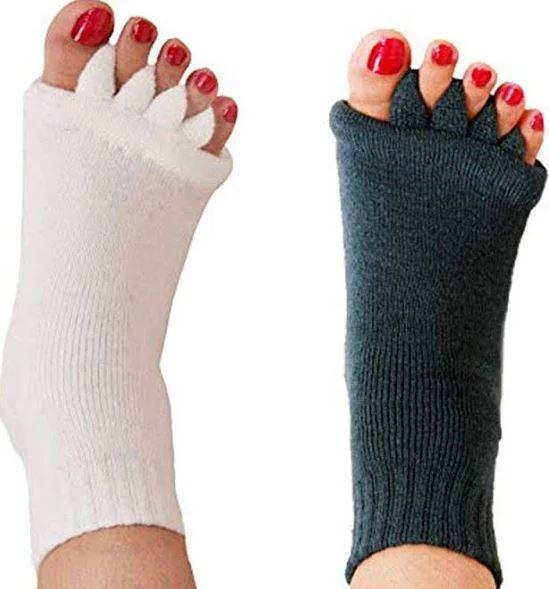
Toe spreader socks represent an increasingly recognized therapeutic intervention in podiatric and rehabilitative medicine. These specialized garments combine the passive correction benefits of traditional toe spacers with the functional advantages of compression hosiery, creating a unique clinical tool that addresses various foot pathologies while maintaining patient mobility and comfort.
Anatomical Foundations and Mechanism of Action
The human foot contains twenty-six bones, thirty-three joints, and over one hundred muscles, tendons, and ligaments working in concert to provide support, balance, and propulsion. The forefoot, particularly the metatarsophalangeal joints, bears significant mechanical stress during ambulation. Toe spreader socks work by gently repositioning the digits into their natural anatomical alignment, counteracting the compressive forces exerted by conventional footwear that often crowds the toes medially.
The mechanism involves applying sustained, low-load deformation to the soft tissues surrounding the toe joints. The fabric spacers integrated between the toes create a passive stretching effect on contracted joint capsules, shortened ligaments, and adaptively shortened intrinsic foot muscles. This gentle, prolonged stretch promotes tissue remodeling over time, potentially reversing some of the structural adaptations caused by years of wearing narrow or pointed footwear.
Primary Clinical Indications
Hallux Valgus Management: Bunion deformities represent one of the most common indications for toe spreader socks. While these devices cannot reverse established bony deformities, they serve an important role in early-stage management and post-operative care. The spreaders help maintain the corrected position of the hallux following surgical intervention and may slow progression in mild cases by reducing the medial drift forces on the first metatarsophalangeal joint.
Hammer Toe and Claw Toe Correction: These digital deformities often result from muscle imbalances and chronic toe crowding. Toe spreader socks provide passive extension to flexed interphalangeal joints while promoting proper digital alignment. When combined with appropriate strengthening exercises for the intrinsic foot muscles, they contribute to a comprehensive conservative management approach.
Interdigital Neuroma Relief: Morton's neuroma and other interdigital nerve compression syndromes benefit from the spacing effect that reduces pressure on the plantar digital nerves. By creating space between metatarsal heads, these socks can alleviate the repetitive compression that contributes to nerve inflammation and pain.
Overlapping Toe Syndrome: Pediatric and adult patients with overlapping digits, particularly involving the fifth toe, may experience symptomatic relief and gradual positional improvement with consistent use of toe spreader socks as part of a broader treatment protocol.
Integration into Treatment Protocols
Clinicians typically introduce toe spreader socks as part of a multimodal treatment approach rather than as standalone therapy. The most effective protocols combine their use with manual therapy, therapeutic exercise, and footwear modification. Patients often begin wearing the socks for short periods—perhaps thirty minutes to one hour daily—gradually increasing duration as tissues adapt and tolerance improves.
Physical therapists and podiatrists frequently prescribe specific exercises to be performed while wearing the socks, including towel curls, marble pickups, and short foot exercises that strengthen the intrinsic musculature. This combination of passive positioning and active muscle engagement optimizes neuromuscular reeducation and functional improvement.
Patient Selection and Contraindications
Not all patients are appropriate candidates for toe spreader socks. Individuals with severe peripheral arterial disease, significant peripheral neuropathy, or active foot infections should avoid these devices due to potential complications. The compression element of the socks, while generally mild, could compromise already tenuous circulation in ischemic feet.
Patients with rigid, fixed deformities may experience discomfort without therapeutic benefit, as the soft tissue structures have lost their capacity for remodeling. In such cases, surgical intervention or accommodative orthotics may be more appropriate. Additionally, individuals with contact dermatitis or latex allergies must be evaluated carefully, as many toe spreader socks contain synthetic materials that could trigger allergic responses.
Evidence Base and Clinical Outcomes
The scientific literature on toe spreader socks remains relatively limited compared to other podiatric interventions, though emerging research suggests promising results for specific conditions. Small-scale studies have demonstrated improvements in hallux valgus angles, subjective pain scores, and functional mobility measures in patients using toe spacers consistently over several months.
However, methodological limitations, including small sample sizes and lack of long-term follow-up, prevent definitive conclusions about efficacy. Most existing evidence supports their use as an adjunctive therapy rather than a primary treatment modality. Clinical experience suggests that patient compliance and consistent use over extended periods are critical determinants of success.
Practical Considerations for Clinical Implementation
When prescribing toe spreader socks, clinicians should provide clear instructions regarding wear schedule, hygiene maintenance, and signs of complications. Patients should be advised to wash the socks regularly to prevent fungal or bacterial colonization and to inspect their feet daily for pressure areas, skin breakdown, or circulatory changes.
The fit of these devices is crucial—socks that are too tight may compromise circulation, while excessively loose garments provide insufficient corrective force. Many manufacturers offer multiple sizes and compression levels, allowing clinicians to individualize prescriptions based on patient anatomy and pathology severity.
Toe spreader socks represent a valuable, non-invasive tool in the conservative management of various foot conditions. While not a panacea, they offer benefits for appropriately selected patients when integrated into comprehensive treatment plans. As research continues to evolve and manufacturing quality improves, these devices are likely to maintain their position as an accessible, cost-effective option in podiatric care. Clinicians must balance realistic expectations with patient goals, recognizing that optimal outcomes require patient education, compliance, and often several months of consistent use combined with other therapeutic interventions.
Post Your Ad Here
Comments