Understanding and Treating Sesamoiditis in the Foot
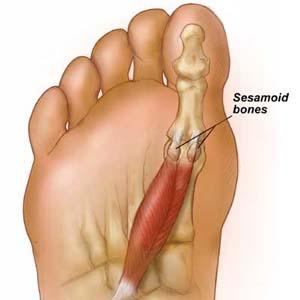
Sesamoiditis is a common yet often misunderstood condition affecting the ball of the foot, specifically involving the sesamoid bones located beneath the first metatarsal head. These two small, pea-shaped bones embedded within the flexor hallucis brevis tendon play a crucial role in weight-bearing and toe push-off during walking and running. When these bones and their surrounding structures become inflamed, the resulting condition—sesamoiditis—can cause significant pain and disability. Understanding how to properly treat this condition is essential for anyone experiencing forefoot pain.
Initial Conservative Treatment Approaches
The cornerstone of sesamoiditis treatment begins with rest and activity modification. This means temporarily reducing or eliminating activities that place excessive stress on the forefoot, particularly high-impact exercises like running, jumping, or dancing. However, rest doesn't necessarily mean complete immobilization; rather, it involves avoiding movements that aggravate the condition while maintaining overall fitness through alternative low-impact activities such as swimming or cycling.
Ice therapy serves as another fundamental treatment modality, particularly during the acute inflammatory phase. Applying ice to the affected area for 15-20 minutes several times daily can help reduce inflammation and provide pain relief. The cold constricts blood vessels, decreasing swelling and numbing the area to alleviate discomfort. Many patients find rolling their foot over a frozen water bottle particularly effective, as this combines ice therapy with gentle massage.
Non-steroidal anti-inflammatory drugs (NSAIDs) like ibuprofen or naproxen can help manage both pain and inflammation. These medications work systemically to reduce the inflammatory response throughout the body, though they should be used judiciously and under medical guidance, particularly for individuals with gastrointestinal sensitivities or other contraindications.
Footwear Modifications and Orthotic Support
Proper footwear selection plays a pivotal role in sesamoiditis management. Shoes should provide adequate cushioning, particularly in the forefoot region, and should have a wide toe box to prevent compression of the toes. High heels and shoes with minimal cushioning should be avoided, as these concentrate pressure directly on the sesamoid bones. Many podiatrists recommend shoes with a slight rocker sole design, which helps redistribute pressure away from the ball of the foot during the gait cycle.
Orthotic devices represent one of the most effective conservative treatment strategies for sesamoiditis. A sesamoid pad or dancer's pad—a small cushioned insert with a cut-out section beneath the sesamoid bones—can dramatically reduce pressure on the affected area by redistributing weight to surrounding structures. Custom orthotics prescribed by a podiatrist can provide even more targeted relief by incorporating specific accommodations for the sesamoid bones while also addressing any underlying biomechanical abnormalities such as excessive pronation or high arches that may contribute to the condition.
Some practitioners recommend taping techniques that help offload the sesamoids and limit motion of the big toe joint. While taping requires instruction from a healthcare professional to ensure proper application, it can provide significant short-term relief and may be particularly useful during the transition back to regular activities.
Physical Therapy and Stretching
Physical therapy offers multiple benefits for individuals with sesamoiditis. A physical therapist can design a comprehensive treatment program that includes stretching exercises to improve flexibility in the calf muscles, Achilles tendon, and plantar fascia. Tightness in these structures can increase forefoot loading and exacerbate sesamoid stress. Gentle stretching of the flexor hallucis longus and brevis muscles can also help reduce tension around the sesamoid bones.
Strengthening exercises targeting the intrinsic foot muscles help improve overall foot mechanics and can reduce abnormal stress patterns that contribute to sesamoiditis. These exercises might include toe curls, marble pickups, and towel scrunches. Additionally, strengthening the muscles of the lower leg and hip can improve biomechanical efficiency throughout the entire kinetic chain, reducing compensatory stress on the forefoot.
Manual therapy techniques, including soft tissue mobilization and joint mobilization, can address restrictions in foot and ankle mobility that may perpetuate the condition. Ultrasound therapy or other modalities may also be incorporated to promote healing and reduce inflammation.
Advanced Treatment Options
When conservative measures fail to provide adequate relief after several months, more aggressive interventions may be warranted. Corticosteroid injections directly into the area surrounding the sesamoid bones can provide significant anti-inflammatory benefits, though these should be used sparingly due to potential side effects including tissue weakening and the theoretical risk of bone fracture with repeated injections.
Immobilization using a walking boot or short leg cast may be recommended in stubborn cases, particularly when there's concern about stress fracture of the sesamoid bone. This allows complete rest and offloading of the affected structures, promoting healing that might not occur with continued weight-bearing.
Extracorporeal shockwave therapy (ESWT) represents an emerging treatment option that uses acoustic waves to stimulate healing in chronic soft tissue and bone conditions. While research on its effectiveness specifically for sesamoiditis remains limited, some practitioners have reported positive outcomes.
Surgical Considerations
Surgery is reserved for cases of sesamoiditis that remain refractory to extensive conservative treatment, typically after at least six months to a year of non-operative management. Sesamoidectomy—surgical removal of one or both sesamoid bones—can provide definitive relief but is not without risks. Potential complications include prolonged recovery, altered foot mechanics, and the development of hallux valgus (bunion) deformity. For this reason, surgery is considered a last resort, and patients should thoroughly discuss the risks and benefits with an experienced foot and ankle surgeon.
Final Thought
Treating sesamoiditis requires patience, persistence, and often a multifaceted approach combining rest, activity modification, appropriate footwear, orthotic support, and physical therapy. Most cases respond well to conservative treatment, though recovery can take several months. The key to successful outcomes lies in early intervention, compliance with treatment recommendations, and gradual return to activity. By understanding the various treatment options available and working closely with healthcare providers, individuals with sesamoiditis can achieve significant symptom relief and return to their desired activities.
Post Your Ad Here
Comments