Conservative Treatment of Tailor's Bunion: Padding and Footwear Solutions
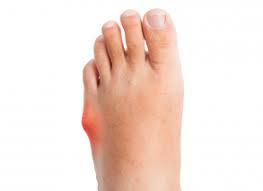
A Tailor's bunion, also known as a bunionette, is a painful prominence on the outside of the foot at the base of the fifth metatarsal bone. The condition derives its name from tailors who once sat cross-legged for extended periods, placing pressure on the outer foot. Unlike the more common bunion that affects the big toe, this condition impacts the little toe, but the discomfort and treatment principles share important similarities. While surgical intervention remains an option for severe cases, conservative management through appropriate padding and footwear modifications offers effective relief for many patients and should be the first line of treatment.
Understanding the Condition
Before exploring treatment options, it's essential to understand what causes a Tailor's bunion. The protrusion occurs due to either an enlarged fifth metatarsal head, a bowing of the fifth metatarsal bone, or a combination of both. The condition often results from biomechanical abnormalities in foot structure, hereditary factors, or prolonged pressure from tight, narrow shoes. The overlying skin may develop calluses, and the bursa—a fluid-filled sac that cushions the joint—can become inflamed, leading to bursitis. Symptoms typically include pain, swelling, redness, and difficulty wearing certain types of shoes.
The Role of Padding
Padding serves as a crucial first-line intervention for managing Tailor's bunion discomfort. The primary purpose of padding is to redistribute pressure away from the prominent fifth metatarsal head, reduce friction, and cushion the affected area during walking and standing.
Gel pads and cushions specifically designed for bunionettes are widely available and can be highly effective. These typically consist of medical-grade silicone or gel materials that fit around or over the bunion, creating a protective barrier between the bony prominence and the shoe. Some pads feature a central cutout that encircles the bunion, effectively offloading pressure while maintaining contact with surrounding areas of the foot. Others provide complete coverage with extra cushioning over the affected region.
Moleskin and felt padding offer another accessible option. These materials can be cut to custom shapes and applied directly to the foot or the inside of shoes. A common technique involves creating a donut-shaped pad with a hole in the center, positioning it so the bunion sits within the opening while the surrounding tissue receives cushioning support. This approach prevents direct contact between the prominence and footwear while distributing forces across a broader surface area.
Toe spacers and separators can also provide relief, particularly when the fifth toe drifts toward the fourth toe. These devices, typically made from gel or foam, maintain proper toe alignment and prevent the toes from rubbing against each other, which can exacerbate inflammation and pain.
For optimal results, padding should be evaluated and adjusted regularly. As swelling decreases or increases, the type and thickness of padding may need modification. Patients should inspect their skin daily when using padding to ensure no irritation, blistering, or skin breakdown occurs, particularly for those with diabetes or circulatory problems.
Footwear Modifications
While padding addresses immediate pressure concerns, appropriate footwear represents the cornerstone of long-term Tailor's bunion management. The wrong shoes can perpetuate or worsen the condition, while properly selected footwear can significantly reduce symptoms and prevent progression.
The most critical feature in footwear selection is a wide toe box. Shoes should provide ample room for the toes to spread naturally without compression. The toe box should be both wide and deep, accommodating not just the breadth of the forefoot but also any vertical prominence. Many people mistakenly purchase shoes that fit well in the heel and midfoot but compress the forefoot, unknowingly aggravating their bunionette.
Avoiding pointed or narrow shoes is paramount. Fashion footwear, particularly women's dress shoes and high heels, often feature tapering toe boxes that force the toes together, placing direct pressure on the fifth metatarsal head. Even casual shoes may have insufficient width. When shopping for shoes, patients should try them on later in the day when feet are naturally more swollen, ensuring adequate room even during periods of increased inflammation.
Shoe materials matter significantly. Soft, flexible uppers made from leather, mesh, or other pliable materials can conform to foot shape and accommodate irregularities better than rigid materials. Stretch fabrics in the toe box area can provide additional give, reducing pressure points. Some patients find success with shoes featuring adjustable closures—laces, straps, or Velcro—that allow customization of fit throughout the day as swelling fluctuates.
Athletic shoes and walking shoes often provide excellent options for Tailor's bunion sufferers due to their typically generous toe boxes, cushioned soles, and supportive construction. Many athletic shoe manufacturers now offer wide and extra-wide options specifically designed for individuals with foot deformities or width requirements.
For those requiring professional or formal footwear, specialty shoe retailers and orthopedic shoe stores can provide stylish options with therapeutic features. Some brands specialize in fashionable shoes with wide toe boxes and accommodative designs. Custom-made shoes, while more expensive, represent an option for individuals with particularly difficult-to-fit feet or those who have not found relief with over-the-counter solutions.
Shoe stretching offers another modification avenue. Professional cobblers can stretch shoes in specific areas to accommodate bunionettes, creating extra room precisely where needed. Home stretching devices are also available, though professional stretching typically yields superior, longer-lasting results.
Combining Approaches
The most effective conservative management combines multiple strategies. Using padding within properly fitted shoes provides dual benefits: the padding protects the bunion while appropriate footwear prevents the pressure that caused problems initially. Additionally, patients should consider orthotic inserts that address any underlying biomechanical issues contributing to the bunionette formation, such as excessive pronation or supination.
Conservative treatment through padding and footwear modifications requires patience and commitment. While these interventions may not eliminate the structural deformity, they can substantially reduce pain, prevent progression, and allow individuals to maintain active, comfortable lives without surgical intervention. For many patients, these simple yet effective measures provide all the relief needed to manage their Tailor's bunion successfully.
Post Your Ad Here
Comments