The Role of Cushioning Insoles in Managing Foot Pain
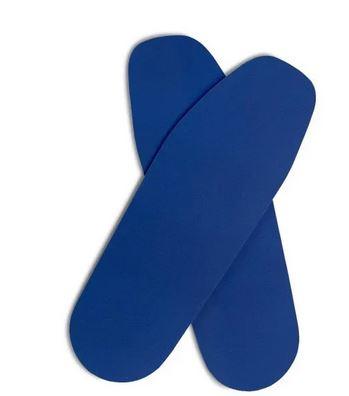
Foot pain affects millions of people worldwide, impacting their mobility, quality of life, and ability to perform daily activities. Among the various interventions available, cushioning insoles have emerged as a popular and accessible solution for managing discomfort associated with prolonged standing, walking, and various foot conditions. These therapeutic devices, also known as cushioned inserts or footbeds, are designed to provide additional support and shock absorption within footwear, potentially alleviating pain and preventing further injury.
Cushioning insoles work through several biomechanical mechanisms. Primarily, they distribute pressure more evenly across the plantar surface of the foot, reducing concentrated stress on specific areas that might otherwise become painful. When walking or standing, the foot experiences repetitive impact forces that can strain tissues, joints, and bones. Quality cushioning insoles absorb a portion of this shock, decreasing the load transmitted through the lower extremities. Additionally, these inserts can provide arch support, helping to maintain proper foot alignment and reducing strain on the plantar fascia, the thick band of tissue connecting the heel to the toes.
The materials used in cushioning insoles vary significantly and influence their effectiveness for different conditions. Common materials include ethylene-vinyl acetate (EVA) foam, polyurethane foam, gel, memory foam, and cork. EVA foam is lightweight and provides moderate cushioning while maintaining some durability. Gel insoles offer excellent shock absorption and are particularly effective for heel pain, though they may be heavier and less breathable. Memory foam molds to the individual contours of the foot, providing personalized cushioning that adapts to pressure points. Each material has distinct properties regarding durability, shock absorption, heat retention, and support characteristics, making material selection an important consideration based on individual needs and foot conditions.
Cushioning insoles can be particularly beneficial for several common foot conditions. Plantar fasciitis, one of the most prevalent causes of heel pain, often responds well to cushioned insoles that provide arch support and heel cushioning. The additional support helps reduce tension on the plantar fascia, especially during the first steps in the morning when pain is typically most severe. For metatarsalgia, characterized by pain and inflammation in the ball of the foot, cushioning insoles with metatarsal pads can redistribute pressure away from painful areas. Individuals with flat feet or fallen arches may find relief through insoles that provide both cushioning and structured arch support, helping to maintain proper foot mechanics during movement.
People who spend extended periods on their feet for occupational reasons often benefit significantly from cushioning insoles. Healthcare workers, retail employees, teachers, and hospitality staff frequently experience foot fatigue and pain due to prolonged standing on hard surfaces. Cushioned insoles can reduce fatigue by minimizing the cumulative stress on foot structures throughout long shifts. Athletes and recreational exercisers also commonly use cushioning insoles to enhance comfort during high-impact activities and reduce the risk of overuse injuries. The shock-absorbing properties of these insoles can be particularly valuable for runners and those participating in activities involving repetitive jumping or rapid directional changes.
However, cushioning insoles are not a universal solution for all types of foot pain. Their effectiveness depends on the underlying cause of discomfort, the quality of the insole, and whether they are appropriately matched to the individual's foot structure and activity level. For some conditions, particularly those involving biomechanical abnormalities or structural deformities, custom orthotic devices prescribed by a podiatrist or orthopedic specialist may be more appropriate than over-the-counter cushioned insoles. Custom orthotics are fabricated based on detailed assessments and molds of an individual's feet, providing precise corrections that generic cushioned insoles cannot offer.
When selecting cushioning insoles, several factors warrant consideration. The thickness of the insole must be compatible with existing footwear, as overly thick inserts may cause the foot to sit too high in the shoe, creating pressure points or instability. The level of arch support should match the individual's foot type, with higher arches generally requiring more substantial support than low or neutral arches. The intended activity also influences selection, as insoles designed for athletic activities often differ from those intended for casual or occupational use. Additionally, individuals should consider whether they need full-length insoles or three-quarter-length versions, which end before the toes and may fit better in certain shoe styles.
Proper implementation and realistic expectations are essential for success with cushioning insoles. New insoles often require a break-in period, during which the foot adapts to the altered support and cushioning. Some individuals may experience temporary discomfort as their feet adjust to different pressure distribution patterns. It is generally advisable to gradually increase wearing time rather than immediately using new insoles for extended periods. Furthermore, cushioning insoles have a limited lifespan and require periodic replacement as materials compress and lose their shock-absorbing properties over time.
While cushioning insoles can provide significant relief for many individuals experiencing foot pain, they should be viewed as one component of a comprehensive approach to foot health. Proper footwear selection, maintaining a healthy body weight, performing appropriate stretching and strengthening exercises, and addressing underlying medical conditions all contribute to optimal foot health. For persistent or severe foot pain, consultation with a healthcare professional is essential to ensure accurate diagnosis and appropriate treatment.
Cushioning insoles represent a valuable, accessible intervention for managing various types of foot pain. Through shock absorption, pressure redistribution, and enhanced support, these devices can improve comfort, reduce fatigue, and potentially prevent injury for many individuals. Understanding the mechanisms by which cushioning insoles work, selecting appropriate materials and designs for specific needs, and integrating them into a broader foot health strategy can maximize their therapeutic benefits and contribute to improved mobility and quality of life.
Post Your Ad Here
Comments