Lowering the Real Cost per Part in Sheet Metal Laser Cutting: Gas, Consumables, Workflow, and Preventive Maintenance
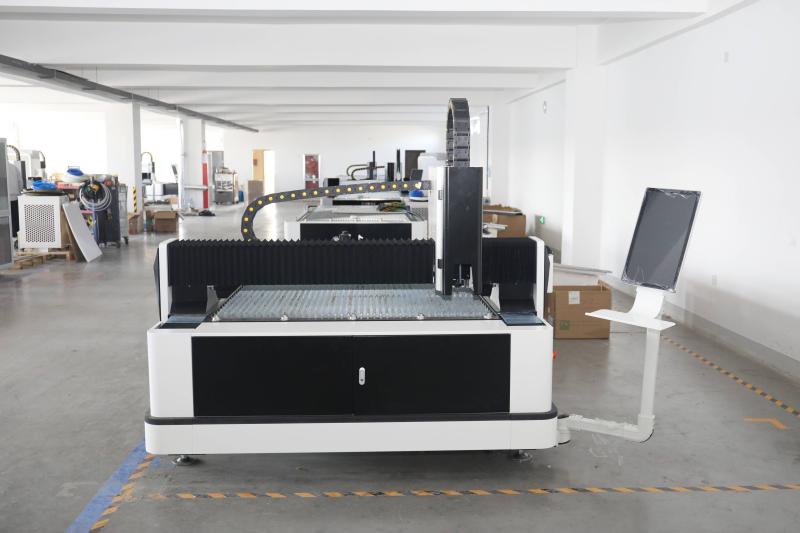
Buying a sheet metal laser cutting machine is a big decision, but the purchase price is only the beginning. After the machine is installed, what determines your profit is the real cost per part—how much you spend (and how much time you lose) every day to produce a finished, acceptable part.
Many shops discover this too late: two machines can look similar on paper, but one produces parts with lower daily friction—fewer stoppages, more stable edges, less rework, and less waste. Over 6–24 months, that difference is often larger than the original price gap.
This article explains, in plain English, how to reduce the total cost of sheet metal laser cutting—without complicated theory. The principles apply to most fiber laser cutters, whether you are running a value-oriented production platform like the LF3015EPRO, a mainstream enclosed production setup, or exploring broader options across a full product line overview like this fiber laser cutting machines section.

First, Understand “Cost per Part” (Simple Formula)
A practical way to think about laser cutting cost is:
Cost per part = (Machine time + Labor time + Consumables + Gas + Electricity + Scrap/Rework) ÷ Good parts shipped
Shops often focus only on machine time (“How fast can it cut?”), but in real production, the hidden killers are:
Waiting time (loading/unloading, sorting, sheet changes, program setup)
Quality drift (edge burr, burn marks, poor holes, inconsistent piercing)
Consumable issues (nozzle wear, protective lens contamination)
Gas waste (wrong settings, leaks, using expensive gas when not needed)
Rework (grinding, cleaning, re-cutting parts)
If you reduce those, your cost per part drops immediately—even if your cutting speed stays the same.
Gas Strategy: The Most Common “Quiet Expense”
Assist gas can be one of the biggest monthly costs, especially for stainless steel and aluminum.
Here is the plain-English view:
Oxygen is commonly used for mild steel (especially thicker). It can cut fast and is often cheaper, but it typically leaves an oxide layer on the edge.
Nitrogen is commonly used for stainless and aluminum when you want clean, bright edges. It often costs more than oxygen, so controlling usage matters a lot.
Air is sometimes used for thinner materials or cost-focused work, but you need stable settings and realistic expectations on edge appearance.
How to cut gas cost without sacrificing quality
Match gas to the job requirement
If a part will be welded and cleaned anyway, you may not need the “perfect” cosmetic edge. If it is a visible part, you do.Control pressure and flow like a production parameter, not a guess
Many shops waste gas simply because settings are not standardized. You want a “known good” baseline for each material/thickness.Stop treating cutting as “one setting for everything”
Different thickness, different nozzle, different speed, different gas. When shops force one recipe, they pay for it with burr, spatter, and wasted gas.
Consumables: Small Parts That Cause Big Downtime
Consumables are not just a cost item—they are a downtime item. If your nozzle or protective lens is not in good condition, you lose time in three ways:
quality issues (rework or scrap)
operator troubleshooting time
unplanned stops
The simple consumables discipline that saves money
Inspect and clean on a schedule (not only when problems happen)
Replace before failure for high-volume production materials
Keep spares ready so a small part doesn’t stop production for hours
A good machine can still perform poorly if consumables are treated casually.
This is also where “long-term ownership thinking” matters. Many shops prefer a platform direction that emphasizes stable ownership, structured support, and core component assurance—because it reduces the risk of expensive surprises. If that is a priority for you, it is worth reviewing a model direction like GAⅢ and comparing how it fits into your long-term operating plan.
Workflow: Your Laser Can Be Fast While Your Production Is Slow
It is possible for a machine to be “high speed” while your shop output is still low. Why? Because your real bottleneck is often workflow:
How long does it take to stage the next sheet?
How long does unloading and sorting take?
Does the operator stop cutting to do other tasks?
Are programs and nests ready, or created under pressure?
Is scrap removed quickly, or does it block the process?
Easy workflow fixes that usually pay back fast
Standardize sheet staging
A clear “next sheets ready” area reduces waiting time.Separate cutting from sorting (when possible)
If one person cuts and another sorts/labels, the machine stays running more consistently.Use a simple job packet
Program name, material, thickness, gas type, nozzle, and a quick note for special features. This avoids “operator memory” being the process.
Even a budget-friendly platform like the LF3015EPRO can perform very well when workflow is clean. On the other hand, a premium machine in a messy workflow will still waste hours.
Parameter Stability: Speed Is Not Profit If Quality Is Unstable
Many shops chase speed first. But in production, the fastest setting is often not the most profitable setting. Why?
Too fast can cause incomplete cut-through, edge roughness, or missed features.
Too slow can create heat buildup, more burr, wider kerf effects, or distortion on thin sheet.
Unstable piercing is a major source of scrap and “mystery failures.”
The “production rule” that reduces scrap
Optimize for stable quality first, then increase speed carefully.
In many shops, a 5–10% slower program that runs all day without scrap is more profitable than a faster program that causes stops and rework.
Preventive Maintenance: Small Habits That Prevent Big Losses
Preventive maintenance sounds boring, but it is one of the highest ROI habits you can build.
A simple, practical schedule:
Daily (5–10 minutes)
Check nozzle condition and seating
Wipe exposed optics areas safely (per manufacturer guidance)
Confirm air/gas supply stability and abnormal leaks/noise
Clean the cutting area enough to avoid buildup issues
Weekly
Check alignment basics (as recommended)
Inspect filters, extraction performance, chiller condition
Review “bad cut” logs and link them to causes (nozzle/gas/material batch)
Monthly
Audit consumable usage vs output
Standardize best parameter sets for top materials
Review downtime causes and remove the top 1–2 recurring issues
These routines are not complicated. The key is consistency.
The Most Common Mistake: Treating a Laser Like a “One-Time Purchase”
A laser cutter is not like a hand tool. It is a production system. The most successful owners treat it like a process:
machine choice + workflow + training + maintenance + standard recipes
When you evaluate models across a broader portfolio like this fiber laser cutting machines range, do not only compare cutting specs. Compare how each option supports your daily production reality:
training speed
process stability
ownership support
consumable management
downtime risk
Closing: The Cheapest Cut Is the Stable Cut
Lowering cost per part is not about one magical setting. It is about removing daily friction:
choose the right gas strategy
treat consumables as uptime tools, not afterthoughts
fix workflow bottlenecks
standardize stable parameters
maintain on schedule
Post Your Ad Here
Comments