Best Budget Sheet Metal Laser Cutters for Small Shops
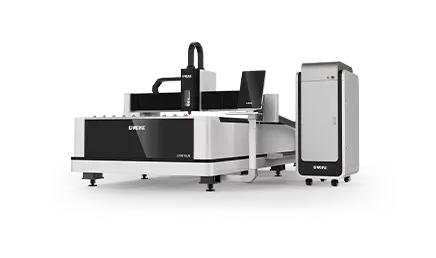
When a small or growing fabrication shop starts shopping for a sheet metal laser cutting machine, the first instinct is often: “Let’s get the cheapest one that can cut our material.” That sounds reasonable—until you realize the real cost is not only the purchase price. The real cost is what happens every day after installation: loading time, operator safety, smoke control, stability on your main thickness, and how many hours you lose to “small problems” that add up.
This article is written for practical buyers—job shops, small manufacturers, and workshops that cut mild steel, stainless steel, and aluminum on a regular basis. We will compare three common “value” directions and explain who each one is best for:
A budget-friendly, production-focused single-table solution (E PRO)
A compact fully enclosed configuration designed for safer, cleaner operation (P Series)
The goal is simple: pick the machine that delivers the lowest cost per part for your real workload, not the lowest invoice number.
Step One: Define Your Shop Type
Before you compare models, classify your shop into one of these types:
Type A: Prototyping + small batches
You do frequent job changes, many drawings, and short runs. Flexibility matters more than maximum speed.
Type B: Mixed jobs, but steady output
You handle a mix of custom and repeat jobs, but you still want reliable daily throughput.
Type C: Batch production with limited labor
Your bottleneck is often loading/unloading time, and you need stable cycle time even with a small team.
Why does this matter? Because “best value” is different for each type. A machine that is perfect for Type A can be the wrong choice for Type C.
The Three “Value Paths” for Budget-Conscious Buyers
In most markets, budget-focused buyers end up choosing one of these three paths:
Single-table, value-optimized production machine
This is the classic “payback first” direction: keep the structure simple, focus on stable cutting for core thickness, and control ownership cost. A typical example in this category is the E PRO Series single-table machine such as the one shown at LF3015EPRO.Entry-level single-table machine for SMEs
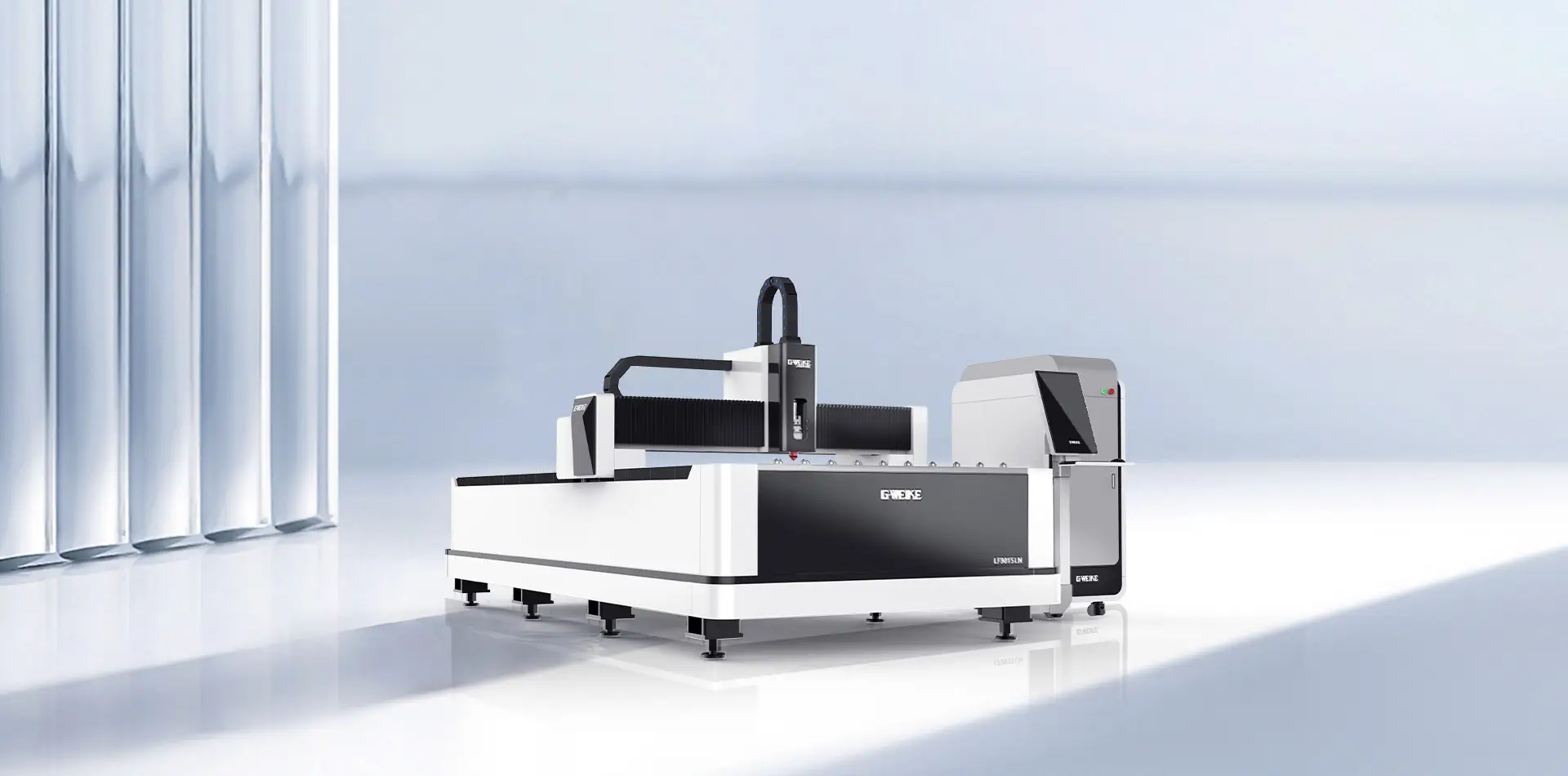
This is often chosen by first-time laser buyers who want a straightforward platform that covers normal sheet metal work without overcomplicating the configuration. A representative model is LF3015LN, which is commonly positioned for small and medium enterprises.Compact fully enclosed machine (cleaner, safer workflow)
This path is for shops that prioritize safety, smoke control, and operator comfort—especially if the machine will be placed close to other work areas. A compact enclosed design with a pull-out platform, like the LF3015P configuration, is a typical direction here.
In the next sections, we will translate these into practical “choose this if…” decisions.
E PRO Series: Best for ROI-First Shops
If your goal is: “I need to start cutting parts, keep costs controlled, and recover investment quickly,” then a value-optimized single-table direction is often the best starting point.
A common example is the E PRO series approach represented by LF3015EPRO, which is designed as a practical production platform while keeping the system straightforward.
Choose this direction if you:
Are budget sensitive, but still need stable quality for daily work
Cut typical thin to medium sheets most of the time
Have operators who can handle manual loading and you are not chasing maximum automation yet
Want a machine that can fit into a standard job-shop workflow
What you give up (compared to higher configurations):
Loading/unloading time is still manual, and the machine waits during sheet changes
If you move into heavier batch production, the “waiting time” becomes real throughput loss
Best match shop type: Type A and Type B
LN Series: Best for First-Time Buyers Who Want a Straightforward Entry Platform
If you are buying your first fiber laser cutter and you want the simplest path to stable operation, an entry-level SME-oriented machine can be a very reasonable choice.
A typical example is LF3015LN, often chosen when the buyer wants a clean configuration without too many “extra layers” in the decision process.
Choose this direction if you:
Are new to laser cutting and want a machine that is easy to understand and run
Need to cover common sheet metal work with stable daily performance
Want predictable maintenance and a simple learning curve
Are fine with single-table workflow and manual sheet handling
What to watch for:
If your shop grows into Type C (batch output with limited labor), you may feel the loading and smoke-control pressure sooner
If safety and smoke extraction are major concerns, you may prefer an enclosed path
Best match shop type: Type A and Type B, especially first-time buyers
P Series (Compact Enclosed): Best When Safety, Smoke, and Clean Operation Matter
Now consider this situation: your laser cutter is placed close to other workers, assembly areas, or offices—or your local requirements and customer audits push you toward cleaner operation. In that case, a compact enclosed machine can be worth the extra investment.
A representative direction is the enclosed pull-out table configuration like LF3015P.
Choose this direction if you:
Want improved operator safety and a more controlled cutting environment
Care about smoke/dust containment because of your shop layout
Prefer a cleaner day-to-day workflow with less “open cutting area” exposure
Need something compact and practical for limited floor space
What you give up:
Compared to exchange-table production machines, a compact enclosed machine may not match the highest throughput per hour (depending on configuration and workflow)
Initial investment can be higher than the most basic open single-table setups
Best match shop type: Type B and Type C (especially with limited labor and tighter shop environments)
A Simple Comparison
Here is a simple way to decide without getting lost in technical arguments.
If your biggest problem is budget and you need fast payback:
Go for the “value-optimized single-table” direction like LF3015EPRO.
If you are new to laser cutting and want a stable, straightforward platform:
An SME entry configuration like LF3015LN is often the easiest path.
If your shop cares about safety, smoke control, and clean operation:
A compact enclosed configuration like LF3015P can be the smartest long-term decision.
The Most Common “Hidden Costs” Small Shops Forget
No matter which direction you choose, small shops often underestimate these costs:
Downtime caused by workflow
If loading takes longer than expected, your machine “sits” instead of cutting.Gas and consumables
If you cut stainless and want clean edges, nitrogen usage becomes a real monthly cost.Operator learning curve
A machine that is easy to run is not just convenience—it is stability, quality, and fewer mistakes.Smoke and dust management
This affects worker comfort, cleaning time, and sometimes local compliance.
These are not “optional details.” They decide whether you feel satisfied or regretful after 3–6 months of ownership.
A Copy-Paste Checklist for Vendors (Budget Shop Version)
If you want to compare quotes properly, send vendors these questions:
What is the recommended configuration for our main thickness and materials?
What is the expected daily throughput for our typical parts?
What is the smoke/dust extraction plan and how does it affect shop layout?
What are the fast-wear consumables and typical replacement frequency?
How long does it take for operators to produce stable parts after training?
Closing: Pick the Machine That Fits Your Shop Reality
The best “budget” sheet metal laser cutter is not the cheapest machine. It is the one that matches:
your main materials and thickness,
your production style (prototype vs batch),
your labor constraints,
and your safety/cleanliness expectations.
Post Your Ad Here
Comments