The Role of Arch Supports in Managing Foot Pain
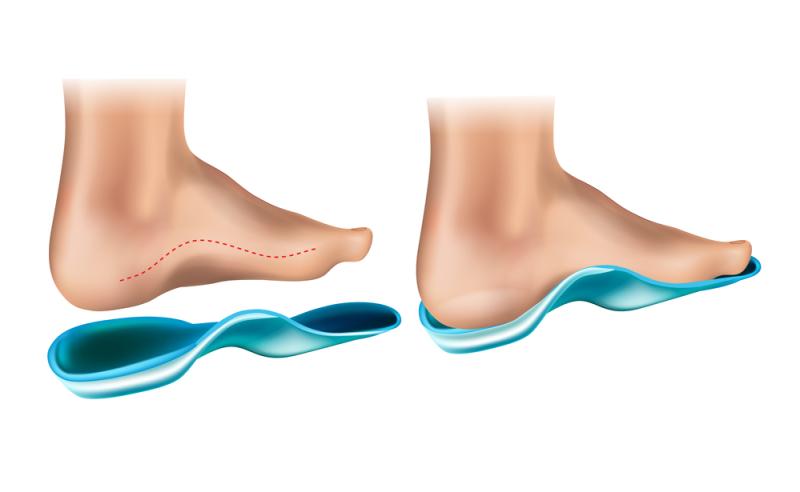
Foot pain is one of the most common musculoskeletal complaints, affecting millions of people worldwide and significantly impacting quality of life, mobility, and daily function. Among the various treatment modalities available, arch supports—also known as orthotic inserts or shoe inserts—have emerged as a popular and widely recommended intervention. These devices, which range from simple over-the-counter cushions to custom-molded prescription orthotics, aim to redistribute pressure, correct biomechanical abnormalities, and provide structural support to the foot's complex architecture. Understanding how arch supports work, when they are appropriate, and what evidence supports their use is essential for anyone experiencing foot discomfort.
Understanding Foot Anatomy and Arch Function
The human foot contains 26 bones, 33 joints, and more than 100 muscles, tendons, and ligaments working in concert to support body weight, absorb shock, and facilitate movement. The arch of the foot—comprising the medial longitudinal arch, lateral longitudinal arch, and transverse arch—functions as a natural shock absorber and spring mechanism during walking and running. This architectural marvel distributes forces throughout the foot and lower extremity, allowing for efficient propulsion and adaptation to various terrains.
When the arch structure fails to function optimally, whether due to hereditary factors, injury, overuse, or degenerative changes, painful conditions can develop. Flat feet (pes planus) occur when the medial arch collapses, while high arches (pes cavus) create excessive rigidity. Both conditions can lead to abnormal stress distribution, muscle fatigue, and compensatory problems extending up the kinetic chain to the ankles, knees, hips, and even the lower back.
Common Conditions Treated with Arch Supports
Arch supports are frequently prescribed or recommended for several specific foot conditions. Plantar fasciitis, perhaps the most common cause of heel pain, involves inflammation or degeneration of the plantar fascia—the thick band of tissue connecting the heel to the toes. Arch supports can reduce strain on this structure by preventing excessive arch collapse and providing cushioning.
Posterior tibial tendon dysfunction, which can lead to acquired flatfoot deformity in adults, often benefits from arch support to reduce stress on the weakened tendon. Metatarsalgia, characterized by pain in the ball of the foot, may improve with supports that redistribute pressure away from the metatarsal heads. Other conditions including overpronation, supination abnormalities, arthritis-related foot pain, and general fatigue from prolonged standing can also potentially benefit from appropriate arch support interventions.
Types of Arch Supports
Arch supports exist along a spectrum of customization and sophistication. Over-the-counter inserts represent the most accessible option, available at pharmacies and sporting goods stores without prescription. These prefabricated devices come in various arch heights and firmness levels, typically made from foam, gel, or semi-rigid materials. While affordable and immediately available, they offer limited individualization and may not address specific biomechanical problems.
Prefabricated orthotics represent a middle ground, offering more sophisticated designs based on common foot types but still available without custom fitting. Heat-moldable inserts can be shaped somewhat to individual foot contours, providing modest customization.
Custom orthotics, prescribed by podiatrists, orthopedic surgeons, or physical therapists, represent the most individualized approach. These devices are fabricated from casts or digital scans of the patient's feet and constructed to address specific biomechanical abnormalities. Custom orthotics can be made from various materials—ranging from rigid plastics for maximum control to softer accommodative materials for cushioning—depending on the clinical indication.
Evidence for Effectiveness
The scientific evidence supporting arch supports shows mixed but generally positive results. Multiple systematic reviews have found that foot orthoses can provide meaningful pain reduction and functional improvement for plantar fasciitis, particularly when combined with stretching exercises. Studies suggest that both prefabricated and custom orthotics can be effective, though custom devices may offer advantages for complex cases or when over-the-counter options have failed.
For flat feet and overpronation, research indicates that arch supports can improve foot alignment and reduce excessive motion during gait. However, the relationship between biomechanical changes and symptom relief is not always straightforward—some individuals experience pain reduction without significant biomechanical correction, suggesting that factors like cushioning and sensory feedback may also play important roles.
The evidence is more limited for certain other conditions. For metatarsalgia, orthotic devices with metatarsal pads can help redistribute pressure, though high-quality controlled trials are relatively scarce. For generalized foot fatigue in workers who stand for extended periods, supportive insoles show modest benefits in some studies.
Considerations and Limitations
While arch supports offer benefits for many individuals, they are not a universal solution. Proper fitting is crucial—poorly fitted devices can create new pressure points or exacerbate existing problems. Many clinicians recommend a break-in period, gradually increasing wearing time to allow adaptation. Arch supports must also be used in appropriate footwear with adequate depth and width to accommodate the insert without creating excessive tightness.
Cost represents another consideration, particularly for custom orthotics, which can range from several hundred to over a thousand dollars. Insurance coverage varies widely, and many patients must weigh expense against potential benefit. The longevity of arch supports varies based on materials and usage patterns, with replacements typically needed every one to five years.
Furthermore, arch supports address symptoms rather than underlying causes in many cases. Complementary interventions—including stretching programs, strengthening exercises, proper footwear selection, weight management, and activity modification—often enhance outcomes. Some experts argue that excessive reliance on arch supports might lead to foot muscle weakness, though research on this topic remains inconclusive.
The take home
Arch supports represent a valuable tool in the management of various foot pain conditions, offering benefits ranging from pain reduction and improved function to correction of biomechanical abnormalities. The spectrum of available options allows for individualized approaches based on condition severity, budget, and patient preferences. While not appropriate for every case of foot pain, and most effective when integrated into comprehensive treatment plans, arch supports have helped countless individuals return to comfortable, active lives. Anyone experiencing persistent foot pain should consult with a healthcare provider to determine whether arch supports might be beneficial and, if so, which type would be most appropriate for their specific situation.
Post Your Ad Here
Comments