How Long Do You Need to Wear a Bunion Corrector For?
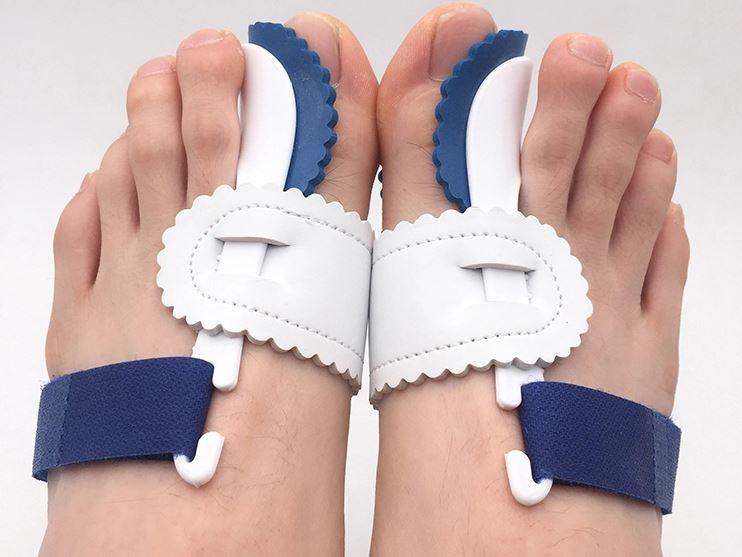
Bunions, medically known as hallux valgus, are progressive foot deformities that affect millions of people worldwide. The bony bump that forms at the base of the big toe can cause significant discomfort, pain, and difficulty finding comfortable footwear. Many people turn to bunion correctors as a non-surgical solution, but one of the most common questions is: how long do these devices need to be worn to see results?
Understanding Bunion Correctors
Before discussing duration, it's important to understand what bunion correctors are and how they work. These devices come in various forms, including splints, toe spacers, sleeves, and braces. They're designed to realign the big toe, reduce pressure on the bunion joint, and potentially slow the progression of the deformity. Some are rigid and meant for nighttime use, while others are flexible enough to wear during daily activities or inside shoes.
The fundamental principle behind bunion correctors is gentle, consistent pressure that encourages the toe to move back toward its natural alignment. However, it's crucial to have realistic expectations. While these devices can provide pain relief and may slow progression, they cannot reverse a bunion once the bone has significantly shifted. For established bunions, only surgery can truly correct the structural deformity.
Initial Adjustment Period
When you first start using a bunion corrector, you'll need an adjustment period of about one to two weeks. During this time, wear the device for shorter intervals, perhaps starting with just thirty minutes to an hour per day. This allows your foot to acclimate to the new position and helps you identify any areas of excessive pressure or discomfort.
Many people experience some initial discomfort when beginning bunion corrector use. This is normal, as your foot is being encouraged into a different position than it's accustomed to. However, the device should never cause sharp pain. If you experience significant pain, the corrector may be too tight, improperly positioned, or not the right type for your specific condition.
Long-Term Wearing Schedule
Once you've completed the adjustment period, the general recommendation is to wear bunion correctors for several hours daily, with many experts suggesting a minimum of three to six months of consistent use before evaluating effectiveness. For nighttime splints, wearing them throughout the night, every night, is typically advised. These rigid devices work while you sleep, when your foot is relaxed and not bearing weight.
For daytime correctors that fit inside shoes, the duration depends on your daily activities and comfort level. Some people can comfortably wear them for eight to ten hours, while others may need to limit use to four to six hours initially. The key is consistency rather than marathon wearing sessions. Regular, daily use is far more effective than sporadic, lengthy applications.
Factors Affecting Duration
Several factors influence how long you'll need to wear a bunion corrector. The severity of your bunion plays a significant role. Mild bunions may respond more quickly to corrective devices, potentially showing improvement within three to six months. Moderate to severe bunions require longer commitment, often six months to a year or more of consistent use.
Your age and the flexibility of your joints also matter. Younger individuals with more flexible joints may see faster results than older adults whose joints have become stiffer over time. Additionally, the underlying cause of your bunion affects treatment duration. If your bunion resulted from poor footwear choices, combining the corrector with better shoes may accelerate improvement.
Your commitment to the treatment regimen is perhaps the most critical factor. Bunion correctors only work if you actually wear them. Missing days or weeks of use significantly diminishes their effectiveness. Think of it like orthodontic braces—the consistent pressure over time creates the change, not intermittent use.
What to Expect Over Time
During the first month of consistent use, most people notice reduced pain and inflammation around the bunion joint. The device helps redistribute pressure and may decrease the irritation caused by footwear rubbing against the bump. This pain relief is often the first tangible benefit people experience.
After three months of regular use, some individuals report slight improvements in toe alignment, particularly if the bunion is mild and caught early. The big toe may appear straighter, and the bunion bump may seem less prominent. However, these changes are typically subtle rather than dramatic.
By six months, you should have a clear sense of whether the bunion corrector is helping your specific situation. If you've experienced sustained pain relief and no progression of the deformity, continuing use is worthwhile. If you've seen no improvement whatsoever, it may be time to consult with a podiatrist about other treatment options.
Long-Term Maintenance
For many people, bunion correctors become a long-term management tool rather than a cure. Even after achieving maximum benefit, continuing to wear the device several times per week can help maintain improvements and prevent further progression. Think of it as maintenance therapy, similar to wearing a retainer after orthodontic treatment.
Some individuals wear nighttime splints indefinitely, finding that this practice keeps their bunion pain under control and prevents the condition from worsening. This is particularly true for people with genetic predisposition to bunions or those whose occupations or activities place stress on their feet.
The answer to how long you need to wear a bunion corrector isn't one-size-fits-all. A minimum commitment of three to six months of daily, consistent use is necessary to evaluate effectiveness properly. Many people benefit from long-term or even indefinite use as part of their bunion management strategy. The key is setting realistic expectations, maintaining consistency, and combining corrector use with proper footwear and other preventive measures. If conservative treatments aren't providing adequate relief, consulting with a medical professional about surgical options may be necessary.

Post Your Ad Here
Comments