The Therapeutic Use of Shoe Stretchers in Addressing Foot Problems
Foot discomfort affects millions of people worldwide, ranging from minor irritations to debilitating conditions that significantly impact quality of life. While medical interventions and specialized footwear often dominate discussions of foot care, a simpler and more accessible tool—the shoe stretcher—offers practical relief for various foot-related issues. Understanding how shoe stretchers work and their applications in treating foot problems reveals their value as both a preventive measure and a therapeutic aid.
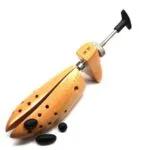
Shoe stretchers are mechanical devices designed to expand footwear in targeted areas, creating additional space within the shoe's interior. These tools typically consist of wooden or plastic forms shaped like feet, equipped with adjustable mechanisms that allow for controlled expansion. Some models include bunion plugs, corn pads, or other attachments that create localized stretching in specific pressure points. While their primary purpose appears straightforward, their therapeutic applications extend far beyond simple comfort, addressing legitimate medical concerns that arise from ill-fitting footwear.
The connection between improperly fitted shoes and foot problems is well-established in podiatric literature. Tight shoes compress the toes, restrict natural foot movement, and create friction points that lead to various pathologies. Bunions, hammertoes, corns, calluses, and neuromas frequently develop or worsen when shoes fail to accommodate the foot's natural shape and biomechanics. For individuals with these conditions, shoe stretchers provide a non-invasive method to modify existing footwear, potentially avoiding the expense of custom shoes or the risks associated with surgical interventions.
Bunions represent one of the most common foot deformities where shoe stretchers demonstrate clear therapeutic benefit. This condition, characterized by a bony protrusion at the base of the big toe, causes the toe to angle toward the other toes, creating a widened forefoot. Conventional footwear often exacerbates bunion pain by applying direct pressure to the prominence. Shoe stretchers equipped with bunion attachments can expand the shoe's toe box precisely where the bunion protrudes, eliminating this pressure point. While stretchers cannot correct the underlying skeletal deformity, they effectively manage symptoms and prevent progression by reducing mechanical stress on the affected joint.
Similarly, individuals suffering from hammertoes—a condition where toes bend abnormally at the middle joint—benefit from targeted shoe stretching. The deformed toes require additional vertical space within the toe box to prevent rubbing against the shoe's upper material. Standard shoe stretchers with height-adjustment capabilities can create this necessary clearance, reducing friction that leads to painful corns on the top of the affected toes. This modification proves particularly valuable for individuals who have developed fixed hammertoe deformities but wish to continue wearing their existing shoe collection.
Morton's neuroma, a painful condition involving thickening of nerve tissue between the toes, responds favorably to shoe modifications that reduce pressure on the forefoot. The condition typically develops between the third and fourth toes and worsens with compression. By using a shoe stretcher to widen the forefoot region, patients can alleviate the squeezing action that aggravates the neuroma. Many podiatrists recommend this approach as part of conservative treatment protocols before considering more invasive options like corticosteroid injections or surgical excision.
Patients with diabetes face unique challenges regarding foot health, as peripheral neuropathy reduces their ability to feel pressure points and minor injuries. This diminished sensation means that tight shoes can cause significant damage before the wearer notices discomfort. For diabetic individuals, properly fitted footwear is not merely about comfort—it's a critical component of preventing ulcers and infections that can lead to serious complications. Shoe stretchers allow these patients to customize their footwear to eliminate pressure points, creating a safer environment for their vulnerable feet. This preventive measure aligns with diabetic foot care guidelines that emphasize protective footwear as essential for reducing amputation risk.
People with arthritis affecting the feet encounter similar benefits from shoe stretchers. Arthritic joints often become swollen and tender, particularly during disease flares. Shoes that fit comfortably during periods of remission may become intolerably tight when inflammation increases. Rather than maintaining multiple shoe wardrobes for different symptom levels, individuals can use stretchers to temporarily expand shoes during flare-ups, then allow them to return to their normal size as swelling subsides. This flexibility proves especially valuable for individuals managing chronic inflammatory conditions.
The application of shoe stretchers extends beyond treating established conditions to preventing foot problems from developing. Many people purchase shoes that fit adequately in the store but become uncomfortable after extended wear, as feet naturally swell throughout the day. Breaking in new leather shoes traditionally involved enduring painful blisters and pressure points until the material gradually conformed to the foot. Shoe stretchers expedite this process, pre-stretching the material to accommodate the foot's shape without the intermediate suffering. This preventive approach reduces the risk of developing corns, calluses, and blisters that can become infected or chronically painful.
However, shoe stretchers have limitations that warrant consideration. They cannot address all fit issues—shoes that are too short, for instance, cannot be lengthened effectively. Synthetic materials may resist stretching or return to their original shape, limiting the tool's effectiveness with certain footwear types. Additionally, excessive stretching can compromise a shoe's structural integrity, potentially reducing support and stability. Users must exercise judgment in determining when stretching is appropriate versus when replacement footwear is necessary.
The proper technique for using shoe stretchers maximizes their therapeutic benefit. Gradual expansion over multiple sessions proves more effective than aggressive immediate stretching, which can damage shoes or create uneven expansion. Applying stretching sprays or leather conditioning agents enhances material flexibility, improving results. For medical conditions, consulting with a podiatrist ensures that shoe modifications complement rather than conflict with other treatment approaches.
Shoe stretchers represent an underutilized therapeutic tool in managing various foot problems. Their ability to customize footwear fit addresses the mechanical causes of many common conditions, providing relief without medication or surgery. While not appropriate for every situation, these devices offer an accessible, cost-effective option for individuals seeking to improve foot comfort and health. As awareness grows regarding the connection between proper footwear fit and foot health, shoe stretchers deserve recognition as valuable instruments in the broader toolkit of foot care management.
Post Your Ad Here
Comments