Healing Cracked Heels: A Guide to Cream-Based Treatment
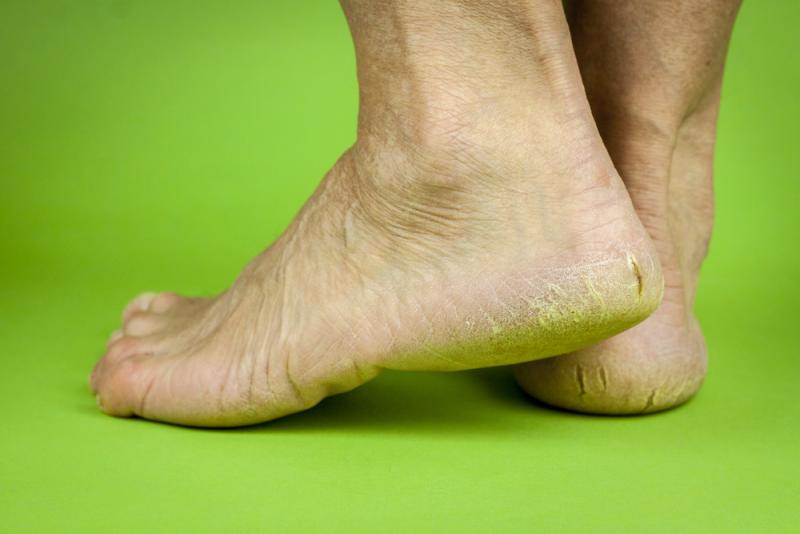
Cracked heels are a common dermatological concern that affects millions of people worldwide, transcending age, gender, and geographic boundaries. While often dismissed as merely a cosmetic issue, severely cracked heels can cause discomfort, pain, and even lead to infections if left untreated. The primary solution for this condition lies in the consistent application of specialized creams designed to moisturize, heal, and protect the delicate skin around the heels. Understanding how these creams work, which ingredients to look for, and how to apply them properly can transform rough, painful heels into smooth, healthy skin.
The heel area is particularly susceptible to dryness and cracking due to several physiological factors. Unlike other parts of the body, the skin on the heels is naturally thicker and contains fewer oil glands, making it prone to losing moisture. When we walk, stand, or bear weight on our feet, the fat pad under the heel expands sideways. If the skin lacks adequate moisture and flexibility, this pressure causes the skin to crack, sometimes deeply enough to cause bleeding and pain. Environmental factors such as prolonged standing, wearing open-backed shoes, exposure to harsh weather, and even certain medical conditions like diabetes or thyroid disease can exacerbate this problem.
Therapeutic creams for cracked heels work through multiple mechanisms to restore skin health. The most effective formulations contain powerful humectants, which are ingredients that draw moisture from the environment and deeper skin layers to the surface. Urea is perhaps the most celebrated ingredient in heel repair creams, available in concentrations ranging from 10% to 40%. Urea not only hydrates but also acts as a keratolytic agent, meaning it helps break down and soften the hardened, thickened skin that characterizes cracked heels. Similarly, lactic acid, an alpha-hydroxy acid, provides gentle exfoliation while simultaneously moisturizing, making it an excellent ingredient for addressing both the rough texture and dryness of damaged heels.
Emollients represent another crucial category of ingredients in heel creams. These substances work by filling in the gaps between skin cells, creating a smooth surface while preventing moisture loss. Shea butter, cocoa butter, petrolatum, and lanolin are classic emollients that provide intensive moisturization and create a protective barrier on the skin's surface. Many dermatologists recommend creams containing petrolatum-based formulations for severely cracked heels because petrolatum can prevent up to 99% of water loss from the skin, making it one of the most effective occlusive agents available.
Ceramides and fatty acids have gained prominence in modern heel care formulations due to their ability to repair the skin's natural barrier function. The skin's outermost layer, the stratum corneum, relies on these lipids to maintain its integrity and prevent excessive water loss. When this barrier is compromised, as it is with cracked heels, replenishing these essential components through topical application can significantly accelerate healing. Creams containing ceramides help restore the skin's protective barrier, reducing both current symptoms and the likelihood of future cracking.
The application technique is as important as selecting the right cream. For optimal results, heel creams should be applied to clean, slightly damp feet, ideally after bathing or soaking. The moisture already present on the skin helps the cream penetrate more effectively and provides additional hydration to trap. Generous application is key—many people apply too little product to see meaningful results. The cream should be massaged thoroughly into the heels and surrounding areas, paying particular attention to any visible cracks or fissures. For severely cracked heels, dermatologists often recommend applying cream twice daily, once in the morning and once before bed.
The "soak and seal" method represents the gold standard for treating cracked heels with cream. This approach involves soaking the feet in warm water for ten to fifteen minutes to soften the skin, gently exfoliating with a pumice stone or foot file to remove dead skin, and immediately applying a thick layer of therapeutic cream while the skin is still damp. For maximum effectiveness, wearing cotton socks after application helps the cream penetrate deeper and prevents it from rubbing off on bedding or floors. Overnight treatment is particularly beneficial, as the extended contact time allows active ingredients to work more effectively.
Different severity levels of heel cracking require different cream formulations. For mild dryness and early-stage cracking, over-the-counter creams containing 10-15% urea or basic moisturizing ingredients may suffice. Moderate cracking often responds well to creams with higher concentrations of active ingredients, typically 20-25% urea combined with emollients. Severe cases, where deep fissures have formed or where there is pain and potential infection risk, may require prescription-strength creams containing 40% urea or combination formulations with antimicrobial ingredients to prevent infection while healing occurs.
Prevention is equally important as treatment when it comes to maintaining heel health. Once cracked heels have healed through consistent cream application, continuing a maintenance routine prevents recurrence. This might involve daily moisturization with a lighter formulation, weekly intensive treatments with therapeutic creams, regular gentle exfoliation, staying adequately hydrated, and wearing supportive, closed-back shoes. People with underlying health conditions that predispose them to dry skin should be particularly vigilant about preventive care.
While creams are highly effective for most cases of cracked heels, certain warning signs indicate the need for professional medical attention. If cracks are deep, bleeding, showing signs of infection such as redness, warmth, or discharge, or if diabetic individuals notice any heel issues, consultation with a podiatrist or dermatologist is essential. These professionals can provide prescription treatments, address underlying medical conditions, and ensure that minor foot problems don't develop into serious complications.
The journey to healing cracked heels with creams requires patience, consistency, and the right products. With proper treatment, most people see noticeable improvement within one to two weeks, with complete healing often achieved within several weeks of dedicated care. The investment in quality heel creams and the commitment to regular application pays dividends in comfort, appearance, and overall foot health.
Post Your Ad Here
Comments