The Treatment of Toe Walking in Children
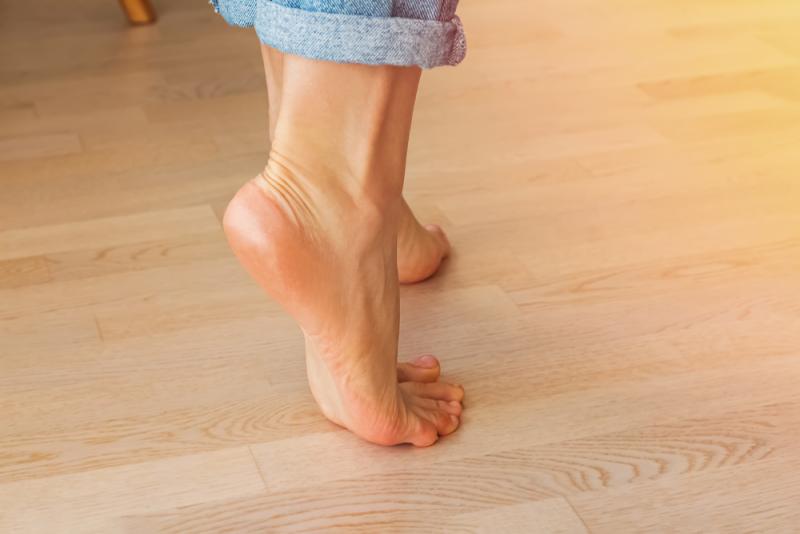
Toe walking, a gait pattern where a child walks on the balls of their feet without the heels touching the ground, is a common concern among parents and pediatricians. While many toddlers toe walk during the early stages of learning to walk, persistent toe walking beyond age three may warrant evaluation and intervention. Understanding the underlying causes, assessment methods, and treatment approaches is essential for effectively addressing this condition and preventing potential complications.
Understanding Toe Walking
Toe walking can be classified into several categories based on its etiology. Idiopathic toe walking (ITW), the most common form, occurs in otherwise healthy children with no identifiable neurological or orthopedic abnormalities. Studies suggest that approximately 5-12% of healthy children exhibit idiopathic toe walking. In contrast, secondary toe walking may result from conditions such as cerebral palsy, muscular dystrophy, autism spectrum disorder, developmental delays, or structural abnormalities like Achilles tendon contractures. Differentiating between idiopathic and secondary toe walking is crucial, as this distinction guides treatment decisions and prognostic expectations.
Children who persistently toe walk may develop secondary complications over time. Prolonged toe walking can lead to tightness of the Achilles tendon and calf muscles, reduced ankle range of motion, and potential impacts on balance and coordination. In severe cases, contractures may develop, making it progressively more difficult for the child to achieve a normal heel-toe gait pattern. These biomechanical changes underscore the importance of early identification and appropriate intervention.
Assessment and Diagnosis
The evaluation of a toe-walking child begins with a comprehensive medical history and physical examination. Clinicians assess the child's developmental milestones, family history of toe walking or neurological conditions, and the age of onset and duration of the toe-walking behavior. The physical examination focuses on neurological function, muscle tone, strength, range of motion, and the child's ability to perform a heel-toe gait when requested.
A key component of the assessment involves determining whether the child can voluntarily walk with their heels down. Children with idiopathic toe walking typically can achieve a flat-footed gait when asked, though they may quickly revert to toe walking. Measuring ankle dorsiflexion—the ability to bring the foot upward toward the shin—is particularly important. Normal dorsiflexion should allow the foot to flex beyond a neutral position, but children with prolonged toe walking may have limited dorsiflexion due to Achilles tendon tightness.
In cases where secondary causes are suspected, additional evaluations may be necessary. These might include developmental assessments, genetic testing, neuroimaging, or electromyography to rule out underlying neuromuscular conditions. The comprehensive evaluation ensures that treatment is tailored to the specific needs and underlying factors affecting each child.
Conservative Treatment Approaches
For many children with idiopathic toe walking, conservative treatment methods prove effective. The first-line approach typically involves observation and physical therapy. Physical therapy focuses on stretching exercises to lengthen the Achilles tendon and calf muscles, strengthening exercises for the anterior tibialis and other muscles that facilitate heel strike, and gait training to promote a normal walking pattern. Parents are often taught home exercise programs to ensure consistent daily stretching and reinforcement of proper gait mechanics.
Serial casting represents another conservative option, particularly for children with moderate Achilles tendon tightness. This technique involves applying a series of short-leg casts, changed weekly or biweekly, with each cast positioning the ankle in progressively greater dorsiflexion. The typical casting protocol spans four to six weeks. Serial casting provides sustained, gentle stretching that can effectively lengthen tight structures and has shown success rates of 50-80% in various studies, though recurrence remains a concern.
Ankle-foot orthoses (AFOs) may be prescribed following casting or as a standalone intervention. These braces hold the ankle in a neutral position and prevent toe walking during wear. Night splints serve a similar function while the child sleeps, maintaining the stretching gains achieved during the day. The duration of orthotic use varies but typically ranges from several months to over a year, depending on the child's response and the severity of tendon tightness.
Botulinum toxin injections have emerged as an adjunctive treatment option for select cases. When injected into the gastrocnemius muscle, the toxin temporarily weakens the muscle, reducing the tendency to toe walk and facilitating physical therapy and gait retraining. This approach is sometimes combined with serial casting for enhanced effectiveness. However, the effects are temporary, lasting approximately three to six months, and multiple injections may be required.
Surgical Intervention
Surgical treatment is reserved for children who do not respond adequately to conservative measures and have developed significant Achilles tendon contractures. The most common surgical procedure is an Achilles tendon lengthening, which may be performed through various techniques including percutaneous lengthening or open z-plasty procedures. Surgery is typically considered only after conservative treatments have been exhausted and usually not before age four or five.
Following surgery, children require a period of immobilization in a cast, followed by intensive physical therapy to regain strength and establish proper gait patterns. While surgery has high success rates for correcting contractures, it carries risks including overcorrection, weakness, and the potential need for revision procedures. Post-surgical outcomes are generally favorable when combined with comprehensive rehabilitation.
Prognosis and Long-term Management
The prognosis for children with toe walking varies depending on the underlying cause, age at intervention, and treatment compliance. Many children with mild idiopathic toe walking outgrow the habit without intervention, while others benefit significantly from conservative treatments. Early intervention generally yields better outcomes, as it prevents the development of fixed contractures and habitual gait patterns that become increasingly difficult to modify.
Long-term management emphasizes consistency and patience. Parents play a crucial role in implementing home exercise programs, monitoring their child's gait, and maintaining regular follow-up appointments. For children with secondary toe walking related to neurodevelopmental conditions, ongoing multidisciplinary management is essential, addressing not only the gait pattern but also the underlying condition and associated developmental needs.
Toe walking in children, while often benign, requires careful evaluation and individualized treatment planning. Through early identification, appropriate conservative interventions, and when necessary, surgical correction, most children can achieve a functional heel-toe gait pattern and avoid long-term complications.
Post Your Ad Here
Comments