Using Heel Pads to Treat Sever's Disease in Children
Sever's disease, clinically known as calcaneal apophysitis, is the most common cause of heel pain in growing children and adolescents. Despite its alarming name, Sever's disease is not actually a disease but rather an overuse injury affecting the growth plate in the heel. This condition typically occurs during periods of rapid growth, most commonly between ages 8 and 14, when bones grow faster than muscles and tendons can stretch to keep up. Among the various conservative treatment approaches available, heel pads have emerged as a simple yet effective intervention that can significantly alleviate symptoms and allow young athletes to maintain their activity levels.
Understanding Sever's Disease
The calcaneus, or heel bone, develops through a growth plate called the apophysis. During childhood, this growth plate consists of softer cartilage that gradually ossifies into solid bone. The Achilles tendon, which is the strongest tendon in the body, attaches to this growth plate. When children engage in repetitive activities that involve running, jumping, or any weight-bearing exercise, the Achilles tendon pulls on this vulnerable growth plate, causing inflammation and pain. The condition is particularly prevalent among children who participate in sports like soccer, basketball, gymnastics, and track and field.
Children with Sever's disease typically experience pain in one or both heels, especially during or after physical activity. The pain may be so severe that they walk on their toes to avoid putting pressure on the heel. Morning stiffness is common, and the heel may be tender to touch. While the condition can be quite painful and limiting, parents can take comfort in knowing that Sever's disease is self-limiting and will resolve completely once the growth plate closes, typically around age 15.
The Role of Heel Pads
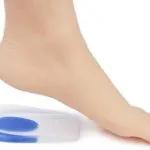
Heel pads, also called heel cups or cushions, are orthotic devices designed to provide cushioning and support to the heel area. In treating Sever's disease, these simple devices serve multiple therapeutic functions that address the underlying mechanics of the condition. The primary mechanism involves shock absorption. Every time a child's foot strikes the ground during walking, running, or jumping, significant impact forces travel through the heel. Heel pads made from materials like gel, silicone, or viscoelastic foam absorb these impact forces, reducing the stress transmitted to the inflamed growth plate.
Beyond shock absorption, quality heel pads provide elevation that can slightly reduce the tension on the Achilles tendon. By raising the heel, even by a small amount, the angle between the foot and lower leg changes subtly, decreasing the pulling force on the calcaneal apophysis. This biomechanical adjustment can provide meaningful relief for children experiencing pain from this traction injury.
Many heel pads also feature a cup design that cradles the heel bone, providing stability and preventing excessive side-to-side motion that could aggravate the condition. This containment helps maintain proper alignment of the foot during activities, distributing pressure more evenly across the heel rather than concentrating stress on specific points of the growth plate.
Implementing Heel Pad Therapy
The effectiveness of heel pads depends significantly on proper selection and use. Parents should look for heel pads specifically designed for children, as adult-sized products may not fit properly in children's shoes and could create additional problems. The material matters: gel and silicone pads tend to provide excellent shock absorption, while firmer materials like dense foam offer more support. Some children may benefit from combination designs that incorporate both cushioning and structural support.
Heel pads should be worn in all shoes the child uses regularly, including athletic shoes, school shoes, and casual footwear. Consistency is crucial because the benefits accumulate over time, and protecting the heel throughout the day prevents re-aggravation of symptoms. The pads should fit comfortably inside the shoe without causing the shoe to feel too tight. If shoes become too snug with the addition of heel pads, it may be necessary to purchase slightly larger shoes or choose thinner heel pads.
It's important to recognize that heel pads work best as part of a comprehensive treatment approach. While the pads address mechanical factors, other interventions should be implemented concurrently. Rest or activity modification is often necessary, particularly during acute painful episodes. Ice application after activities can reduce inflammation, and stretching exercises for the Achilles tendon and calf muscles help address the underlying tightness that contributes to excessive pulling on the growth plate.
Clinical Evidence and Outcomes
Research supports the use of heel pads as an effective component of Sever's disease management. Studies have shown that children using heel cushions experience faster symptom resolution and can often return to activities sooner than those who rely on rest alone. The beauty of heel pads lies in their non-invasive nature—they carry virtually no risk of side effects while providing tangible benefits.
Parents should understand that improvement may not be immediate. Most children begin experiencing noticeable relief within one to two weeks of consistent heel pad use, with full resolution of symptoms typically occurring over several months. During this time, gradual return to activities is encouraged, with the child's pain level serving as a guide for appropriate activity intensity.
Heel pads represent a practical, accessible, and evidence-supported intervention for managing Sever's disease in children. By absorbing shock, reducing tension on the Achilles tendon, and providing structural support, these simple devices address the key mechanical factors that drive heel pain in growing children. When used consistently as part of a broader treatment strategy that includes activity modification, stretching, and ice therapy, heel pads can significantly shorten recovery time and allow young athletes to return to the sports and activities they love. For parents navigating the challenge of a child with heel pain, heel pads offer an affordable first-line treatment that can make a meaningful difference in their child's comfort and quality of life.
Post Your Ad Here
Comments