The Therapeutic Use of Podiatry Felt in Treating Foot Problems
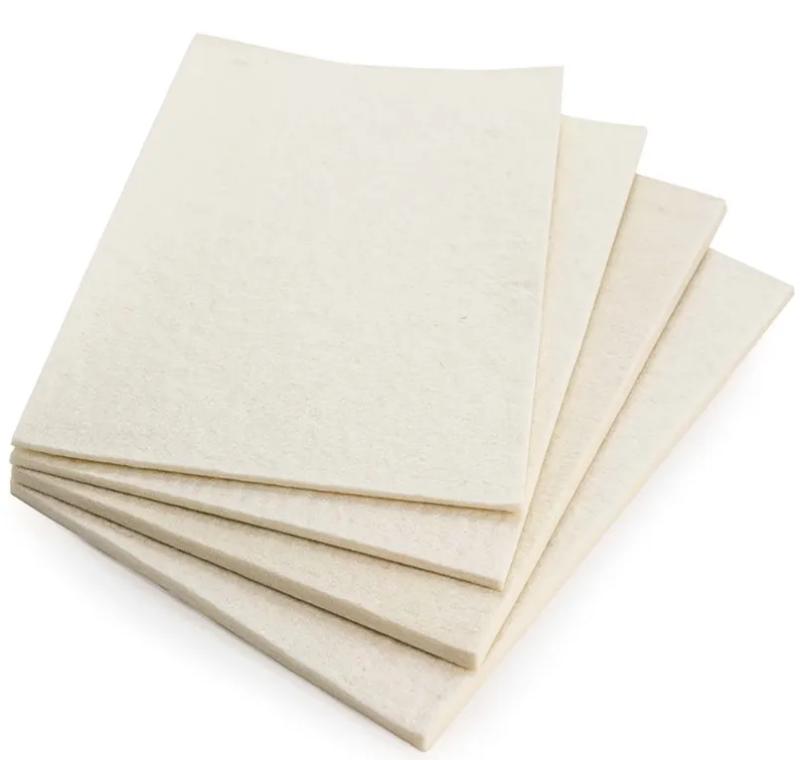
Podiatry felt, a dense wool-based material that has been used in foot care for decades, remains one of the most versatile and cost-effective tools in the modern podiatrist's arsenal. Despite advances in synthetic materials and high-tech orthotics, this simple material continues to play a crucial role in treating a wide range of foot conditions. Its effectiveness lies in its unique properties: it is firm yet cushioning, moldable yet supportive, and can be easily customized to address individual patient needs.
The material itself is typically made from compressed wool fibers, available in various thicknesses ranging from 3mm to 10mm or more. This variety allows practitioners to select the appropriate density for different applications. The felt's semi-rigid structure provides enough support to redistribute pressure while maintaining sufficient give to accommodate foot deformities and sensitive areas. Unlike foam materials that quickly compress and lose their shape, quality podiatry felt maintains its structure over time, providing consistent therapeutic benefit throughout its use.
One of the primary applications of podiatry felt is in pressure redistribution. Many foot problems arise from excessive or uneven pressure on specific areas of the foot. Conditions such as metatarsalgia, where pain occurs in the ball of the foot, can be effectively managed by creating felt pads that offload pressure from the painful area. The podiatrist cuts and shapes the felt to create a horseshoe or "U" shape around the affected metatarsal head, redirecting weight-bearing forces to surrounding tissues that can better tolerate the load. This simple intervention can provide immediate pain relief and allow inflamed tissues to heal.
Plantar warts, or verrucae, also benefit significantly from felt padding. These viral lesions on the sole of the foot can be extremely painful when subjected to weight-bearing pressure. By creating a felt aperture pad—essentially a donut-shaped piece of felt with a hole in the center—the podiatrist can completely eliminate direct pressure on the wart. This not only reduces pain during walking but also creates an optimal environment for topical treatments to work more effectively, as the reduced pressure prevents the wart from being driven deeper into the tissue.
Corns and calluses, which develop in response to friction and pressure, represent another common indication for felt therapy. Hard corns between the toes, known as heloma durum, can be cushioned and separated using small felt wedges, preventing the mechanical irritation that causes them to form. Plantar calluses benefit from felt accommodations that redistribute pressure away from the hyperkeratotic area, breaking the cycle of pressure and skin thickening. Over time, with consistent use of properly applied felt padding, these lesions often reduce significantly or resolve entirely.
For patients with diabetes or other conditions that cause peripheral neuropathy, podiatry felt serves a particularly important protective function. These individuals cannot rely on pain as a warning signal for excessive pressure or developing ulceration. Prophylactic felt padding can prevent the formation of diabetic foot ulcers by addressing pressure points before tissue breakdown occurs. When ulcers do develop, felt accommodations form an essential component of the offloading strategy, working alongside specialized footwear and other interventions to promote healing while allowing continued mobility.
Bunions, or hallux valgus deformities, present another opportunity for felt intervention. While felt cannot correct the structural deviation of the great toe, it can significantly improve comfort and function. Felt pads can be positioned to reduce friction between the bunion prominence and footwear, preventing the formation of painful bursitis. Additionally, felt can be used to maintain proper toe spacing, reducing the tendency for the great toe to drift further toward the second toe.
The accommodation of structural foot deformities represents a broader application of podiatry felt. Patients with hammer toes, claw toes, or other digital deformities experience pain from shoe pressure on the elevated joints. Felt can be crafted into crest pads that sit beneath the toes, supporting them in a more neutral position and reducing dorsal pressure. For prominent metatarsal heads or other bony prominences, felt accommodations can be incorporated into temporary insoles or used as padding within shoes.
Temporary orthotic fabrication is another valuable use of podiatry felt. Before investing in custom orthotics, which can be expensive and time-consuming to produce, podiatrists often create temporary felt devices to test biomechanical theories and patient tolerance. These provisional orthoses help determine whether a patient will benefit from permanent devices and what modifications might be necessary. Felt's ease of adjustment makes it ideal for this trial-and-error process.
The technique of applying podiatry felt requires skill and experience. The material must be cut precisely to the desired shape, with edges beveled to create smooth transitions that won't create new pressure points. Multiple layers may be combined to achieve the necessary thickness, and adhesive backing allows secure attachment to the foot or insole. Proper application considers not only the location of the problem but also the biomechanics of gait and the types of footwear the patient typically wears.
Patient education is crucial for successful felt therapy. Individuals must understand how to maintain the padding, when to replace it, and what signs might indicate problems. Most felt applications are temporary, lasting days to weeks depending on the condition being treated and the patient's activity level. Some patients learn to apply their own felt padding for chronic conditions, empowering them to manage their foot health independently.
Podiatry felt remains an indispensable tool in conservative foot care management. Its versatility, cost-effectiveness, and immediate therapeutic benefit make it suitable for treating numerous conditions, from acute injuries to chronic deformities. While modern podiatry has embraced advanced technologies and materials, the humble felt pad continues to provide elegant solutions to complex foot problems, demonstrating that sometimes the simplest interventions are the most effective.
Post Your Ad Here
Comments