Using Night Splints for Plantar Fasciitis
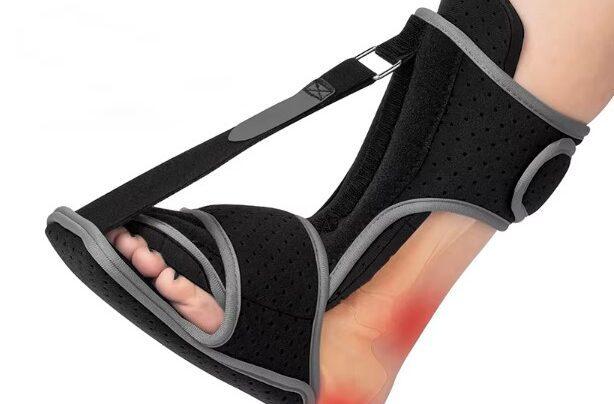
Plantar fasciitis is one of the most common causes of heel pain, affecting millions of people worldwide. This condition occurs when the plantar fascia—a thick band of tissue that runs along the bottom of the foot from the heel to the toes—becomes inflamed or irritated. While various treatment options exist, night splints have emerged as an effective conservative therapy for managing this painful condition. Understanding how to properly use night splints can significantly improve outcomes and accelerate the healing process.
Understanding the Problem
The plantar fascia plays a crucial role in supporting the arch of the foot and absorbing shock during walking and running. When this tissue becomes strained, tiny tears can develop, leading to inflammation and pain. The hallmark symptom of plantar fasciitis is sharp, stabbing pain in the heel, particularly with the first steps in the morning. This morning pain occurs because the plantar fascia naturally contracts and shortens during sleep when the foot is in a relaxed, plantarflexed position. Upon standing, the sudden stretching of the tightened tissue causes intense discomfort.
How Night Splints Work
Night splints address this problem through a simple but effective mechanism: they maintain the foot in a dorsiflexed position throughout the night. By keeping the ankle at approximately a 90-degree angle, these devices provide a gentle, sustained stretch to the plantar fascia and Achilles tendon. This continuous stretching prevents the tissue from contracting during sleep, reducing the micro-tears that occur when taking those painful first morning steps. Over time, this passive stretching can help lengthen the plantar fascia, reduce inflammation, and promote healing.
Types of Night Splints
Several types of night splints are available, each with distinct advantages. Dorsiflexion night splints are the most common, featuring a boot-like design that holds the foot at a fixed angle. These splints typically use straps or Velcro closures to secure the device and may include adjustable features to control the degree of stretch. Sock-style splints offer a lighter, more flexible alternative, using elastic tension to maintain dorsiflexion while allowing some movement. Some patients prefer posterior splints, which support the back of the leg and heel, while anterior splints provide support from the front of the shin. The choice of splint often depends on personal comfort preferences, sleeping position, and the severity of symptoms.
Getting Started with Night Splints
When beginning night splint therapy, patience and gradual adaptation are essential. The first few nights can be challenging as your body adjusts to sleeping with a device on your foot. Start by wearing the splint for just one to two hours before bed while relaxing or watching television. This allows you to acclimate to the sensation without disrupting your sleep. Once comfortable, begin wearing the splint to bed, initially aiming for just a few hours. If you wake up uncomfortable, it's perfectly acceptable to remove the splint and try again the next night. Most patients can work up to wearing the splint for the entire night within one to two weeks.
Proper Fitting and Adjustment
Ensuring a proper fit is critical for both effectiveness and comfort. The splint should hold your foot at approximately 90 degrees or slightly beyond, creating a gentle stretch sensation without causing pain. The straps should be snug enough to keep the splint securely in place but not so tight that they restrict circulation or cause numbness. Many splints feature adjustable dorsiflexion angles; beginners should start with a more neutral position and gradually increase the stretch as tolerance improves. Pay attention to any pressure points, particularly around the ankle and shin, and adjust padding or straps accordingly. Wearing a thin sock underneath the splint can reduce friction and improve comfort.
Maximizing Effectiveness
To achieve the best results from night splint therapy, consistency is paramount. Most healthcare providers recommend wearing the splint every night for at least six to twelve weeks, though some patients may need longer treatment periods. The healing process is gradual, and skipping nights can impede progress. Combining night splints with other treatment modalities often yields superior results. Daytime stretching exercises, particularly calf and plantar fascia stretches, complement the nighttime therapy. Ice therapy can reduce inflammation, while over-the-counter anti-inflammatory medications may provide additional pain relief. Proper footwear with adequate arch support and cushioning is also essential during the day.
Troubleshooting Common Issues
Many patients experience challenges when first using night splints. Difficulty sleeping is the most common complaint, particularly for side and stomach sleepers. Placing a pillow under the splinted leg or between the legs can improve comfort. If the splint causes leg cramps, the dorsiflexion angle may be too aggressive and should be reduced. Skin irritation can often be resolved by adjusting strap tension, adding padding, or wearing a protective sock. Some people find that alternating the splint between feet each night (if both are affected) or taking occasional nights off helps maintain compliance without significantly impacting results.
When to Expect Results
Improvement timelines vary among individuals, but most patients notice some reduction in morning pain within two to four weeks of consistent use. Significant improvement typically occurs within six to twelve weeks, though complete resolution may take longer. It's important to continue wearing the splint even after symptoms improve to prevent recurrence. Some practitioners recommend gradually reducing usage over several weeks rather than stopping abruptly.
Night splints represent a valuable tool in the conservative management of plantar fasciitis. While they require patience and commitment, their ability to provide continuous passive stretching addresses one of the fundamental problems underlying this condition. When used correctly and consistently, night splints can significantly reduce pain, improve function, and help many people avoid more invasive treatments.
Post Your Ad Here
Comments