Treatment of Morton's Neuroma
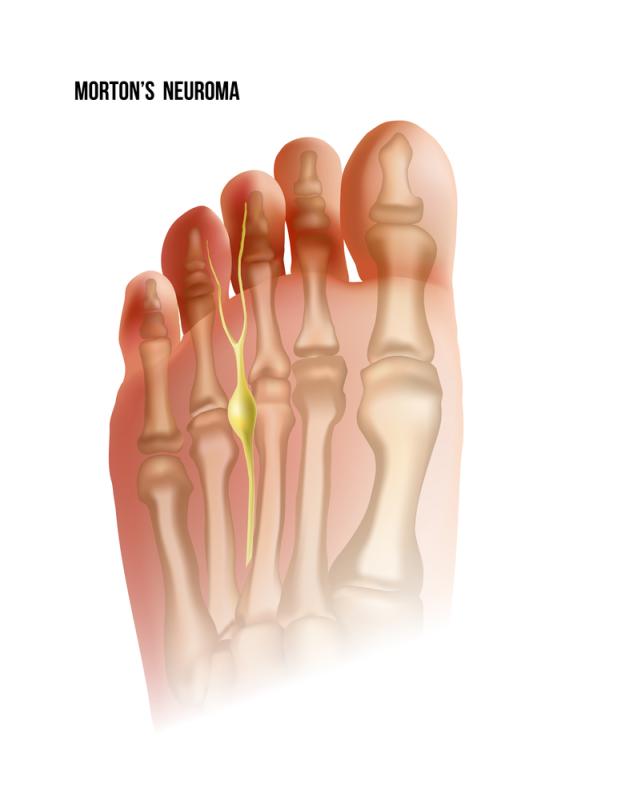
Morton's neuroma is a painful condition affecting the ball of the foot, most commonly between the third and fourth toes. Despite its name, it's not actually a tumor but rather a thickening of the tissue surrounding one of the nerves leading to the toes. This benign growth of nerve tissue develops in response to compression, irritation, or injury. The condition causes sharp, burning pain in the ball of the foot, often accompanied by tingling, numbness, or the sensation of standing on a pebble. Understanding the various treatment options available is essential for managing this uncomfortable condition effectively.
Conservative Treatment Approaches
The first line of treatment for Morton's neuroma typically involves conservative, non-invasive methods. These approaches aim to reduce pressure on the affected nerve and alleviate inflammation. Many patients find significant relief through these measures without requiring surgical intervention.
Footwear Modifications
One of the most important initial steps is changing footwear. Tight, narrow shoes and high heels are major contributors to the development and aggravation of Morton's neuroma. Switching to shoes with a wide toe box allows the toes to spread naturally, reducing compression on the nerve. The heel height should be kept low, ideally under two inches, to minimize pressure on the forefoot. Shoes with good arch support and cushioning also help distribute weight more evenly across the foot.
Orthotic Devices
Custom orthotic inserts or over-the-counter arch supports can be highly effective in treating Morton's neuroma. These devices work by supporting the metatarsal arch and reducing pressure on the nerve. Metatarsal pads, which are placed just behind the ball of the foot, help separate the metatarsal bones and reduce nerve compression. A podiatrist can design custom orthotics tailored to the individual's foot structure and specific needs.
Activity Modification
Reducing or modifying activities that place excessive pressure on the forefoot is crucial during treatment. High-impact activities like running or jumping may need to be temporarily replaced with low-impact alternatives such as swimming or cycling. Taking regular breaks to rest the feet and avoiding prolonged standing can also help reduce symptoms.
Ice Therapy and Anti-inflammatory Medications
Applying ice to the affected area for 15-20 minutes several times daily can help reduce inflammation and numb pain. Over-the-counter nonsteroidal anti-inflammatory drugs (NSAIDs) such as ibuprofen or naproxen can also help manage pain and reduce inflammation. However, these should be used according to package directions and under medical supervision if needed for extended periods.
Medical Interventions
When conservative measures don't provide adequate relief after several weeks or months, medical professionals may recommend more aggressive treatments.
Corticosteroid Injections
Corticosteroid injections are commonly used to treat Morton's neuroma. These injections deliver powerful anti-inflammatory medication directly to the affected area, reducing swelling around the nerve and providing significant pain relief. The effects can last from weeks to months, though some patients may require multiple injections. While generally safe, repeated corticosteroid injections carry some risks, including weakening of nearby ligaments and fat pad atrophy.
Sclerosing Alcohol Injections
A more recent treatment approach involves injecting a sclerosing agent, typically dehydrated alcohol, directly into the neuroma. This treatment works by destroying the nerve tissue, thereby eliminating the source of pain. Multiple injections are usually required, typically performed at weekly or biweekly intervals. Studies have shown this treatment to be effective for many patients, with success rates ranging from 60-90% in various research trials.
Physical Therapy
Physical therapy can play a valuable role in treating Morton's neuroma. A physical therapist can teach specific exercises to stretch and strengthen the foot muscles, improve flexibility, and correct biomechanical issues that may be contributing to the problem. Manual therapy techniques, including massage and joint mobilization, can also help reduce symptoms. Additionally, therapists can provide guidance on proper footwear and activity modification.
Surgical Treatment
When conservative treatments fail to provide relief after several months, surgery may be considered. Surgical intervention is typically reserved for cases where pain significantly impacts quality of life and non-surgical methods have been exhausted.
Neurectomy
The most common surgical procedure for Morton's neuroma is a neurectomy, which involves removing the affected portion of the nerve. This procedure is typically performed on an outpatient basis under local anesthesia with sedation. The surgeon makes a small incision either on the top or bottom of the foot to access and remove the neuroma. While this procedure effectively eliminates pain in most cases, it results in permanent numbness in the affected toes, which most patients find preferable to the chronic pain.
Nerve Decompression
An alternative surgical approach is nerve decompression, which involves cutting the ligament pressing on the nerve rather than removing the nerve itself. This procedure preserves nerve function and avoids permanent numbness. However, it may have slightly lower success rates compared to neurectomy, and there's a possibility of the neuroma recurring.
Recovery and Prognosis
The prognosis for Morton's neuroma is generally good, particularly when treatment begins early. Most patients respond well to conservative treatment, with up to 80% experiencing significant improvement. For those requiring surgery, success rates are typically high, with 75-85% of patients reporting satisfaction with the outcome. Recovery from surgery usually takes several weeks, with most people returning to normal activities within 4-6 weeks.
The key to successful treatment lies in early intervention, appropriate footwear choices, and working closely with healthcare providers to find the most effective treatment approach for individual circumstances.
Post Your Ad Here
Comments