Understanding Metatarsalgia
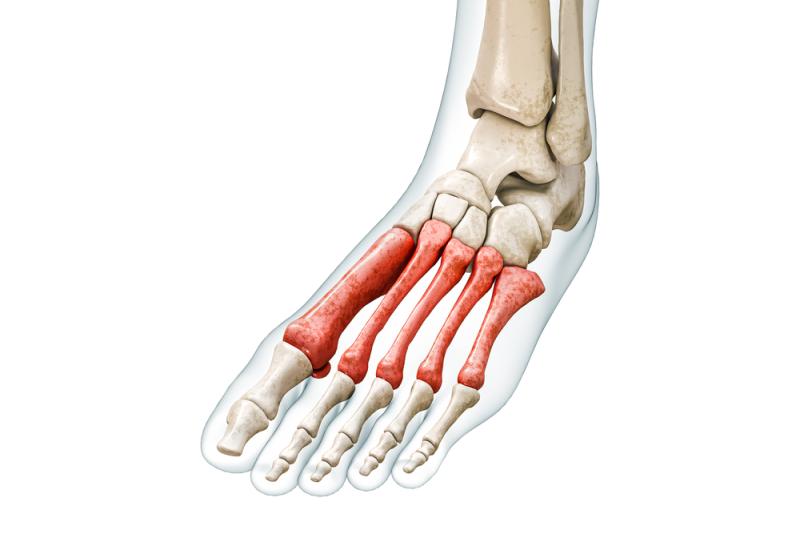
Metatarsalgia, characterized by pain and inflammation in the ball of the foot, affects millions of people worldwide and can significantly impact quality of life. This condition involves the metatarsal bones—the long bones connecting the midfoot to the toes—and the surrounding soft tissues. Effective treatment requires a multifaceted approach that addresses both immediate symptom relief and underlying biomechanical factors contributing to the condition.
Conservative Treatment Approaches
The cornerstone of metatarsalgia treatment begins with conservative, non-invasive methods. Most patients experience substantial improvement through these initial interventions, making them the first line of defense against forefoot pain.
Rest and activity modification form the foundation of treatment. Patients should temporarily reduce or avoid high-impact activities that exacerbate symptoms, such as running, jumping, or prolonged standing. This doesn't mean complete immobilization, but rather strategic reduction of stress on the metatarsal heads. Low-impact exercises like swimming or cycling can maintain fitness without aggravating the condition.
Ice therapy provides immediate relief by reducing inflammation and numbing pain. Applying ice packs for fifteen to twenty minutes several times daily, particularly after activities, helps manage acute symptoms. Patients should always use a barrier between ice and skin to prevent tissue damage.
Footwear modification represents one of the most critical interventions. Proper shoes should have adequate toe box width, allowing toes to spread naturally without compression. A cushioned sole with good shock absorption distributes pressure more evenly across the foot. Low to moderate heel heights are preferable, as high heels shift excessive weight onto the metatarsal heads. Many patients find relief simply by abandoning problematic footwear in favor of supportive athletic shoes or specialized therapeutic footwear.
Orthotic Interventions and Padding
Custom orthotics and over-the-counter inserts play a vital role in redistributing pressure away from painful metatarsal heads. Metatarsal pads, positioned just proximal to the affected metatarsal heads, effectively offload pressure by spreading the metatarsals and transferring weight to adjacent areas. These pads can be incorporated into custom orthotics or purchased as adhesive additions to existing shoes.
Arch supports help address underlying biomechanical issues, particularly in patients with flat feet or excessive pronation. By supporting the medial longitudinal arch, these devices improve overall foot mechanics and reduce abnormal stress patterns. Custom orthotics, fabricated from molds of individual feet, provide optimal correction but come at higher cost. Many patients achieve satisfactory results with high-quality over-the-counter options designed specifically for metatarsalgia.
Rocker-bottom shoe modifications or shoes with metatarsal bars built into the sole reduce pressure during the push-off phase of gait. These modifications allow the foot to roll smoothly without excessive flexion at the metatarsophalangeal joints, where pain typically concentrates.
Physical Therapy and Exercise
Physical therapy addresses both symptom management and biomechanical correction. Therapists employ various modalities including ultrasound, which uses sound waves to promote healing and reduce inflammation in deep tissues. Electrical stimulation can provide pain relief and stimulate muscle function.
Stretching exercises target the Achilles tendon and calf muscles, as tightness in these structures increases forefoot pressure during walking. Regular calf stretches, performed several times daily, gradually improve flexibility and alter force distribution across the foot. Toe stretches and exercises strengthen intrinsic foot muscles, improving overall foot function and stability.
Strengthening exercises for the foot and ankle enhance muscular support and correct biomechanical deficiencies. Toe curls, marble pickups, and resistance band exercises build strength in muscles that stabilize the metatarsals during weight-bearing activities. Proprioceptive training on balance boards or unstable surfaces improves neuromuscular control and reduces injury risk.
Pharmacological Management
Anti-inflammatory medications form an important component of symptom management. Nonsteroidal anti-inflammatory drugs like ibuprofen or naproxen reduce both pain and inflammation when taken regularly according to package directions. Topical NSAIDs offer an alternative for patients who cannot tolerate oral medications, though they may be less effective for deeper structures.
Corticosteroid injections provide potent anti-inflammatory effects for persistent cases resistant to conservative treatment. Administered directly into the affected area, these injections can offer weeks to months of relief. However, repeated injections carry risks including fat pad atrophy and tissue weakening, so they're used judiciously and typically limited to two or three injections annually.
Weight Management
For overweight or obese patients, weight reduction represents a powerful intervention. Each pound of body weight translates to multiple pounds of force on the forefoot during walking and running. Even modest weight loss significantly reduces mechanical stress on the metatarsals and often produces dramatic symptom improvement. Combining dietary modifications with appropriate low-impact exercise creates sustainable weight management while accommodating metatarsalgia limitations.
Surgical Interventions
When conservative measures for metatarsalgia fail after six months of consistent treatment, surgical options may be considered. Procedures vary depending on underlying pathology but may include metatarsal osteotomies to shorten or reposition bones, neurectomy for associated nerve pain, or correction of associated deformities like bunions or hammertoes. Surgery carries inherent risks and requires significant recovery time, making it appropriate only after exhausting non-surgical options.
Successful metatarsalgia treatment requires patience, consistency, and often combination therapy. Most patients achieve satisfactory outcomes through conservative management, particularly when treatment addresses both symptoms and underlying biomechanical factors. Early intervention, appropriate footwear, targeted exercises, and strategic use of orthotics and medications form the foundation of effective care. By working closely with healthcare providers and maintaining commitment to treatment protocols, patients can expect significant improvement and return to normal activities without the limiting pain that characterizes this common forefoot condition.
Post Your Ad Here
Comments