The Therapeutic Role of Metatarsal Cushions in Foot Pain Management
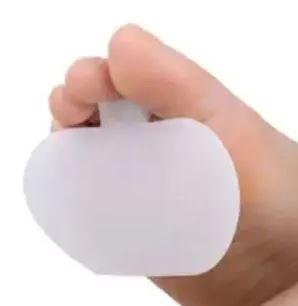
Foot pain is among the most common musculoskeletal complaints, affecting millions of people worldwide and significantly impacting quality of life, mobility, and daily functioning. Among the various conservative treatment modalities available, metatarsal pads have emerged as a simple yet remarkably effective intervention for addressing pain in the forefoot region. These unassuming devices, typically made from foam, gel, or felt materials, work by redistributing pressure across the metatarsal heads and can provide substantial relief for a range of foot conditions. Understanding how metatarsal pads function, their clinical applications, and their proper use is essential for both healthcare providers and patients seeking non-invasive solutions to foot pain.
The human foot is an intricate biomechanical structure designed to bear the entire weight of the body while facilitating movement. The metatarsal bones, five long bones in the midfoot region, play a crucial role in weight distribution during standing and walking. The metatarsal heads, located at the ball of the foot, normally share the load relatively evenly during gait. However, various factors including foot structure abnormalities, improper footwear, aging, and certain medical conditions can disrupt this balance, leading to excessive pressure on one or more metatarsal heads. This increased pressure can result in pain, inflammation, and over time, structural changes to the foot.
Metatarsal pads function through a straightforward mechanical principle: pressure redistribution. Rather than being placed directly under the painful metatarsal head, these pads are positioned just proximal to the affected area, typically behind the second through fourth metatarsal heads. This placement is counterintuitive but critical to their effectiveness. By elevating the metatarsal shaft slightly, the pad creates a mechanical advantage that reduces the load on the metatarsal heads during weight-bearing activities. The pad essentially creates a supportive dome that helps restore the foot's natural transverse arch, which often collapses in conditions causing forefoot pain. This redistribution of pressure can significantly reduce discomfort and allow inflamed tissues to heal.
The clinical applications of metatarsal pads are diverse. They are perhaps most commonly used in the treatment of metatarsalgia, a general term describing pain and inflammation in the ball of the foot. Metatarsalgia can result from various causes including high-impact activities, ill-fitting shoes, excess weight, foot deformities, or inflammatory conditions. Metatarsal pads provide symptomatic relief by offloading the painful area and can be used as a standalone treatment or in conjunction with other interventions such as anti-inflammatory medications, physical therapy, or footwear modifications.
Morton's neuroma, a painful condition involving thickening of tissue around the nerves leading to the toes, is another condition that responds well to metatarsal pad therapy. The neuroma typically develops between the third and fourth toes and causes burning pain, tingling, or numbness in the forefoot. By spreading the metatarsal bones slightly and reducing compression on the affected nerve, metatarsal pads can alleviate symptoms and may help patients avoid more invasive treatments such as corticosteroid injections or surgery.
Patients with sesamoiditis, inflammation of the sesamoid bones beneath the first metatarsal head, also benefit from metatarsal pads. These small bones embedded in tendons can become inflamed from repetitive stress or direct trauma. Properly positioned metatarsal pads shift weight away from the sesamoids, providing relief and promoting healing. Similarly, individuals with stress fractures of the metatarsals can use these pads during the healing process to reduce load on the injured bone while maintaining some level of mobility.
The effectiveness of metatarsal pads extends to patients with certain foot deformities. Individuals with claw toes or hammertoes often develop painful calluses under the metatarsal heads due to altered foot mechanics. Metatarsal pads can reduce pressure on these callused areas and provide comfort. Patients with pes cavus, or high-arched feet, frequently experience concentrated pressure points in the forefoot that can be relieved with appropriate padding.
Proper selection and placement of metatarsal pads is crucial for achieving optimal results. Pads come in various materials, sizes, and configurations. Adhesive pads can be attached directly to the foot or to the insole of a shoe, while non-adhesive versions are incorporated into socks or fitted into footwear. The material choice depends on individual preferences and needs, with gel pads offering cushioning and durability, foam providing lightweight comfort, and felt allowing for customizable thickness. The pad should be positioned approximately one-half inch behind the painful area, not directly beneath it. This placement requires some trial and adjustment, and patients may need to reposition the pad several times to find the optimal location for pain relief.
The advantages of metatarsal pads as a treatment modality are significant. They are non-invasive, affordable, readily available, and have virtually no side effects when used correctly. Unlike medications, they provide mechanical support without systemic effects, and unlike surgical interventions, they carry no risk of complications and require no recovery time. Patients can use them as needed and adjust their placement based on activities or footwear changes. This flexibility makes metatarsal pads an ideal first-line treatment for many forefoot conditions.
However, metatarsal pads are not a universal solution and have limitations. They provide symptomatic relief but do not address underlying structural abnormalities or disease processes. Patients with severe foot deformities, advanced arthritis, or certain neurological conditions may require more comprehensive treatment. Additionally, improper placement or excessive pad thickness can potentially worsen symptoms or create new pressure points. Some individuals may find the sensation of wearing pads uncomfortable initially, requiring an adaptation period.
Metatarsal cushions represent a valuable tool in the conservative management of forefoot pain. Their ability to redistribute pressure and offload painful areas makes them effective for conditions ranging from metatarsalgia to Morton's neuroma to various foot deformities. When properly selected, positioned, and used in conjunction with appropriate footwear and other conservative measures, these simple devices can provide substantial pain relief and improve function for many patients. While not appropriate for every case of foot pain, metatarsal pads deserve consideration as a safe, accessible, and cost-effective intervention that can significantly enhance the quality of life for individuals suffering from common forefoot conditions.
Post Your Ad Here
Comments