How to Soothe Aching Feet After Work
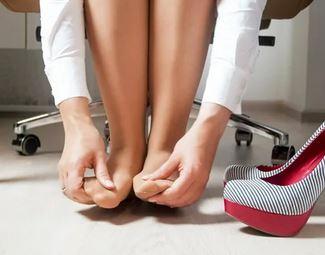
After a long day on your feet, few sensations are more universally relatable than the deep, throbbing ache that radiates from your soles up through your legs. Whether you work in retail, healthcare, hospitality, construction, or any profession that demands prolonged standing or walking, foot pain can leave you exhausted and dreading the next workday. Your feet are remarkable structures, each containing twenty-six bones, thirty-three joints, and more than a hundred muscles, tendons, and ligaments working in concert to support your entire body weight. When they hurt, everything hurts. Fortunately, with the right techniques and a little dedicated care, you can transform your painful evenings into restorative rituals that leave you refreshed and ready to face another day.
The Immediate Relief Phase
The moment you arrive home, resist the temptation to collapse onto the couch immediately. Instead, take five minutes to transition properly. Remove your shoes and socks, allowing your feet to breathe and begin cooling down. If your feet are particularly swollen or hot, this is the perfect time for elevation. Lie down and prop your feet above heart level using pillows or by resting them against a wall. This simple position leverages gravity to reduce swelling by encouraging fluid that has pooled in your feet throughout the day to drain back toward your core. Even ten to fifteen minutes of elevation can produce noticeable results, reducing that tight, puffy sensation that often accompanies a long shift.
Temperature therapy is one of the most effective immediate interventions for foot pain. Cold therapy works wonders for inflammation and acute pain. Fill a basin with cool water and ice, then immerse your feet for ten to fifteen minutes. If full immersion feels too intense, try rolling your feet over a frozen water bottle—this combines cold therapy with gentle massage. The cold constricts blood vessels, reduces inflammation, and numbs nerve endings that are transmitting pain signals.
Alternatively, some people find warm water more soothing, especially if their discomfort stems from muscle tension rather than inflammation. A warm foot soak relaxes tired muscles and improves circulation. For maximum benefit, try contrast therapy: alternate between cold water for three minutes and warm water for one minute, repeating this cycle three to four times and always ending with cold. This pumping action helps flush out inflammatory compounds while bringing fresh, oxygenated blood to fatigued tissues.
The Therapeutic Soak
Elevating a simple foot soak into a therapeutic ritual can address multiple sources of discomfort simultaneously. Fill a basin with warm water at a comfortable temperature, ensuring it's deep enough to cover your ankles. The addition of Epsom salt is perhaps the most popular enhancement, and for good reason. Epsom salt is magnesium sulfate, and while scientific debate continues about how much magnesium is actually absorbed through the skin, many people report significant relief. Magnesium helps relax muscles and may reduce inflammation. Add half a cup to a full cup of Epsom salt to your basin and soak for fifteen to twenty minutes.
Essential oils can transform your foot bath into an aromatherapeutic experience. Lavender oil promotes relaxation and has anti-inflammatory properties, peppermint oil provides a cooling, pain-relieving sensation, and eucalyptus oil can help with muscle soreness. Add just a few drops mixed with a carrier oil or dissolved in the Epsom salt. You might also try adding a handful of fresh herbs like rosemary or chamomile for a more natural approach.
During your soak, take the opportunity to gently massage your feet, using your thumbs to apply pressure to the arches and balls of your feet. Rotate your ankles slowly in both directions, flex and point your toes, and spread them wide before curling them. These gentle movements while soaking help maintain flexibility and work out tension that has built up during the day.
Massage and Pressure Point Techniques
After soaking and drying your feet thoroughly, massage becomes your most powerful tool for deep relief. You can perform self-massage effectively without expensive equipment, though a few simple tools can enhance the experience. Apply a moisturizing cream or massage oil to reduce friction—coconut oil, shea butter, or specialized foot creams work beautifully.
Begin by warming up the entire foot with broad, sweeping strokes from toes to ankle. Then work more specifically on problem areas. The arch of the foot often holds considerable tension, so use your thumbs to apply firm pressure along the entire arch from heel to ball, working in small circles. The ball of the foot, which bears significant weight during standing and walking, deserves special attention. Press firmly and make circular motions with your thumbs across this entire area.
Don't neglect your toes. Gently pull each toe, rotate it, and massage the spaces between them. The heel can be massaged by making a fist and pressing your knuckles into the thick tissue. For particularly stubborn knots, try using a tennis ball or specialized massage ball. Place it on the floor and roll your foot over it with varying pressure, spending extra time on tender spots.
Reflexology suggests that different areas of the foot correspond to different body systems, and applying pressure to specific points may promote overall wellbeing beyond just foot relief. Whether or not you believe in these connections, the focused pressure and attention feel undeniably good.
Stretching for Long-term Relief
While massage provides immediate comfort, stretching addresses the underlying tension and helps prevent future pain. Tight calf muscles and Achilles tendons can pull on the structures in your feet, contributing to conditions like plantar fasciitis. A simple calf stretch involves standing arm's length from a wall, placing one foot behind the other, and leaning forward while keeping the back heel on the ground. Hold for thirty seconds and repeat on both sides.
The plantar fascia, the thick band of tissue running along the bottom of your foot, often becomes tight and inflamed from prolonged standing. Stretch it by sitting and pulling your toes back toward your shin, holding for thirty seconds. You can also try the towel stretch: sit with legs extended, loop a towel around the ball of your foot, and gently pull the towel toward you while keeping your knee straight.
Rolling a tennis ball or frozen water bottle under your foot while seated provides both massage and stretching simultaneously. Move slowly, allowing your weight to sink into the ball, and pause on tender areas. These stretches, performed consistently after work and before bed, can significantly reduce chronic foot pain.
Supportive Recovery Practices
Beyond immediate interventions, consider your evening footwear. Walking barefoot on hard floors after a day of standing can actually increase discomfort. Instead, invest in supportive house slippers or sandals with good arch support and cushioning. This continued support helps your feet recover rather than forcing them to work even when you're supposedly resting.
Hydration plays a surprising role in foot comfort. Dehydration can contribute to muscle cramps and reduced circulation, so ensure you're drinking adequate water throughout the evening. Similarly, elevating your legs while watching television or reading helps maintain the reduction in swelling achieved earlier.
If foot pain persists despite these measures, becomes progressively worse, or is accompanied by numbness, tingling, or visible deformity, consult a healthcare professional. Chronic foot pain can indicate conditions requiring medical attention, from plantar fasciitis to nerve compression or stress fractures.
Your feet carry you through life, bearing your weight and absorbing impact with every step. Treating them with care and attention after demanding workdays isn't indulgence—it's essential maintenance. With these soothing practices, you can transform painful evenings into healing rituals that honor your hardworking feet.
Post Your Ad Here
Comments