Preventing Lace Bite in Ice Skates
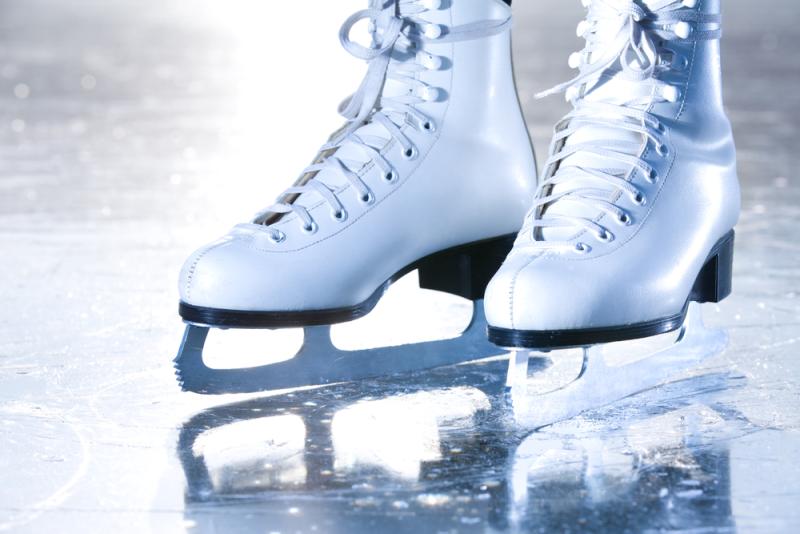
Lace bite is one of the most common and frustrating complaints among ice skaters, from recreational enthusiasts to elite athletes. This painful condition occurs when excessive pressure from skate laces irritates the tendons and soft tissues on the top of the foot and ankle, leading to inflammation, discomfort, and in severe cases, the inability to skate altogether. Understanding the causes of lace bite and implementing effective prevention strategies is essential for anyone who spends significant time on the ice.
The anatomy of lace bite involves the extensor tendons that run along the top of the foot and ankle. When skate laces are tightened, they create pressure points against these tendons and the underlying bones. In properly fitted skates with appropriate lacing technique, this pressure is distributed evenly and doesn't cause problems. However, when pressure becomes concentrated in specific areas—often at the ankle bend where the boot flexes—it can lead to irritation, inflammation, and pain. The condition typically manifests as tenderness, redness, or swelling along the tongue of the skate, and the pain often worsens during skating as the ankle flexes repeatedly.
Several factors contribute to the development of lace bite. Poor skate fit is perhaps the most significant culprit. Skates that are too large require excessive tightening to achieve proper support, while skates that are too narrow or have a poorly shaped ankle pocket create uneven pressure distribution. The quality and design of the skate boot itself also matters—some boots have inadequate padding in the tongue or ankle area, while others have tongue designs that bunch up or create pressure points. Additionally, improper lacing technique, where skaters overtighten certain sections while leaving others loose, can concentrate pressure in vulnerable areas.
Prevention begins with proper skate fitting. Taking the time to find skates that match your foot shape and size is the foundation of comfort on the ice. When trying on skates, pay attention to how the boot hugs your foot throughout its length. There should be minimal heel lift, snug support around the midfoot, and adequate room in the toe box without being loose. The ankle area deserves particular attention—the boot should provide support without creating hard pressure points. Many skaters benefit from working with knowledgeable retailers who can assess foot shape and recommend appropriate models, as different brands and lines are designed for different foot geometries.
Lacing technique plays a crucial role in preventing lace bite. The goal is to achieve secure support while distributing pressure evenly across the foot and ankle. Start by ensuring your laces are appropriate for your skates—they should be long enough to allow for proper lacing without being so long that they create bulk. Begin lacing from the toe, keeping tension moderate and consistent through the midfoot area. As you approach the ankle, many skaters find success with the "skip lacing" technique, where you skip one or two eyelets in the flex zone where lace bite typically occurs. This creates a pressure relief zone while maintaining overall boot security. Above the ankle, you can return to normal lacing to ensure proper support for skating movements.
Another effective lacing strategy involves varying tension throughout the boot. The lower portion of the boot, from toe to instep, requires firm tension to prevent the foot from sliding forward. The critical ankle flex zone benefits from slightly reduced tension to minimize pressure on the tendons. The upper portion of the boot, which provides ankle support for edges and turns, can be tightened again. This variable tension approach takes practice to perfect, but many skaters find it eliminates lace bite while maintaining the support they need for performance.
Physical modifications to the skate can also prevent lace bite. Gel pads or specialized lace bite pads can be placed on the tongue of the skate in areas where pressure concentrates. These pads distribute pressure over a larger area and provide cushioning for the underlying tendons. Some skaters have success with "donut" pads that have a cutout in the center, allowing the most sensitive area to remain pressure-free while the pad distributes force around the periphery. Bunga pads, specifically designed for lace bite prevention, have become popular among figure skaters and hockey players alike. For those who can invest in customization, skate shops can punch out or heat-mold problem areas in the boot to create more room where needed.
The skate tongue itself deserves consideration. Some stock tongues are thin or poorly padded, making them more likely to create pressure points. Aftermarket tongues with better padding or different materials can sometimes solve lace bite issues. Some advanced skaters even use dual tongues—placing a secondary padded tongue over or under the original—to increase cushioning and distribute pressure more effectively.
Beyond equipment, conditioning and awareness play supporting roles in lace bite prevention. Building strength in the muscles of the lower leg and ankle can improve skating technique, potentially reducing the need for excessively tight laces. Better ankle strength allows skaters to maintain proper edge control without relying solely on boot stiffness and lace tension. Additionally, being mindful of how your skates feel during each session allows you to catch early warning signs of lace bite before it becomes debilitating. If you notice tenderness developing, loosening laces slightly or adjusting your technique can prevent the condition from worsening.
For skaters who already experience lace bite, addressing it promptly is important. Rest from skating allows inflammation to subside, while ice and anti-inflammatory measures can reduce swelling. Once returning to the ice, the prevention strategies outlined above become essential to avoid recurrence. Some skaters find that using padding or adjusting lacing technique preventively, even after the initial bout of lace bite has healed, helps ensure the condition doesn't return.
Preventing lace bite ultimately requires attention to multiple factors: proper skate fit, thoughtful lacing technique, appropriate padding, and awareness of how your feet respond to skating. While the condition is common, it's also highly preventable with the right approach. Skaters willing to experiment with different solutions and take time to find what works for their individual foot anatomy can usually eliminate lace bite and enjoy comfortable, pain-free time on the ice. The investment in prevention pays dividends in both comfort and performance, allowing skaters to focus on their technique and enjoyment rather than managing foot pain.
Post Your Ad Here
Comments