Getting Rid of Corns on the Feet
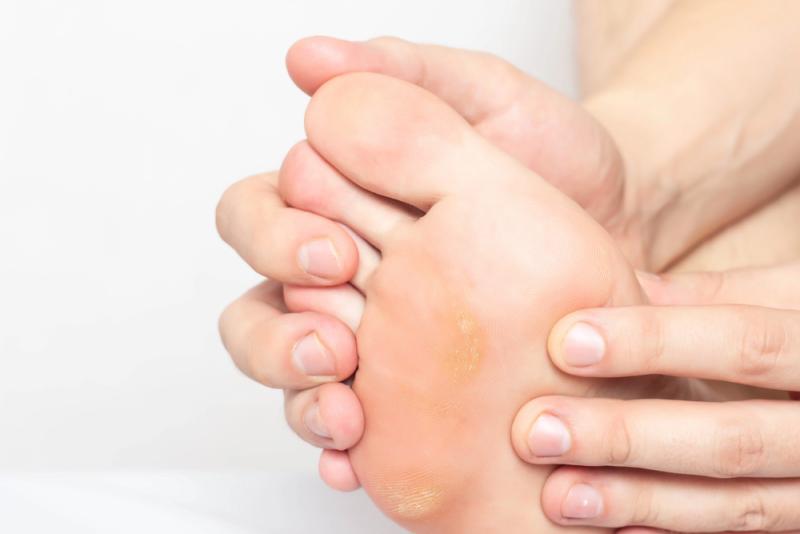
Corns are one of the most common foot ailments that people experience, causing discomfort and sometimes significant pain. These small, hardened areas of skin develop as a protective response to repeated pressure or friction, typically appearing on the toes or the soles of the feet. While corns are generally harmless, they can interfere with daily activities and diminish quality of life. Understanding how to effectively treat and prevent corns is essential for maintaining healthy, comfortable feet.
Understanding What Corns Are
Before addressing treatment methods, it's important to understand what corns actually are. Corns are thickened layers of skin that form when the body attempts to protect underlying tissue from pressure or rubbing. They typically appear as small, round circles of thick skin with a hard center surrounded by inflamed tissue. Hard corns usually develop on the tops or sides of toes, where bones create pressure points against footwear. Soft corns, which have a softer, whitish appearance, form between toes where moisture accumulates. Seed corns are tiny corns that appear on the bottom of the feet.
Immediate Relief Methods
The first step in addressing corns is providing immediate relief from discomfort. Soaking your feet in warm water for ten to fifteen minutes helps soften the hardened skin, making it easier to address. Adding Epsom salt to the water can enhance the soothing effect and help reduce inflammation. After soaking, gently pat your feet dry and apply a moisturizing foot cream to keep the skin supple.
Once the corn is softened, you can carefully use a pumice stone or foot file to reduce the thickened skin. The key word here is "gently"—aggressive rubbing can damage healthy skin and worsen the problem. Work in gentle, circular motions, removing only a small amount of dead skin at a time. This process may need to be repeated over several days or weeks for optimal results. Never attempt to cut or shave a corn with a blade or scissors, as this can lead to infection and injury.
Over-the-Counter Treatments
Pharmacies offer various products specifically designed for corn removal. Medicated corn pads or plasters contain salicylic acid, which gradually dissolves the thickened skin. These products should be applied directly to the corn according to package instructions, typically requiring daily application over one to two weeks. It's crucial to apply these products only to the corn itself, as salicylic acid can damage surrounding healthy skin.
Corn cushions or protective pads provide another effective option. These donut-shaped cushions surround the corn without touching it directly, redistributing pressure away from the affected area. This allows the corn to heal naturally while preventing further irritation. These cushions are particularly useful for people who must remain active while treating their corns.
Addressing the Root Cause
Treating existing corns is only half the battle; preventing new ones requires addressing underlying causes. The most common culprit is ill-fitting footwear. Shoes that are too tight create pressure points, while shoes that are too loose allow the foot to slide, causing friction. Invest in properly fitted shoes with adequate toe room and good arch support. The toe box should allow your toes to move freely without cramping. Consider having your feet professionally measured, as foot size can change over time.
High heels and shoes with pointed toes are particularly problematic, as they force toes into unnatural positions and concentrate pressure on small areas. If you must wear such shoes, limit the duration and alternate with more comfortable footwear throughout the day. Always wear socks or hosiery that fit well without bunching or creating wrinkles, which can increase friction.
When to Seek Professional Help
While many corns respond well to home treatment, certain situations warrant professional medical attention. If you have diabetes, poor circulation, or neuropathy, you should consult a podiatrist before attempting self-treatment, as these conditions increase the risk of complications from foot problems. Signs of infection—including redness spreading beyond the corn, warmth, swelling, or discharge—require immediate medical evaluation.
A podiatrist can safely remove stubborn corns using specialized instruments and may prescribe stronger medications if necessary. They can also identify and address biomechanical issues contributing to corn formation, such as abnormal foot structure or gait problems. Custom orthotics or shoe modifications may be recommended to redistribute pressure and prevent recurrence.
Long-Term Prevention Strategies
Maintaining healthy feet requires ongoing attention. Keep your feet clean and well-moisturized to prevent skin from becoming dry and prone to thickening. Trim toenails regularly and straight across to prevent them from contributing to pressure problems. Inspect your feet daily for early signs of corn development, as addressing issues early makes treatment much easier.
Regular exercise and maintaining a healthy weight reduce the overall stress placed on your feet. If you spend long hours standing or walking, take breaks when possible and consider using cushioned insoles for additional support and shock absorption.
Getting rid of corns permanently requires a combination of immediate treatment, addressing underlying causes, and implementing preventive measures. With patience and consistent care, most corns can be successfully treated at home. The key is gentle, persistent treatment combined with proper footwear and foot care habits. By understanding what causes corns and taking proactive steps to prevent them, you can maintain comfortable, healthy feet and avoid the pain and inconvenience these common foot problems create.
Post Your Ad Here
Comments