How to Fix a Tailor's Bunion
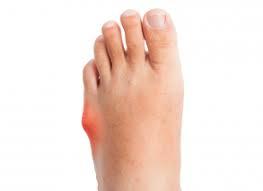
A tailor's bunion, medically known as a bunionette, is a painful bony prominence that develops on the outside of the foot at the base of the fifth toe. Unlike its more famous cousin—the traditional bunion that forms on the big toe—this condition earned its name from tailors who historically sat cross-legged while working, placing pressure on the outer edge of their feet. Today, tailor's bunions affect people from all walks of life, causing discomfort that can significantly impact daily activities. Understanding how to address this condition requires knowledge of both conservative treatments and, when necessary, surgical interventions.
Understanding the Problem
Before exploring treatment options, it's essential to understand what causes a tailor's bunion. The condition develops when the fifth metatarsal bone—the long bone connected to the little toe—begins to protrude outward while the little toe angles inward. This can result from several factors: genetic predisposition to foot structure abnormalities, wearing narrow or tight shoes that compress the toes, biomechanical issues affecting how you walk, or simply the natural aging process that affects foot structure over time. The prominence creates friction against footwear, leading to inflammation, redness, swelling, and pain that can make walking uncomfortable or even unbearable.
Conservative Treatment Approaches
For most people with tailor's bunions, non-surgical treatments provide significant relief and should always be the first line of defense. These conservative approaches focus on reducing pressure, alleviating pain, and preventing the condition from worsening.
Footwear Modifications
The single most important change you can make is selecting appropriate footwear. Choose shoes with a wide toe box that doesn't compress your toes together. Avoid high heels and pointed-toe shoes, which force the toes into unnatural positions and increase pressure on the bunionette. Look for shoes made from soft, flexible materials that accommodate the bony prominence rather than rubbing against it. Many people find that athletic shoes or shoes specifically designed for wider feet provide excellent relief.
Padding and Orthotics
Protective padding can create a barrier between the bunionette and your shoe, reducing friction and pressure. Gel pads, moleskin, or specialized bunionette cushions available at pharmacies can be placed over the affected area. Additionally, custom orthotic inserts prescribed by a podiatrist can help correct biomechanical issues that contribute to the problem. These devices redistribute pressure across your foot more evenly and may help slow the progression of the deformity.
Ice and Anti-Inflammatory Medications
When your tailor's bunion becomes inflamed and painful, applying ice for 15-20 minutes several times daily can reduce swelling and provide relief. Over-the-counter anti-inflammatory medications like ibuprofen or naproxen can also help manage pain and inflammation. However, these should be used as directed and not relied upon as a long-term solution without consulting a healthcare provider.
Physical Therapy and Exercises
A physical therapist can teach you exercises to strengthen the muscles in your feet and improve flexibility. Toe stretches, spreading exercises, and resistance training can help maintain proper foot alignment. Additionally, addressing any gait abnormalities through physical therapy may reduce the stress placed on the fifth metatarsal bone.
When Conservative Treatment Isn't Enough
If conservative measures fail to provide adequate relief after several months, or if the bunionette significantly interferes with your quality of life, it may be time to consider surgical intervention. Surgery becomes particularly relevant when pain persists despite appropriate footwear and other treatments, when the deformity progressively worsens, or when the bunionette prevents you from participating in desired activities.
Surgical Options
Several surgical procedures can address tailor's bunions, and the choice depends on the severity of the deformity and the underlying cause. A podiatrist or orthopedic surgeon specializing in foot and ankle surgery can determine the most appropriate approach for your specific situation.
Exostectomy
This relatively simple procedure involves shaving down the bony prominence without realigning the bone. It's typically reserved for mild cases where the bunionette is primarily caused by excess bone growth rather than angular deformity. The surgeon removes the protruding bone, creating a smoother contour along the side of the foot.
Osteotomy
For more significant deformities, an osteotomy—a surgical cutting and realignment of the bone—may be necessary. The surgeon cuts the fifth metatarsal bone and repositions it to reduce the outward angle, then secures it with pins, screws, or plates while it heals. This procedure addresses the underlying structural problem rather than just the symptom.
Recovery and Rehabilitation
Surgical recovery typically requires several weeks of limited weight-bearing, often with the use of a surgical boot or cast. Physical therapy may be necessary to restore strength and mobility. Full recovery can take several months, and patients must commit to wearing appropriate footwear post-surgery to prevent recurrence.
Prevention Strategies
Whether you're dealing with an existing tailor's bunion or hoping to prevent one from developing, certain strategies can protect your foot health. Always prioritize properly fitting shoes over fashion, especially for daily wear. If your job requires prolonged standing or walking, invest in high-quality, supportive footwear. Maintain a healthy weight to reduce pressure on your feet, and address any foot pain early rather than allowing problems to worsen over time.
Fixing a tailor's bunion requires a patient, methodical approach beginning with conservative treatments and progressing to surgery only when necessary. Most people find relief through footwear modifications, padding, orthotics, and other non-invasive measures. However, for those with persistent pain or progressive deformity, surgical options can provide lasting correction. The key is working with qualified healthcare providers to develop a treatment plan tailored to your specific needs, severity of condition, and lifestyle requirements. With proper care and attention, you can manage or eliminate the pain associated with tailor's bunions and return to comfortable, active living.

Post Your Ad Here
Comments