The Therapeutic Use of Heel Lifts in Podiatric Treatment
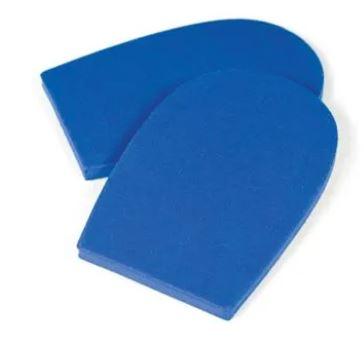
Heel lifts, also known as heel raises or shoe inserts, are simple yet remarkably effective orthotic devices used extensively in podiatric medicine to address a wide range of foot, ankle, and lower limb conditions. These unassuming additions to footwear—typically constructed from materials such as cork, rubber, foam, or silicone—serve multiple therapeutic purposes by altering biomechanics, redistributing pressure, and compensating for structural abnormalities. Understanding when and how to implement heel lifts appropriately can make a significant difference in patient outcomes and quality of life.
Fundamental Mechanisms of Action
The primary function of heel lifts involves elevating the heel relative to the forefoot, which creates several biomechanical effects throughout the lower extremity. By raising the heel, these devices reduce tension on the Achilles tendon and calf muscles, decrease dorsiflexion requirements at the ankle joint, and modify the loading patterns across the foot's plantar surface. This seemingly simple adjustment can cascade into therapeutic benefits extending from the foot itself up through the ankle, knee, hip, and even the lower back.
When a heel lift is inserted into footwear, it effectively shortens the functional length of the gastrocnemius and soleus muscles, reducing the stretch these tissues experience during weight-bearing activities. This mechanical advantage proves particularly valuable in conditions where these structures are inflamed, injured, or excessively tight. Additionally, heel lifts alter the angle of the subtalar joint and modify pronation patterns, which can influence overall foot function and stability.
Clinical Applications and Conditions Treated
Achilles tendinopathy represents one of the most common indications for heel lift therapy. Whether dealing with insertional tendinopathy at the heel bone attachment or mid-portion tendinopathy along the tendon's length, elevating the heel reduces tensile stress on the compromised tissue. This mechanical unloading allows the inflammatory process to settle and provides an environment more conducive to healing. Patients often report significant pain reduction within days of implementing appropriate heel lifts, though the devices should be used as part of a comprehensive treatment plan including eccentric strengthening exercises and activity modification.
Plantar fasciitis, characterized by heel pain particularly pronounced with the first steps of the morning, also responds favorably to heel lift intervention in many cases. By elevating the heel, lifts reduce the stretch on the plantar fascia and decrease the windlass mechanism's strain during push-off phases of gait. This can provide symptomatic relief while other treatments such as stretching, strengthening, and manual therapy address the underlying causes.
Leg length discrepancies, whether structural or functional, represent another important application for heel lifts. When one leg measures shorter than the other—even by relatively small amounts of five to ten millimeters—compensatory patterns emerge throughout the kinetic chain. These compensations can lead to hip pain, low back discomfort, knee problems, and foot dysfunction. Heel lifts placed in the shoe of the shorter limb help level the pelvis, normalize gait patterns, and reduce compensatory stress throughout the body.
Patients recovering from ankle sprains, particularly those affecting the posterior structures, benefit from temporary heel lift use during the healing phase. The elevated position reduces stress on healing ligaments and allows for more comfortable weight-bearing during rehabilitation. Similarly, individuals with calf muscle strains or tears can use heel lifts to protect healing tissue while gradually progressing back to normal function.
Certain nerve conditions, particularly those affecting the posterior tibial nerve or causing tarsal tunnel syndrome, may improve with heel lift intervention. By altering foot position and reducing certain movements that compress neural structures, lifts can decrease nerve irritation and associated symptoms such as burning, tingling, or numbness.
Implementation Considerations and Protocols
Successful heel lift therapy requires careful consideration of lift height, material properties, and implementation strategy. Lifts typically range from three millimeters for subtle adjustments up to twenty millimeters or more for significant leg length discrepancies. The choice of height depends on the specific condition being treated, patient tolerance, and footwear constraints.
Material selection influences both effectiveness and patient comfort. Firmer materials like cork or rigid rubber provide more durable support and maintain their height under body weight, making them suitable for active individuals or those requiring long-term correction. Softer materials such as foam or gel offer superior shock absorption and initial comfort but may compress over time, necessitating more frequent replacement.
For conditions like Achilles tendinopathy or plantar fasciitis, practitioners often recommend bilateral heel lifts even when symptoms affect only one side. This approach maintains level hips and prevents the introduction of a functional leg length discrepancy. Starting heights typically range from six to twelve millimeters, with gradual weaning as symptoms improve and tissue healing progresses.
When addressing true leg length discrepancies, the approach differs significantly. Lifts are placed only in the shoe of the shorter limb, and the correction height may not fully compensate for the measured discrepancy. Many practitioners correct only fifty to seventy-five percent of discrepancies exceeding ten millimeters, as full correction can sometimes feel uncomfortable for patients who have adapted to their asymmetry over many years.
Limitations and Complementary Approaches
While heel lifts offer valuable therapeutic benefits, they should rarely constitute the sole treatment for foot and lower limb conditions. These devices work best when integrated into comprehensive treatment plans that may include physical therapy, stretching protocols, strengthening exercises, manual therapy, and activity modification. Heel lifts address symptoms and modify mechanics, but underlying factors such as muscle weakness, flexibility deficits, or training errors must also be addressed for optimal outcomes.
Patients must also understand that heel lifts represent a tool for specific situations rather than a permanent solution for most conditions. Excessive reliance on lifts without addressing underlying issues can lead to adaptive shortening of calf muscles and decreased ankle mobility. Gradual weaning protocols should accompany tissue healing and functional improvement.
Heel lifts exemplify the principle that simple interventions can produce profound therapeutic effects when applied intelligently. By understanding the biomechanical principles underlying their function and recognizing appropriate clinical applications, healthcare providers can effectively utilize these devices to reduce pain, facilitate healing, and improve function across numerous foot and lower extremity conditions. Whether managing acute injuries, chronic overuse conditions, or structural abnormalities, heel lifts deserve consideration as valuable components of comprehensive podiatric treatment strategies.

Post Your Ad Here
Comments