Treatment Options for Painful Hammer Toe
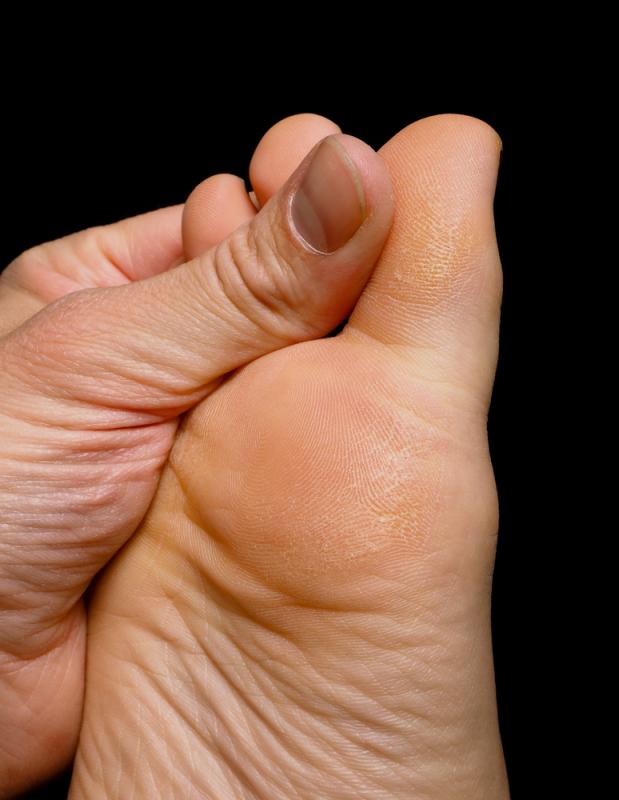
Hammer toe is a common foot deformity characterized by an abnormal bend in the middle joint of a toe, most frequently affecting the second, third, or fourth toe. This condition causes the toe to resemble a hammer, hence its name. When hammer toe becomes painful, it can significantly impact mobility and quality of life, making effective treatment essential. Understanding the range of available treatment options—from conservative approaches to surgical interventions—enables patients and healthcare providers to develop appropriate management strategies tailored to individual needs.
Conservative Treatment Approaches
The first line of treatment for painful hammer toe typically involves non-surgical methods, particularly when the deformity remains flexible. These conservative approaches aim to relieve pain, reduce pressure on the affected toe, and prevent further progression of the condition.
Footwear Modifications
Proper footwear represents one of the most crucial elements in managing hammer toe discomfort. Shoes with a wide, deep toe box provide adequate space for the toes, reducing friction and pressure on the raised joint. Patients should avoid narrow, pointed shoes and high heels that force toes into cramped positions. The ideal shoe features a low heel (no more than two inches), soft materials, and sufficient length to prevent the toes from being pushed forward. Many individuals find relief simply by switching to more appropriate footwear, making this an essential first step in treatment.
Padding and Orthotic Devices
Various padding products and orthotic devices can provide significant relief from hammer toe pain (eg hammer toe corrector). Corn pads or cushions placed over the affected joint protect it from rubbing against shoes, while toe sleeves offer circumferential cushioning. Gel toe caps and toe crests can help reposition the toe and redistribute pressure. Custom or over-the-counter arch supports may address underlying biomechanical issues contributing to the deformity, such as flat feet or high arches. These devices work by improving foot alignment and reducing abnormal forces on the toes during walking and standing.
Exercises and Stretching
Therapeutic exercises play an important role in maintaining toe flexibility and strengthening the muscles that control toe movement. Toe stretches, performed by gently pulling the bent toe into a straight position and holding for several seconds, can help maintain range of motion. Towel curls, where patients use their toes to scrunch up a towel placed on the floor, strengthen the toe muscles. Marble pickups and similar exercises improve dexterity and muscle function. While these exercises cannot reverse a rigid hammer toe deformity, they can prevent worsening in flexible cases and maintain function.
Medication for Pain Management
Non-steroidal anti-inflammatory drugs (NSAIDs) such as ibuprofen or naproxen can help reduce pain and inflammation associated with hammer toe. These medications are particularly useful during flare-ups when the joint becomes especially painful or when corns and calluses develop. Topical analgesic creams may also provide localized relief. However, medication addresses symptoms rather than the underlying structural problem and should be used as part of a comprehensive treatment approach rather than as a standalone solution.
Corn and Callus Care
Painful corns and calluses frequently develop on hammer toes due to repeated friction and pressure. Regular removal of this thickened skin by a podiatrist or healthcare professional can significantly reduce discomfort. Patients should never attempt to cut corns or calluses themselves, as this can lead to infection, particularly in individuals with diabetes or circulatory problems. Healthcare providers may use specialized instruments to safely debride the lesions. Following removal, protective padding helps prevent recurrence.
Surgical Treatment Options
When conservative treatments fail to provide adequate relief, or when the hammer toe has become rigid and non-reducible, surgical intervention may be necessary. Several surgical procedures exist, with the choice depending on the severity of the deformity, whether it is flexible or rigid, and the patient's overall health status.
Arthroplasty
Arthroplasty involves removing a small portion of bone from the affected joint to straighten the toe. The surgeon removes part of the proximal phalanx (the bone closest to the foot) at the contracted joint, allowing the toe to lie flat. This procedure is commonly performed for rigid hammer toes and typically provides good pain relief. Recovery involves wearing a surgical shoe for several weeks, with return to normal footwear occurring gradually.
Arthrodesis (Joint Fusion)
In cases of severe, rigid hammer toe deformity, arthrodesis may be recommended. This procedure involves removing the joint surfaces and fusing the bones together using pins, screws, or other fixation devices. While this eliminates joint motion, it effectively straightens the toe and resolves pain. The toe heals in a straightened position over several weeks. This approach is particularly suitable for patients with arthritis in the toe joint or those requiring maximum stability.
Tendon Transfer
For flexible hammer toes, tendon transfer surgery may be performed. This procedure involves rerouting tendons that have become imbalanced, using the tendon that pulls the toe downward to help pull it upward instead. This restores more normal muscle balance and can correct the deformity while preserving joint motion. Tendon transfer is often combined with soft tissue releases to achieve optimal results.
Post-Surgical Care and Recovery
Regardless of the specific surgical technique employed, proper post-operative care is essential for successful outcomes. Patients typically need to keep weight off the affected foot initially, gradually progressing to bearing weight in a surgical shoe. Swelling management through elevation and ice application is important. Physical therapy may be recommended to restore strength and mobility. Complete recovery usually takes several months, though most patients can return to normal activities much sooner.
Conclusion
Treatment for painful hammer toe ranges from simple conservative measures to sophisticated surgical interventions. The appropriate approach depends on multiple factors including the severity and flexibility of the deformity, the degree of pain and functional limitation, and the patient's overall health and lifestyle. Most patients benefit from trying conservative treatments first, as these methods provide relief for many individuals while avoiding surgical risks. However, when conservative measures prove insufficient, modern surgical techniques offer effective solutions that can eliminate pain and restore function. Working closely with a podiatrist or orthopedic specialist ensures that patients receive individualized treatment plans that address their specific needs and optimize outcomes.
Post Your Ad Here
Comments