Carbon Fiber Insoles in the Treatment of Hallux Rigidus
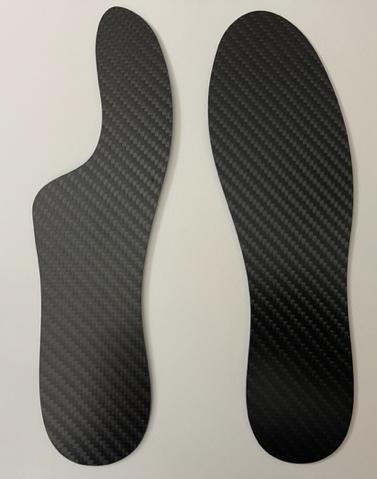
Hallux rigidus represents one of the most common arthritic conditions affecting the foot, characterized by progressive degeneration and stiffness of the first metatarsophalangeal (MTP) joint. This debilitating condition causes pain, limited range of motion, and significant functional impairment during walking and other weight-bearing activities. While surgical intervention remains an option for advanced cases, conservative management strategies have gained considerable attention for their ability to provide symptomatic relief and delay or prevent the need for surgery. Among these conservative approaches, carbon fiber insoles have emerged as a particularly promising intervention, offering mechanical support that addresses the fundamental biomechanical dysfunction underlying hallux rigidus.
The pathophysiology of hallux rigidus involves degenerative changes to the articular cartilage of the first MTP joint, often accompanied by osteophyte formation and synovitis. During normal gait, the great toe must dorsiflex approximately 65 to 75 degrees during the terminal stance and propulsive phases of walking. This dorsiflexion is essential for efficient push-off and forward progression. In patients with hallux rigidus, this motion becomes painful and restricted, forcing compensatory movement patterns that can lead to additional problems throughout the lower extremity. The primary goal of conservative treatment is to reduce pain by limiting motion at the affected joint while maintaining functional ambulation.
Carbon fiber insoles, also known as carbon fiber plates or orthotic devices, work by providing rigid support beneath the forefoot, effectively limiting dorsiflexion of the first MTP joint during gait. The material properties of carbon fiber make it ideally suited for this application. Carbon fiber composites offer exceptional strength-to-weight ratios, allowing the creation of thin, lightweight devices that can fit easily into standard footwear while providing the necessary rigidity to restrict joint motion. Unlike traditional steel shanks or other materials that might be used for similar purposes, carbon fiber plates can be precisely engineered to provide the optimal balance between rigidity and flexibility, and they resist fatigue and degradation over extended periods of use.
The biomechanical rationale for carbon fiber insoles is straightforward yet elegant. By extending from the heel to beyond the MTP joints, these devices create a rigid lever arm that prevents or significantly reduces dorsiflexion of the great toe during the propulsive phase of gait. This restriction of motion directly addresses the painful arc of movement that characterizes hallux rigidus. Rather than forcing the arthritic joint through its painful range of motion with each step, the carbon fiber plate allows the patient to roll over the forefoot without excessive bending at the first MTP joint. This modification of the normal gait pattern, while representing a compromise from physiologic motion, can provide substantial pain relief and functional improvement.
Clinical studies have demonstrated the efficacy of carbon fiber insoles in managing hallux rigidus symptoms. Patients typically report significant reductions in pain levels, particularly during walking and other activities that require toe dorsiflexion. The immediate nature of the relief is particularly notable—many patients experience symptomatic improvement within days of beginning to use the devices. This rapid response contrasts favorably with other conservative interventions that may require weeks or months to demonstrate benefits. Additionally, carbon fiber insoles are associated with minimal adverse effects, making them an attractive first-line treatment option for many patients.
The prescription and fitting of carbon fiber insoles require careful consideration of several factors. The rigidity of the device must be matched to the patient's weight, activity level, and degree of joint involvement. Insufficient rigidity will fail to adequately restrict joint motion, while excessive rigidity may create uncomfortable pressure points or alter gait mechanics in undesirable ways. The longitudinal extent of the plate is also important—it must extend sufficiently far forward to effectively limit MTP joint motion but not so far as to create discomfort at the toes. Many practitioners prefer custom-fabricated devices that can be precisely tailored to individual patient anatomy and pathology, though pre-fabricated options are available and may be appropriate for some patients.
Footwear selection plays a crucial role in the success of carbon fiber insole therapy. The shoes must have adequate depth to accommodate the insole without creating excessive pressure on the dorsum of the foot. A sole with some degree of rocker bottom geometry can complement the function of the carbon fiber plate, further facilitating the roll-over motion during gait. Shoes with excessive flexibility or those that require significant toe dorsiflexion, such as high heels, are generally incompatible with carbon fiber insole therapy and should be avoided by patients with hallux rigidus.
While carbon fiber insoles represent an effective conservative treatment, they should be viewed as part of a comprehensive management strategy rather than an isolated intervention. Appropriate footwear modifications, activity modification, anti-inflammatory medications, and periodic intra-articular corticosteroid injections may all play complementary roles in managing hallux rigidus. Physical therapy interventions, particularly those aimed at maintaining available joint range of motion and strengthening the intrinsic muscles of the foot, can also be beneficial. The carbon fiber insole serves as the mechanical foundation of treatment, but optimal outcomes often require a multimodal approach.
It is important to recognize the limitations of carbon fiber insole therapy. While many patients experience substantial and sustained improvement, the underlying degenerative process continues, and some patients will eventually require surgical intervention despite appropriate conservative management. Carbon fiber insoles are most effective in early to moderate stages of hallux rigidus and may provide insufficient relief in advanced cases with severe joint destruction. Additionally, the alteration of normal gait mechanics, while therapeutic for the first MTP joint, may theoretically increase stress on other joints and structures of the lower extremity, though clinically significant problems from this mechanism appear to be uncommon.
Carbon fiber insoles represent a valuable tool in the conservative management of painful hallux rigidus. By providing rigid support that limits painful motion at the first MTP joint, these devices offer significant symptomatic relief for many patients while avoiding the risks, costs, and recovery time associated with surgical intervention. Their favorable material properties, relatively low cost, and minimal side effect profile make them an excellent first-line treatment option that should be considered for most patients with symptomatic hallux rigidus.

Post Your Ad Here
Comments