From Chaos to Control: How Lockout Tagout Stations Improve Safety Response
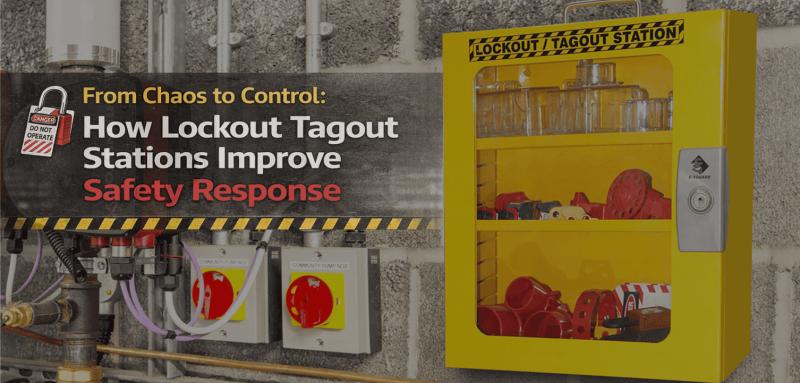
Industrial environments rely heavily on efficient
maintenance practices to keep operations running safely and smoothly. However,
without proper organization of safety tools, even well-designed procedures can
fail under pressure.
Lockout Tagout stations play a critical role in transforming hazardous, unstructured
maintenance activities into controlled, compliant, and accountable safety
responses. By centralizing energy-control devices, LOTO stations bring clarity,
speed, and discipline to industrial safety programs.
When Safety Systems Lack Structure:
Maintenance and repair work often involve exposure
to multiple energy sources such as electrical, mechanical, hydraulic, and
pneumatic systems. In facilities without a centralized lockout system, workers
may waste valuable time searching for padlocks, tags, or isolation devices.
This disorganization can lead to inconsistent lockout practices, delayed
shutdowns, and increased risk of accidental equipment energization.
A lack of structure not only compromises worker
safety but also disrupts productivity. During emergency shutdowns or unplanned
maintenance, the absence of a reliable system can turn a manageable situation
into a dangerous one.
Understanding Lockout Tagout Stations:
A Lockout Tagout station is a designated, clearly
marked area that stores all essential LOTO devices in
one accessible location. These stations support hazardous energy control by
ensuring that authorized employees have immediate access to the tools required
to isolate equipment safely.
LOTO stations typically serve as the physical
backbone of a facility’s energy control program. By standardizing how and where
safety devices are stored, they promote consistent application of lockout
procedures across departments and shifts.
The Risk of Operating Without Organized LOTO Systems:
Facilities that rely on scattered or improvised
storage for lockout devices face several challenges:
- Lockout devices may be unavailable when needed
- Workers may skip steps due to time pressure
- Inconsistent lockout practices may develop
- Accountability becomes difficult to track
- Compliance audits reveal gaps in safety management
These issues often stem from the absence of a
centralized system that reinforces correct behavior and procedure.
How LOTO Stations Restore Control?
LOTO stations bring order to safety response by
centralizing critical devices and information. When lockout tools are clearly
organized and visibly available, workers can respond quickly and confidently
during both routine and emergency situations.
By reducing confusion and eliminating delays, LockoutTagout stations help ensure that energy isolation is performed
correctly the first time. This structured approach minimizes human error and
reinforces compliance with established safety protocols.
Key Components of an Effective LOTO Station:
A well-designed Lockout Tagout station typically
includes:
- Safety padlocks with clear identification
- Lockout devices for valves, circuit breakers, plugs, and switches
- Lockout hasps for group lockout applications
- Durable lockout tags and safety signage
- Written procedures or instructions
- Registers or logs for tracking lock usage
Together, these components create a complete and
reliable safety solution.
Faster and Safer Maintenance Response:
During maintenance or emergency shutdowns, time is
critical. LOTO stations enable faster isolation of hazardous energy by
eliminating guesswork and delays. Workers know exactly where to find the
required devices, and supervisors can quickly verify that proper lockout
procedures are being followed.
This efficiency not only improves safety but also
reduces downtime, allowing operations to resume faster once work is completed
safely.
Driving Accountability and Compliance:
One of the most significant benefits ofLOTO stations is improved accountability. By assigning individual
padlocks and standardizing device usage, facilities ensure that each worker is
responsible for their own safety actions.
LOTO stations also support compliance with
regulatory standards such as OSHA and international safety guidelines.
Organized systems make audits easier, demonstrate due diligence, and provide
documented evidence of a facility’s commitment to worker protection.
Industries That Benefit Most:
Lockout Tagout stations are widely used across high-risk industries, including:
- Manufacturing and automotive plants
- Power generation and utilities
- Oil, gas, and chemical processing
- Food and beverage production
- Pharmaceutical and healthcare manufacturing
In these environments, controlled energy isolation
is essential to preventing serious injuries and equipment damage.
Best Practices for Implementing LOTO Stations:
To maximize effectiveness, organizations should follow best practices such as:
- Placing stations near high-risk or frequently serviced equipment
- Standardizing station layouts across facilities
- Training employees on proper LOTO station usage
- Conducting regular inspections and restocking
- Integrating stations into formal safety procedures
Consistent use and maintenance ensure long-term
success.
Building a Proactive Safety Culture:
LOTO stations do more than
store devices - they reinforce a culture of discipline and responsibility.
Visual organization and easy access encourage employees to follow procedures
without shortcuts. Over time, this structured approach builds confidence,
trust, and a shared commitment to safety at every level of the organization.
Conclusion: Turning Safety Chaos into Control
In industrial settings, safety depends on both
procedures and systems. Lockout Tagout stations bridge the gap between policy
and practice by providing a structured, reliable, and visible solution for
hazardous energy control. By transforming disorganized safety responses into
controlled actions, LOTO stations protect workers, improve compliance, and
support operational efficiency.
In the journey from chaos to control, LockoutTagout stations stand as a cornerstone of modern industrial safety management.

Post Your Ad Here
Comments