The Unsung Hero of LOTO: How Lockout Padlocks Protect Lives
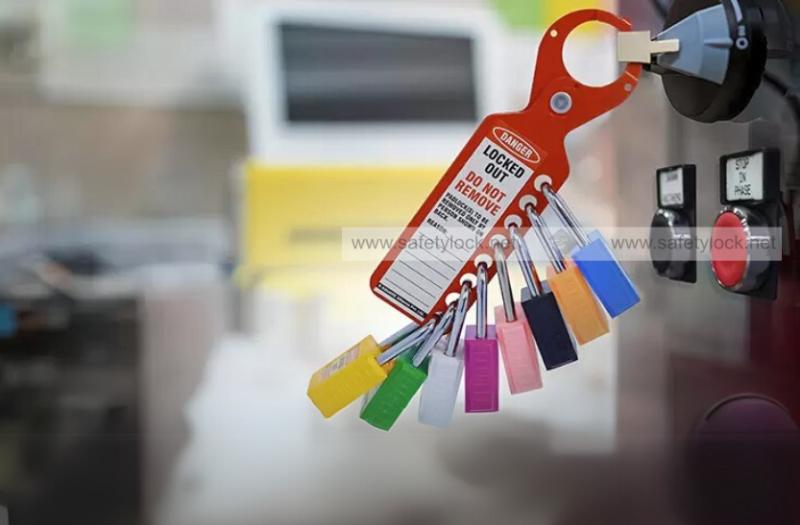
In the world of industrial safety, Lockout Tagout
procedures are the gold standard for protecting workers from hazardous energy
during maintenance and servicing. These protocols are designed to prevent
accidental startup of machinery, ensuring that equipment remains safely
de-energized until work is complete.
While LOTO systems include a variety of devices -
valve lockouts, circuit breaker lockouts, tags, and hasps - there’s one
component that quietly carries the weight of life-saving responsibility: the lockout
padlock.
Often underestimated, the padlock is the final
barrier between a worker and potential harm. It’s not just a tool - it’s a
symbol of trust, ownership, and accountability. And when chosen wisely, it
becomes the unsung hero of every successful LOTO operation.
Padlocks: The Heart of LOTO
At its core, a lockout padlock is a personal safety
device. Each padlock is assigned to an individual worker, who applies it to
isolate energy sources before beginning maintenance. The presence of that padlock
signals to everyone: “Someone’s life depends on this lock staying in place.”
Unlike generic locks, LOTO padlocks are
designed with specific safety features - non-conductive materials, corrosion
resistance, unique keying systems, and clear identification. These features
ensure that the padlock not only secures the equipment but also communicates
critical information about who applied it and why.
Among the many options available, E-Square Lockout
Padlocks have earned recognition for their reliability and worker-centric
design. Built to withstand industrial environments and tailored for diverse
applications, they offer safety managers peace of mind and workers a sense of
personal protection.
What Makes a Padlock Effective?
To truly protect worker’s lives and support efficient LOTO execution, padlocks must meet several key criteria:
· Material Integrity: Non-conductive nylon or composite bodies are essential for electrical lockouts, while stainless steel or aluminum may be preferred for mechanical or outdoor applications.
· Color Coding: Assigning colors to departments, shifts, or roles helps teams quickly identify ownership and avoid confusion.
· Keying Systems: Options like keyed different (each padlock has a unique key), keyed alike (multiple padlocks share a key), and master key systems (supervisors can override) allow for flexible control.
· Identification: Engraving, labeling, or QR codes help trace padlocks to individuals or teams, reinforcing accountability.
·
Ergonomics: Lightweight, easy-to-handle designs
encourage proper use, especially during frequent lockout tasks.
Common Pitfalls That Undermine Padlock Safety
Even with the best intentions, padlock misuse can
compromise safety:
·
Reusing padlocks across shifts or departments
·
Applying padlocks without clear identification
·
Using non-compliant or generic locks
·
Failing to audit padlock condition and usage
These mistakes can lead to delays, confusion, and
worst of all - accidents. Organizations must treat padlocks as critical safety
equipment, not just hardware.
Best Practices for Padlock Use
To maximize LOTO efficiency and reinforce safety
culture:
·
Assign padlocks to individuals and prohibit sharing
·
Standardize padlock formats across departments
·
Integrate padlocks into LOTO stations and kits
·
Train teams on proper application and removal
protocols
·
Conduct regular audits and replace worn or damaged
padlocks
These practices ensure that padlocks remain
effective, respected, and aligned with compliance standards.
Building a Culture of Ownership:
Lockout Tagout is
more than a procedure - it’s a mindset. When workers see their name or
department on a padlock, they feel ownership. When padlocks are standardized
and respected, safety becomes a shared responsibility.
E-Square’s padlocks are more than devices - they’re
trust anchors. They reinforce a culture where every lockout is a promise to
protect, and every padlock is a personal commitment to safety.
Conclusion: Small Device, Big Impact
In the hierarchy of safety tools, the lockout padlock may seem small - but its impact is enormous. It protects
lives, prevents accidents, and fosters a culture of accountability. By choosing
padlocks that are tailored to operational needs and built for compliance,
organizations elevate their LOTO systems from procedural to personal.
Because in safety, it’s not just about locking out
energy - it’s about locking in trust.

Post Your Ad Here
Comments