Critical Warnings: Understanding the Role of Safety Tags in Workplace Safety
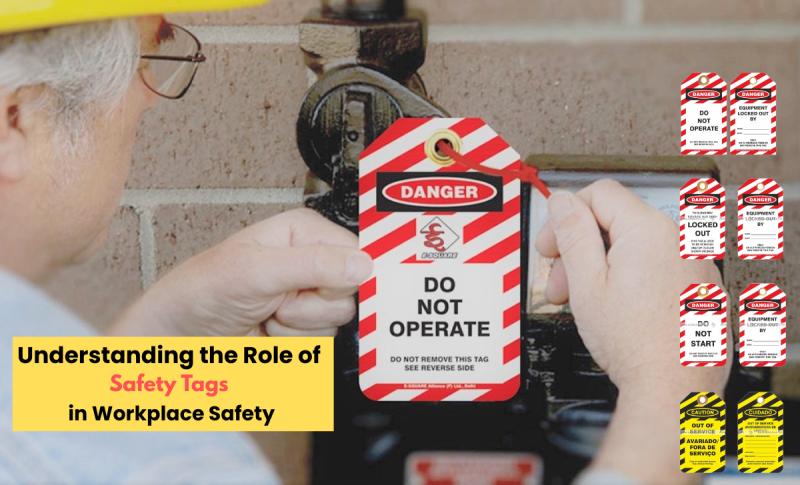
In industrial environments where heavy machinery,
electrical equipment, and pressurized systems operate every day, effective
communication is essential for keeping workers safe. Maintenance and repair
tasks bring an added layer of risk, as the unexpected startup of equipment can
result in serious injuries or even fatalities.
Ensuring that everyone on the shop floor knows when
a machine is isolated is a critical part of safety - this is where Lockout
Safety Tags play a vital role. As silent yet powerful warning tools, safety
tags strengthen workplace communication and help prevent life-threatening
mistakes.
What are Lockout Safety Tags?
Lockout
safety tags are high-visibility warning labels attached to machinery or
energy-isolation points to alert workers that equipment is under maintenance
and must not be operated. Unlike lockout devices -
which physically stop equipment from being energized - safety tags serve as
visual communication tools.
They typically feature bold colors, durable
materials, and clear text with warnings such as “Do Not Operate” or “Danger -
Locked Out.”
Made from tear-resistant, weatherproof materials
like PVC or polyester, these tags are built to withstand harsh industrial
environments, outdoor conditions, and chemical exposure.
Why Safety Tags are Essential in LOTO Procedures?
In a Lockout Tagout system, both LOTO padlock and tags work together to ensure safe energy isolation.
While locks secure the energy source, tags communicate critical information to
everyone on site.
Safety tags help:
- Prevent accidental energization by warning that maintenance is in
progress.
- Reduce confusion by clearly identifying who applied the lockout and
why.
- Support OSHA compliance, which mandates appropriate tagging in LOTO
programs.
- Promote accountability, ensuring only authorized personnel restore
equipment.
Without proper tagging, even a correctly locked-Out
machine can present risks due to miscommunication.
Key Features of Effective Safety Tags:
An effective lockout safety tag must be more than a
piece of paper with writing. It must communicate clearly, withstand tough
conditions, and stay securely attached.
Key features include:
- High-visibility colors like red, yellow, and white with bold warnings.
- Durable, tear-resistant materials designed for industrial
environments.
- Weatherproof and chemical-resistant surfaces that maintain
legibility.
- Reinforced grommets to prevent detachment from locks or equipment.
- Custom fields for employee names, departments, dates, and remarks.
These features ensure safety tags deliver reliable
communication throughout the entire maintenance cycle.
Types of Lockout Safety Tags:
Different maintenance situations call for differenttypes of safety tags. Common options include:
Danger Tags - Used for immediate hazards
requiring strict prohibition.
Do Not Operate Tags -
Indicate that equipment is locked out for servicing.
Warning Tags - Used when hazards exist but
are not immediately life-threatening.
Equipment-Specific Tags -
Electrical, mechanical, hydraulic, or valve-related.
Multilingual Tags - Essential for facilities with
diverse workforces.
Pictogram Tags - Provide universal
understanding without language barriers.
Having a variety of tag types ensures comprehensive
coverage for all isolation points.
How Safety Tags Improve Workplace Communication?
Clear and standardized communication is essential
in busy industrial environments. Safety tags create a visual language of
warnings, ensuring that all employees - operators, supervisors, technicians -
understand the status of equipment at a glance.
They help:
- Prevent accidental operation by clearly displaying maintenance
status.
- Notify workers of ongoing tasks even when the responsible
technician is not present.
- Improve coordination between teams during multi-shift operations.
- Minimize human error by serving as constant reminders.
Safety tags reduce assumptions and eliminate
uncertainty - two major contributors to workplace accidents.
Common Mistakes to Avoid with Safety Tags:
Even the best tags lose their effectiveness if misused. Common mistakes include:
- Using handwritten tags that fade or smudge.
- Applying worn or damaged tags that are unreadable.
- Leaving tags without names, dates, or authorization details.
- Not attaching tags securely, allowing them to fall off.
Avoiding these mistakes ensures that safety tags
maintain their intended communicative strength.
Best Practices for Using Safety Tags:
To maximize the effectiveness of safety tags:
- Always place tags at every isolation point along with lockout
devices.
- Include detailed information: worker’s name, date, and reason for
lockout.
- Use tamper-resistant fasteners or tie-wraps to secure tags.
- Ensure all employees are trained to respect and never bypass
tagged-out equipment.
- Inspect and replace worn or faded tags regularly.
Best practices ensure that tagging is consistent,
clear, and compliant with safety regulations.
Safety Tags as Part of a Complete LOTO Program:
Safety tags are not stand-alone devices - they
function as part of a larger Lockout Tagout program that
may include padlocks, hasps, valve lockouts, breaker lockouts, and lockout
stations. Proper tagging helps improve audits, documentation, and overall
safety culture. Standardizing tags across departments ensures every worker
understands the visual cues instantly.
Post Your Ad Here
Comments